Sign in or register
for additional privileges

Birth of An Industry: Blackface Minstrelsy and the Rise of American Animation

Nicholas Sammond, Author

You appear to be using an older verion of Internet Explorer. For the best experience please upgrade your IE version or switch to a another web browser.

Labor, Page 102

An essential text for many animators working in the 1920s, Edwin Lutz's Animated Cartoons: How They Are Made, Their Origins and Development (1920) became a how-to manual for young animators such as Ub Iwerks, Walt Disney and Friz Freleng. 
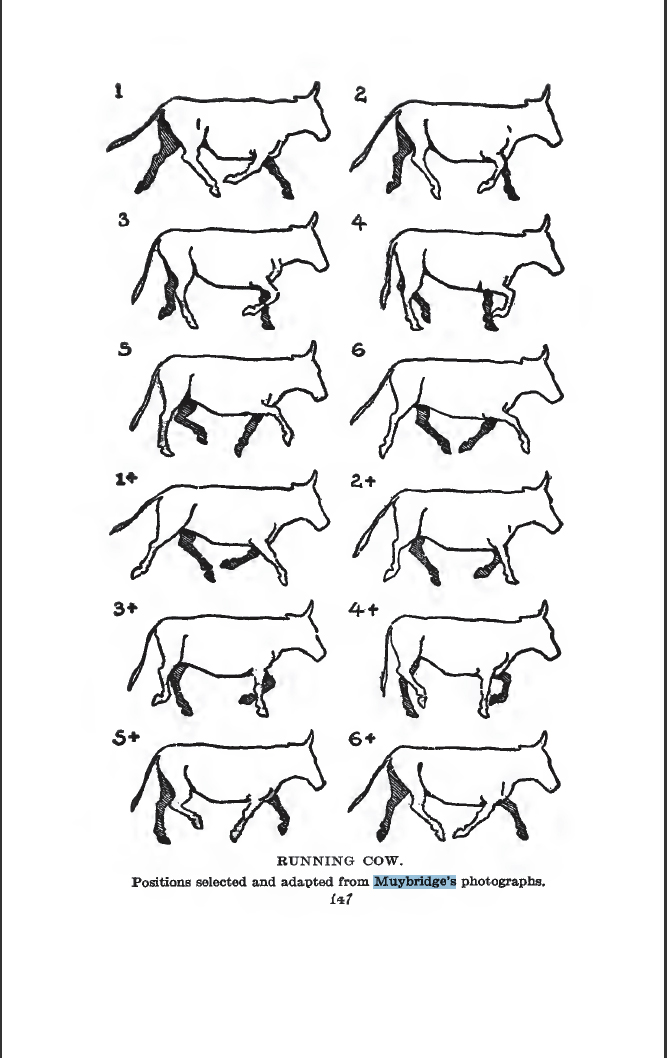
Influenced by contemporary time and motion studies, Lutz's book broke down animation into discrete tasks and encouraged animators to study the basics of motion and animal and human movement. Some animation studios eventually produced in-house versions of this sort of book to train apprentice animators and to streamline the production process by regulating drawing styles. 
Comment on this page
 

Discussion of "Labor, Page 102"

Add your voice to this discussion.

Checking your signed in status ...

Previous page on path Labor, page 7 of 21 Next page on path

Related:  Introduction, Page 20Conclusion, Page 272Race, Page 251Labor, Page 88Introduction, Page 9Space, Page 152Space, Page 162Space, Page 172Performance, Page 76Race, Page 257Performance, Page 40Labor, Page 98Space, Page 171Performance, Page 45Race, Page 219Introduction, Page 14Space, Page 166Race, Page 225Space, Page 143Labor, Page 128Labor, Page 126Performance, Page 35Performance, Page 67Performance, Page 62Race, Page 245Performance, Page 74Introduction, Page 2Performance, Page 43Race, Page 221Conclusion, Page 290Introduction, Page 18Race, Page 232Performance, Page 72Introduction, Page 30Race, Page 242Introduction, Page 6Introduction, Page 26Conclusion, Page 284Performance, Page 82Space, Page 169Conclusion, Page 278Introduction, Page 12Space, Page 150Labor, Page 132Performance, Page 70Space, Page 138Performance, Page 34Labor, Page 93Space, Page 156Race, Page 224Conclusion, Page 274Labor, Page 131Conclusion, Page 289Labor, Page 133Conclusion, Page 268Race, Page 239Race, Page 254Race, Page 231Race, Page 220Labor, Page 122Labor, Page 112Space, Page 159Labor, Page 96introduction-page-22Space, Page 195Race, Page 230Space, Page 165Space, Page 170Conclusion, Page 298Performance, Page 80Space, Page 175Space, Page 188Performance, Page 56Space, Page 137Performance, Page 78Space, Page 192Race, Page 229