Goji Berries: The Key to Eternal Youth?
Goji Berry: Lycium barbarum & Lycium chinense
As the range of L. barbarum and L. chinense has radiated out from China across Asia and Europe, many names have been given to both the plant and berry. In Mandarin, 枸杞子 (gǒuqǐzi) is the name for the berry. The colloquial term we use now, “goji” is a mispronunciation of the Pinyin name for the berry. Many other names have been given, including kuko no mi (クコの実) or kuko no kajitsu (クコの果実) in Japanese, gugija (hangul: 구기자; hanja: 枸杞子) in Korean, kỷ tử (杞子) or cẩu kỷ (枸杞) in Vietnamese, and dre-tsher-mai-dre-bu in Thai; English names include wolfberry, matrimony vine, The Duke of Argyll’s Tea Tree, among others. L. bararum was first given its scientific name in 1753 and L. chinense was named in 1768 (USDA ARS, 2022).MORPHOLOGY
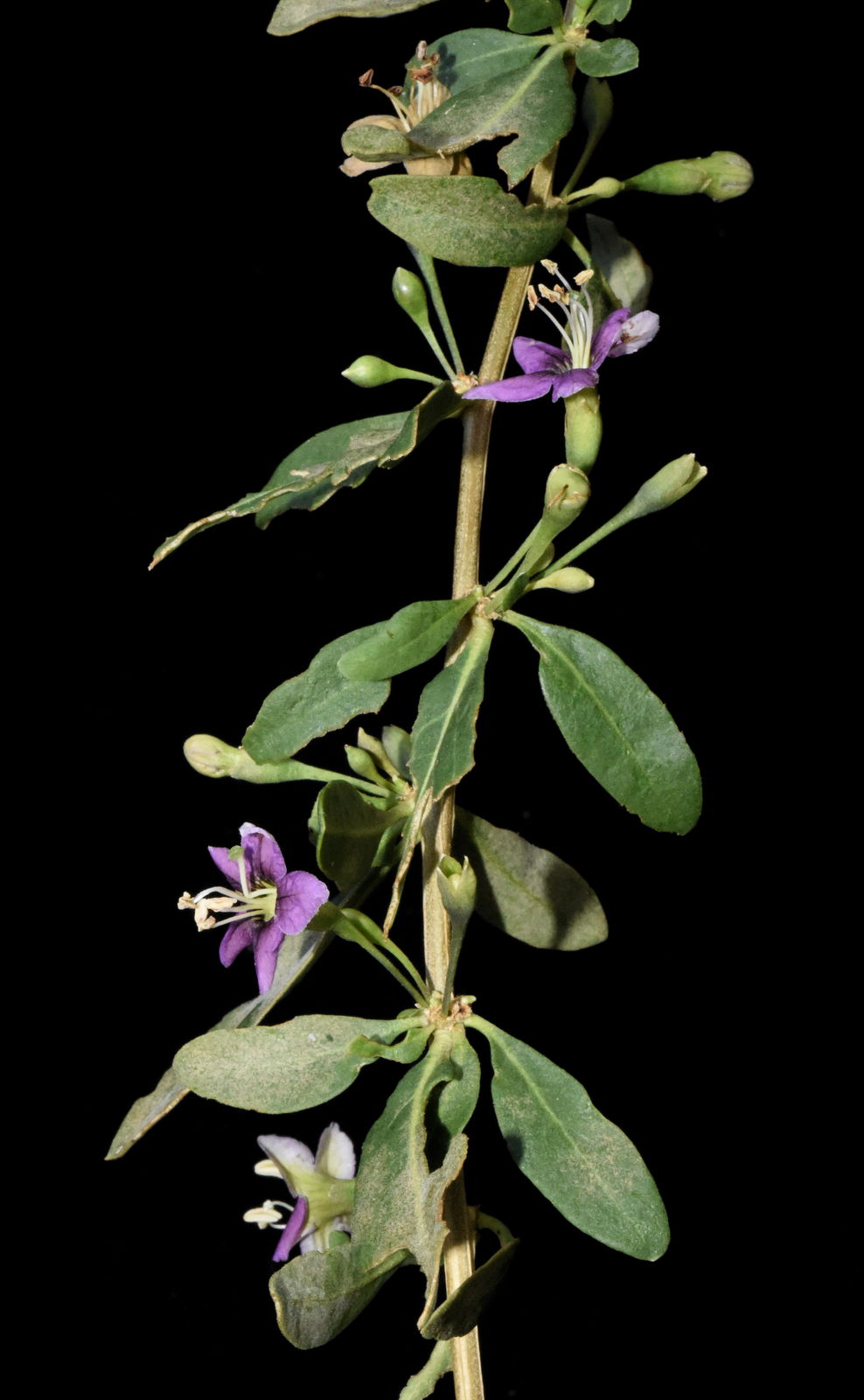
Lycium barbarum and Lycium chinense are deciduous woody perennial plants which grow to heights of around 1-3 meters, L. chinense is generally a bit shorter and is primarily grown in southern China, while L. barbarum is taller and grown in the Ningxia Hui Autonomous Region of northern China and they are slightly taller (ChemEurope). Both species have robust root structures so they are often used as barriers for erosion. They are in the Solanaceae family along with many other plant foods like tomato, eggplant, and peppers (Britannica, 2017). Leaves grow in alternate arrangements or in groups of one to three leaves. They are generally a lanceolate shape with blunt or rounded tips. On average, the leaves are 7 cm long and 3.5 cm wide.
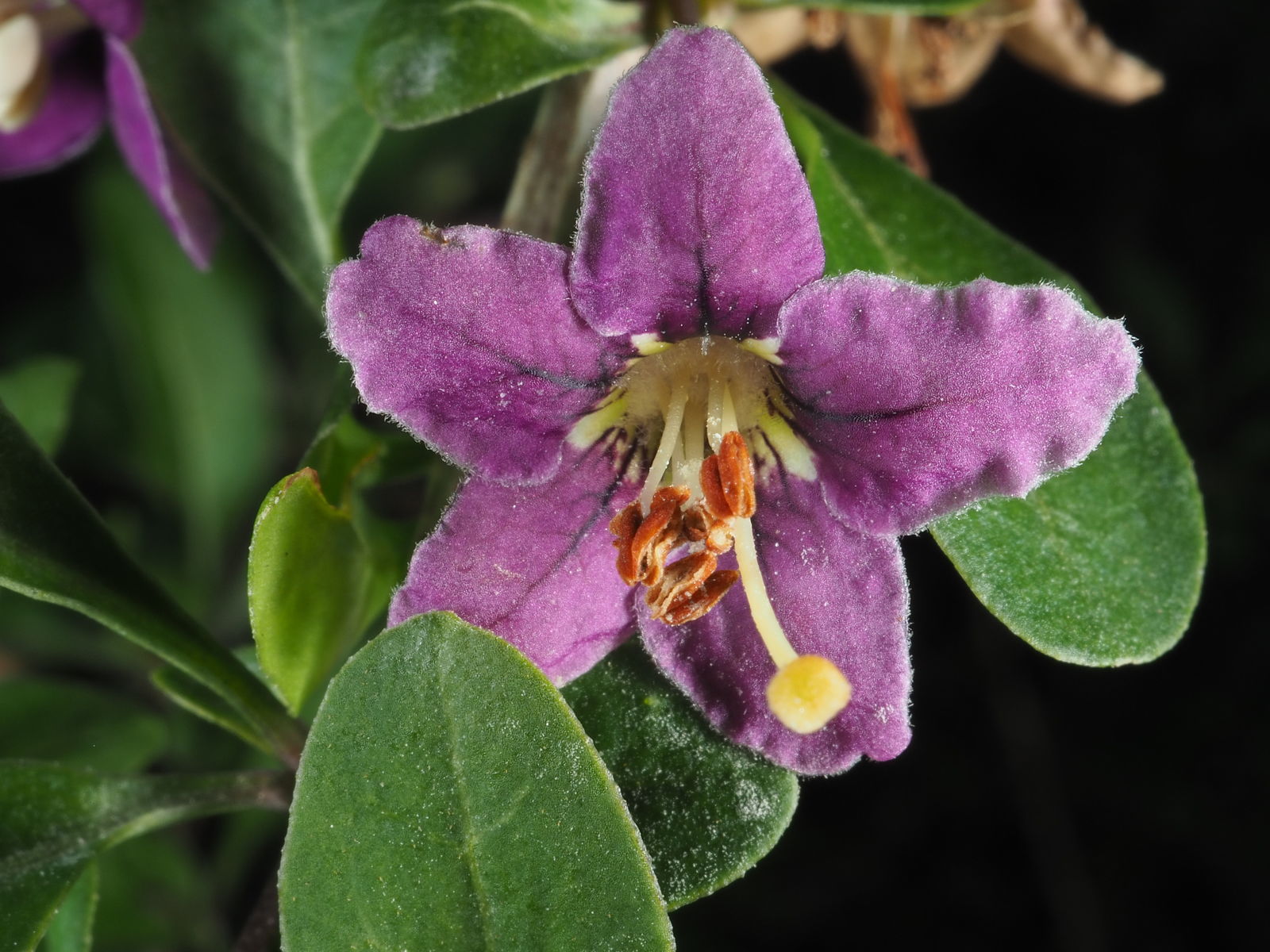
One to three flowers are bunched at the ends of stems that are 1-2 cm long. The calyx has short bell-shaped leaves and it is eventually broken when the berry begins to grow. The corolla of the goji flower is lavender and is 9-14cm long - each flower has five petals and stamens. The stalks of the stamens are longer than the anthers. The pistil is 8-11.5 mm long and the stamens are 3-8mm long (Government of South Australia, 2007). L. barbarum and L. chinense are self-pollinating, but they can also be cross-pollinated by insects. They have a long flowering period, so they are appreciated by many pollinators. Flowering occurs from June through September and berry maturation from August to October, with some variation due to climate differences (Queensland Government, 2016).
The goji berries themselves are generally a vibrant red color, though there are some interesting color variations among specifically cultivated strains. They only reach a length of around 0.7-2cm, the berries of L. chinense smaller than those of L. barbarum. There are varying numbers of seeds, but it is generally within ten to thirty seeds (Bernardello L, 1986) - L. chinense has more seeds, making it the more bitter species of goji berry.
Although the exact domestication history of the Goji Berry is unknown, gene mapping has allowed for a map showing the likely evolution and spread of the Lycium Species (L.). L. Barbarum and L. Chinense are used almost interchangeably, but L. Barbarum is often referred to as the superior species in quality of berry. It also grows further North than its counterpart. L. Barbarum was likely domesticated in Zhongning County- a county in northern China that borders the Yellow River. This is where Goji Berries thrived as a wild species. From 220 BCE to 900 CE, Chinese Dynasties built an irrigation system that went from the Yellow River to the Ningxia Region. This passed right through Zhongning County and brought extra nutrients to the wild plants. As a result, the farmers in the area took the largest, richest, and reddest berries for themselves; storing the seeds for future harvest. Around the time this irrigation channel was under construction, the Goji berry was also growing in popularity as a medicinal herb and was likely further farmed for its utility. As farmers picked out the best specimens and planted those seeds, the Goji berry diverged from its ancient, wild relative. As farmers kept up the practice of selecting for the best berries, they eventually separated the Goji Berry plants into an estimated 10 landraces known today.
These landraces may seem insignificant as they are all Goji Plants, but the quality of berry varies from one landrace to the next. Recently, the Goji Berry skyrocketed as a cure-all type of food and has also grown in popularity outside of China. This caused a rush in which farmers all over the globe have attempted to cultivate Goji Plants for their lucrative yields. However, cultivation is tough outside of the native Chinese soil and yields are usually smaller and finicky outside of China. Therefore, 45% of Goji Berries are still harvested in China where the best environment and landraces produce the most nutritious berries. The optimal conditions for the best berries are sunny yet moist conditions that lack acidic soil. The best method to farming the Goji plants is as follows: plant Goji cuttings about two meters apart during Autumn, trim to promote branch growth for the first two years, water generously, allow plenty of sunlight, harvest from June - October as needed. The plants are fragile for the first two years and need constant attention, but they will become drought resistant after two years as they begin to produce berries. It is recommended to harvest by hand since the berries will easily bruise and leak with any rough handling. Also, one should prune the plants so that they grow only one vertical stem trimmed to a comfortable height for harvesting and produce lateral branches. Practices vary depending on location, but those listed above have worked well in areas such as China, Tibet, Mongolia, Canada, and a diversifying array of new areas worldwide. After harvest, most berries are dried for preservation as they may be shipped to other continents and regions.
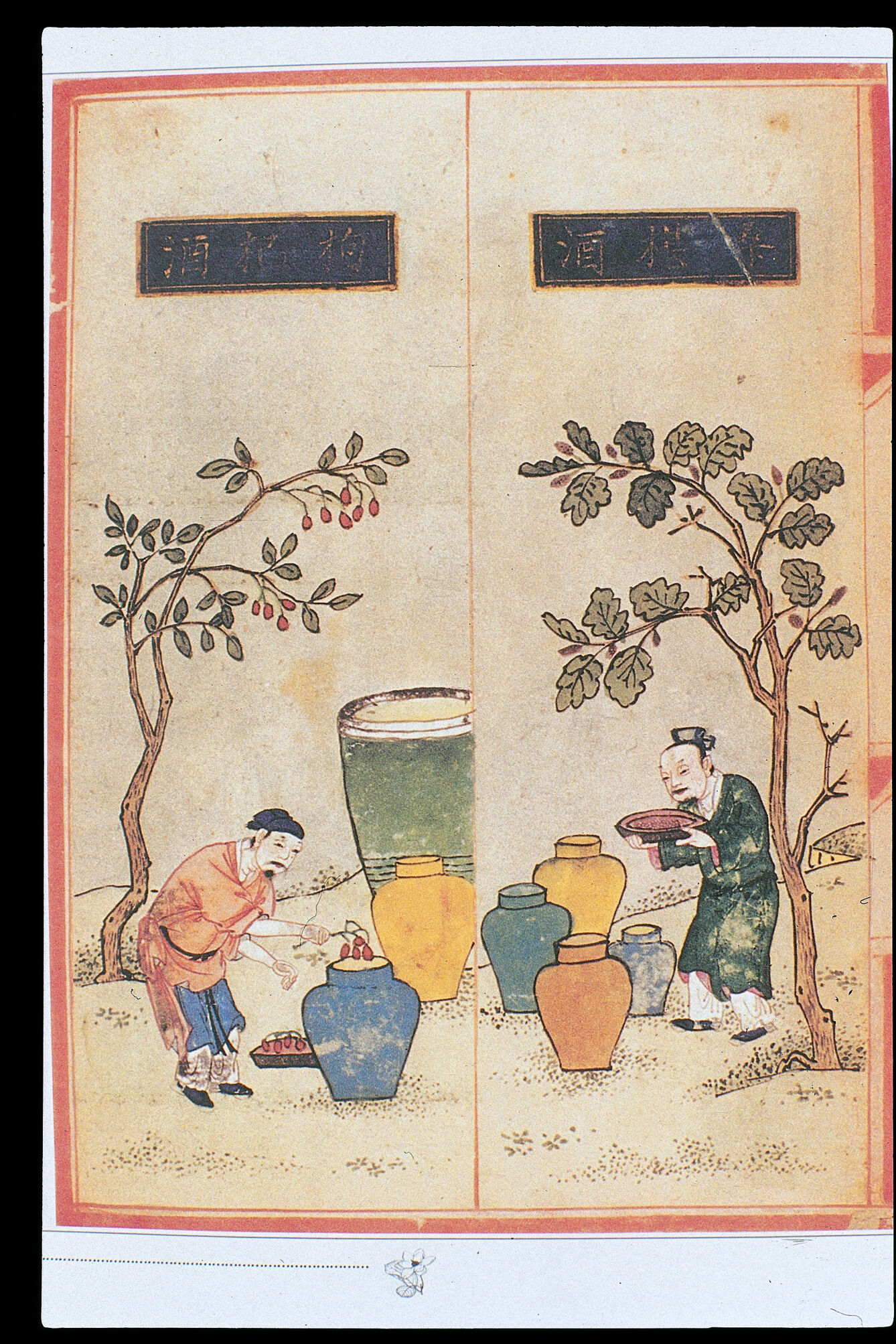
As stated before, the Goji Berry is usually consumed dry, but there are myriad other ways to enjoy the tasty treat. Commonly, the berry is cooked as a vegetable within a soup. However, recent strides have introduced consumption through pills, juices, powdered spices, topical lotions, and teas just to name a few. Even other parts of the Goji Plant are eaten such as the leaves and shoots. While the leaves serve as both a vegetable and loose-leaf tea, the shoots are only eaten as a vegetable.
BIOGRAPHY
Gross, Paul M.; Xiaoping Zhang; and Richard Zhang (2006). Wolfberry: Nature's Bounty of Nutrition & Health. Charleston, South Carolina, United States: BookSurge Publishing. ISBN 1419620487. ISBN 9781419620485.Earl Mindell and Rick Handel (2003), "Goji: The Himalyan Health Secret". Momentum Media, 58 pages. ISBN 978-0967285528
(USDA ARS, 2022) USDA, Agricultural Research Service, National Plant Germplasm System. 2022.
Germplasm Resources Information Network (GRIN Taxonomy). National Germplasm Resources Laboratory, Beltsville, Maryland. URL: https://npgsweb.ars-grin.gov/gringlobal/taxon/taxonomydetail?id=22939. Accessed 23 May 2022.
Britannica, The Editors of Encyclopaedia. "list of plants in the family Solanaceae". Encyclopedia Britannica, 29 Jun. 2017, https://www.britannica.com/topic/list-of-plants-in-the-family-Solanaceae-2026039. Accessed 23 May 2022.
Government of South Australia (2007), "Lycium barbarum". Online fact sheet on Electronic Flora of South Australia (eFloraSA). Accessed on 2018-05-04.
Bernardello L. Revisión taxonómica de las especies sudamericanas de Lycium (Solanaceae) Bol Acad Nac Cien Córdoba Ar. 1986;57:173–356. [Google Scholar]
Queensland Government (2016), "Lycium barbarum". Online fact sheet on Weeds of Australia website. Accessed on 2018-05-04.
Gong, Y., Yu, Z., Yao, Q., Chen, H., Mi, T., & Tan, J. (2015). Seasonal Variation and Sources of Dissolved Nutrients in the Yellow River, China. International journal of environmental research and public health, 12(8), 9603–9622. https://doi.org/10.3390/ijerph120809603
CalFlora: Information on California plants for education, research and conservation. (2000) The CalFlora Database, Berkeley.XXXX