This site requires Javascript to be turned on. Please enable Javascript and reload the page.
Thanks for your patience during our recent outage at scalar.usc.edu. While Scalar content is loading normally now, saving is still slow, and Scalar's 'additional metadata' features have been disabled, which may interfere with features like timelines and maps that depend on metadata. This also means that saving a page or media item will remove its additional metadata. If this occurs, you can use the 'All versions' link at the bottom of the page to restore the earlier version. We are continuing to troubleshoot, and will provide further updates as needed. Note that this only affects Scalar projects at scalar.usc.edu, and not those hosted elsewhere.
Plants & People : The Intersection of Botany and Human Experience
Main Menu
Project Pages
Lens: Project Pages
Catherine Nordstrom
eee5469f13f5b22449d345efe7a91438d420b603
Quinn Schwabauer
c956296b3a71313515a7b42080b7c21898a4e1b3
Jasmine White
5e6d9f39f5dca14a5efcc5b40c2233506f634d6e
Sarah Simpson
2cca5d1758ce821e43339c83d4af59d20561387f
Lysol Patino
fa4807587d439da7c652621d767462e8ddabe5bd
Ramses Cuellar
227d1101a6fc55c106a63da6f97fd9077c07d488
Giselle Correa
82a42a0fc272e6d9366f0c6a05623feb08490e90
Julianna Filice
de86fbc4c9fb4c37c7274aeb009eb12d157a6011
Amanda Lin
351a984f2f13af36387e431ad4c1bf4e2fe6442b
Jessica Manriquez
7a01046c42e42f088710b11e860bb302d9a1bc26
Amanda Bueno-Kling
6d5abc610c22a22e4d47af8113c6196fb76ced5c
Max Kwon
0e62f91ad2fccb5c1911b7cabfc2d67ad395c959
Tim Sisneros
a58829fb647d6ce7b9c40b457c686ddadf0f976f
Kyi Ther Min
bef3cb2bbf8d42cec3ceb3caaabd48943c6d0417
Edward Teng
f1c21e0ed6f73d48ad0b0ca737e4b208c441e39d
Mary Van Dyke
9e2c668c35f9c3e476eadfb42d2f33a996fe5cd3
Justin Haggard
d800073ab461eadee6e6715b98fe04a489d36a98
Holland James Smith
c6215e764616f18dc2ac54f79e800a56549a5a16
Jose Ismael Rodriguez
6d4715e7163f85d38025c4a74929b048c7f737eb
George Vetushko
28ffcc03954a96f0b0b9a57b40c5655eb929accc
Amanda Leyel
98935a5c087672934aee16f680afaf9132e76e30
Joshua Matsuda
2247a3d39cdfe957bbca6416ea46416c22545c46
Ian Morris
6ca94b2f17490b954dfe25231aee4c855ce98f06
Nikhitha Nair
923aa7cd2dc492bc285737def672e1e6cee8d689
Hojae Lee
d95326a339fcf3784c5d38537656c27fcd473cf6
Roberto Vindel
74869cdc6e4cbcab144ffdb6954169b7bacc0c5d
Shiva Nia
962b67344644b964eda3a1efd9dedb861983a57c
Pauline Le
90aae91f63664363b4dc493ff97073aaec561d82
Lauren Guevara
d3ab8c0eaac1066e5e591b0e15c4cfbc6d85e4ed
Ariela Navasartian
b706ff98a2718db176cb67e8d717a47ed8c4b6c0
Paria Maghsoudi
2fd8384def30ded736cc804c59ed30f65fb62a49
Jacqueline Duong
7ba49d8122d8595d23dae05feddc88d987a1bee5
Mellanie Gamero
145cdb416835ae5f2fd6057c64393ce87cb5016c
Karla Gonzalez
fd342cd724627c829347d847ef85f655430c8149
Phan Tran
91148bf3d7cb14e6d6590491bc9e3a572e4e737a
Kokonow Kinney
5aa005b7f097866e68b336839c60b92e3e3b90aa
Megan Chen
437c81235577cd34d86d461fc36d5c2cd1ba0d0a
Jin Zhu
524dd4acaf9b36b0629d5254b578a44a3e94b6c5
Natalie Nartz
c4f6efb33eae9bd143719d1b52bb9491171fc166
Matthew Nguyen
003d1825ac8b425d4322c4506166393d268a368c
Nicole Phelan
459bb3eb397625fc848ea954cd01858178296d64
Sarah Hoffman
9400350df5c9ca76e2405e77876e5f0e0edb5138
Skylar Yee
e2f87f03792b2a81afe11fe605107460a4f71f08
Chloe Fuson
ace0df69849f7f6ca276190dc0c1fd86c005df18
Brian Estarella-Murphy
831eaad1e3a4865984bec7368e88a589ef996e0a
Akshay Chellappa
76da17495df94c6c8bc0710f8fd207dfb8b5b6e1
Lester Squier
50c34f270c5c2e0ed0fafde1cc193434a4febd9c
Angelica Mae Rosete Soriano
e0e91b2960a04f4646d27c495705afaf132bce38
Julia Lindner
919433bcb6a91cbb9416833698e8012976f442c5
Joanne Kwak
035f00d5f05f3c560601b008cd0ae71d45b78461
Natalie Keung
bedcfd8b1a434b29988469c6e3224b2c3a94f2c8
Anthony Baniaga
3cc160e5607a280512d77ceff4259deb08abb3df
Carob: From Pod to Pantry
1
2022-05-11T11:25:18-07:00
Chloe Fuson
ace0df69849f7f6ca276190dc0c1fd86c005df18
40688
51
*Abstract here* By: Chloe Fuson and Skylar Yee #Carob
plain
2022-05-27T06:54:19-07:00
Christopher Gilman
1985b99a2acd541caa12a10c3ebf6896565283ab
Nomenclatural History The scientific name Ceratonia siliqua L. is derived from the Greek work keras , meaning “horn”, and the Latin word siliqua , which refers to the shape and fitness of the pod. And, of course, the L. is in reference to Carl Linnaeus, who first described this species. The type specimen was first recorded by Linnaeus in Species Plantarum 2 in 1753. The common name for this plant is carob, and has its roots in ancient Mediterranean/Middle Eastern cultures. Carob originates from the Hebrew word kharuv , which means “locust”. This relates to two other common colloquial names for carob: St. John’s bread and locust bean, which stem from the biblical references to St. John the Baptist’s consumption of “locusts” during his travels. The locusts he was consuming were likely actually the pods from carob trees, hence the adoption of common names that have to do with the word locust. As the carob tree spread throughout the Mediterranean and other parts of the globe, other names were adopted in the new regions, such as the Arabic kharrub , Spanish algarrobo or garrofero , Italian carrubo , and many more.Evolutionary History & Domestication Lorem ipsum dolor Rutrum quisque non tellus orci ac auctor. Fames ac turpis egestas maecenas pharetra convallis posuere. Tortor posuere ac ut consequat. At tellus at urna condimentum mattis. Suspendisse faucibus interdum posuere lorem. Dolor purus non enim praesent elementum facilisis. Mollis nunc sed id semper risus. Habitasse platea dictumst vestibulum rhoncus est pellentesque elit ullamcorper dignissim. Amet porttitor eget dolor morbi. Enim praesent elementum facilisis leo vel fringilla est ullamcorper eget. Ecology & Life History Lorem ipsum dolorMorphology Vegetative Lorem ipsum dolorReproductive Lorem ipsum dolorCultivation Practices Lorem ipsum dolorNutritional Value & Part Consumed Lorem ipsum dolorHuman Experience Historical Applications Lorem ipsum dolorFuture Applications Lorem ipsum dolorReferences Lorem ipsum dolor sit amet, consectetur adipiscing elit, sed do eiusmod tempor incididunt ut labore et dolore magna aliqua. Pulvinar neque laoreet suspendisse interdum consectetur. Porttitor massa id neque aliquam vestibulum. Aliquam sem et tortor consequat id porta nibh venenatis cras. Lacus laoreet non curabitur gravida arcu ac. Commodo ullamcorper a lacus vestibulum sed arcu non odio. Vitae suscipit tellus mauris a diam maecenas sed enim ut. Massa massa ultricies mi quis hendrerit dolor magna eget. Viverra justo nec ultrices dui sapien eget mi proin sed. Turpis cursus in hac habitasse platea dictumst quisque sagittis purus. Consectetur lorem donec massa sapien faucibus. Sed arcu non odio euismod lacinia at quis risus. Blandit massa enim nec dui. Duis at tellus at urna condimentum mattis pellentesque id nibh. Eget egestas purus viverra accumsan in. Feugiat in ante metus dictum. Urna porttitor rhoncus dolor purus non enim praesent elementum. Quis ipsum suspendisse ultrices gravida dictum fusce. Non curabitur gravida arcu ac tortor. Massa tincidunt dui ut ornare. Quam id leo in vitae. Justo nec ultrices dui sapien. Velit aliquet sagittis id consectetur purus. Purus sit amet volutpat consequat mauris. Auctor augue mauris augue neque gravida in. Auctor neque vitae tempus quam pellentesque nec nam. Egestas integer eget aliquet nibh praesent tristique magna. Eros donec ac odio tempor orci dapibus. Nunc lobortis mattis aliquam faucibus purus in massa tempor. Libero id faucibus nisl tincidunt eget nullam non nisi. Consectetur adipiscing elit duis tristique sollicitudin nibh sit amet. Id nibh tortor id aliquet lectus proin nibh nisl condimentum. Eu consequat ac felis donec et. Adipiscing elit pellentesque habitant morbi tristique. Rutrum quisque non tellus orci ac auctor. Fames ac turpis egestas maecenas pharetra convallis posuere. Tortor posuere ac ut consequat. At tellus at urna condimentum mattis. Suspendisse faucibus interdum posuere lorem. Dolor purus non enim praesent elementum facilisis. Mollis nunc sed id semper risus. Habitasse platea dictumst vestibulum rhoncus est pellentesque elit ullamcorper dignissim. Amet porttitor eget dolor morbi. Enim praesent elementum facilisis leo vel fringilla est ullamcorper eget.Mattis aliquam faucibus purus in. Ullamcorper sit amet risus nullam eget felis eget nunc. Senectus et netus et malesuada fames ac turpis egestas. Diam in arcu cursus euismod quis viverra nibh cras. Morbi tempus iaculis urna id volutpat lacus laoreet non. Accumsan in nisl nisi scelerisque eu. Senectus et netus et malesuada fames ac. Aliquam faucibus purus in massa tempor nec feugiat nisl pretium. Nec ultrices dui sapien eget mi proin sed. Id ornare arcu odio ut sem nulla. Vestibulum sed arcu non odio euismod lacinia. Sed sed risus pretium quam vulputate dignissim suspendisse in est. Lobortis scelerisque fermentum dui faucibus in ornare. Sagittis aliquam malesuada bibendum arcu vitae. Odio tempor orci dapibus ultrices. Cras ornare arcu dui vivamus arcu felis bibendum ut. Dui faucibus in ornare quam viverra orci sagittis eu volutpat. Ultrices neque ornare aenean euismod elementum nisi quis. Egestas erat imperdiet sed euismod nisi porta lorem mollis aliquam. Tristique magna sit amet purus gravida quis blandit turpis cursus. Feugiat scelerisque varius morbi enim. Tristique nulla aliquet enim tortor at auctor. Pretium aenean pharetra magna ac placerat vestibulum lectus mauris ultrices. Dolor sit amet consectetur adipiscing elit ut aliquam. Morbi tincidunt augue interdum velit euismod in pellentesque massa placerat. Hac habitasse platea dictumst quisque sagittis purus sit amet volutpat. Blandit massa enim nec dui nunc mattis enim ut tellus. Felis eget velit aliquet sagittis. Vestibulum lorem sed risus ultricies tristique nulla aliquet enim tortor. Ornare lectus sit amet est placerat in egestas erat. Est lorem ipsum dolor sit amet consectetur adipiscing elit. Lacus suspendisse faucibus interdum posuere lorem ipsum. Lacus sed turpis tincidunt id aliquet risus feugiat in. sit amet commodo nulla facilisi.
This page has paths:
1
2022-05-12T18:41:25-07:00
Christopher Gilman
1985b99a2acd541caa12a10c3ebf6896565283ab
Project Pages
Christopher Gilman
12
structured_gallery
1164646
2022-05-27T08:26:06-07:00
Christopher Gilman
1985b99a2acd541caa12a10c3ebf6896565283ab
Contents of this path:
1
2022-05-11T11:25:27-07:00
Lepidium meyenii: The fertility root
132
Maca… maybe you’ve heard of it, maybe you consume it on a daily basis. Maca is the highest elevation crop known today, and is native to the high elevation Andes mountains in Peru, growing in elevations up to 4500 m high! Maca has been a highly valued commodity for many indigenous peoples within the Andes mountains of Peru throughout history and persists to be valued today. Known for its turnip-like shape due to its bulbous hypocotyl, it is highly sought after for its roots. Consuming the roots will result in many notable benefits, such as nutritional benefits, mood improvements, and enhancements in energy, strength… even fertility, all which are backed by numerous studies. These benefits are all due to the numerous nutrients, fibers, bioactive compounds, and natural compounds lepidiline A and B that are contained within Maca. Combined, they all make Maca the nutritional powerhouse that is today. Once this nutritional powerhouse was advertised to the world, it became an immediate hit. The demand for Maca created a market boom and countries started trying to cultivate the plant to meet the demand. One country that cultivated Maca is China. In the high mountains of Yunnan, Maca was successfully cultivated and thus became a common ingredient in Chinese traditional medicine. As such, Maca remains an important dietary source not only in Peru, but as well as worldwide! With more research being done today to further explore what components are in Maca, only time will tell what additional health benefits Maca has to offer us. By Mellanie Gamero and Jacqueline Duong
plain
2022-05-27T11:49:14-07:00
1
media/10.2307_community.24888724-1 (1).jpg
2022-05-11T11:20:58-07:00
Moringa oleifera: Domestication Histories and Emerging Deviations from Indian Origin
89
The superfood, Moringa oleifera, has a rich history deeply rooted in its native Indian domestication and usage. Also widely known as “The Miracle Tree”, M. oleifera is often recognized by its white flowers and long-seed pods that are greatly sought after. Not only does M. oleifera provide an incomparable food source and multipurpose oil through its pods, but all parts of the plant may be used and consumed. The versatility of this plant is venerated in Indian culture where its consumption and, most importantly, medicinal usage involve all parts of the plant. Due to its spread across other countries, the species and its utilization have evolved to suit individual cultures and their own domestication desires. In the Philippines and North and South Africa, its nutritional value is greatly relied upon to treat malnourishment, purify water, and support community infrastructure while the Indian native medicinal usage is less emphasized and not well known. The Americas, on the other hand, have increasingly toyed with the novel M. oleifera ‘organic-superfood’ craze that tends to remove emphasis from its cultural value and multipurpose utilization to instead fawn over its supposed energy boosts, skin care implementations, and uses in its powder – likely less effective and increasingly more expensive than the original. Though its original purpose grows increasingly colonized, the domestication ventures globally of this superfood continue the legacy of the Moringa oleifera species itself – marked genetic increases in energy production associated with plastic to nucleus gene duplications. As each nation tends to and selects for various aspects of this energy contribution – whether for the nutritional, medicinal, or vanity value – the variation in these M. oleifera may grow towards eventual speciation. By George Vetushko and Lauren Guevara #drumsticktree
plain
2022-05-27T11:50:34-07:00
1
2022-05-11T11:25:17-07:00
Salvia hispanica: A Source of Strength
82
Traditionally a key component in Aztec and Mexican culture, chia seeds have been used for centuries for their nutritional, decorative, and medicinal qualities. A common staple in many cultures around the world, these tiny seeds pack a powerful punch and are enjoyed by fitness enthusiasts everywhere. While the seeds themselves are easily recognizable, less well known is their source: a plant known as Salvia hispanica. This flowering, annual herb has a fascinating history and distinctive morphological traits that have evolved over time due to human cultivation. By exploring the myriad ways that this plant has interacted with people over the course of history, we can gain a greater appreciation of how chia seeds have been an important source of strength and inspiration for many. By Joshua Matsuda, Sarah Hoffman, Julia Lindner #Chia
plain
2022-05-28T18:08:18-07:00
1
2022-05-11T11:25:20-07:00
Tarwi: A forgotten gift from the Andes
64
Tarwi is an Andean lupine that has been cultivated by those native to the Andes for at least 1500 years. The scientific name of this lupine is Lupinus mutabilis, Lupinus meaning “wolfish,” and mutabilis meaning “variable.” It can survive in high elevations ranging from 1650 to 3300 meters. This plant is a dependable crop that has been used by the pre-Inca and Inca people in crop cycling with other native Andean plants such as quinoa and potatoes. Documentation of the use of tarwi has been recorded archeologically in Naza culture tombs and Tiahuanaco ceramics. There are also records of high cultivation of tarwi through Spanish taxation records that recorded 10,000 hectares cultivated. The use of tarwi decreased following Spanish colonization when Old World crops were introduced to the area; by 1980, only 5,200 hectares of tarwi were cultivated in Peru. Tarwi has colorful purple flowers and palmate leaves, making the plant strikingly beautiful. The tarwi plant can self-pollinate and does not rely on one specific pollinator making it less vulnerable to fluctuations in pollinator populations. In addition to being dependable in pollination, tarwi can be planted in poor soil because it can fix nitrogen in the soil. The tarwi plant contains alkaloids, making it less susceptible to pathogens and pests. The seeds of this plant are consumed, but the seeds need to be soaked in water for two to four days to remove the water-soluble alkaloids that make the seeds bitter. As an Andean native plant, Lupinus mutabilis has various properties and uses that have enhanced the diets and lives of Peruvians and other South Americans. By Lysol Patino and Sarah Simpson #tarwi
plain
2022-05-27T11:47:59-07:00
1
2022-05-11T11:25:18-07:00
Breadfruit: The Intrepid Fruit's Journey with Indigenous Peoples and Colonization
42
Breadfruit (Artocarpus altilis (Parkinson) Fosberg) is an intrepid dicot with a rich history and culture surrounding it. Breadfruit trees are a single-trunked tree with a spreading, evergreen canopy. Breadfruit trees are monoecious with both the male and female flowers on the same tree. The male flowers are club shaped, and the female flowers are thousands of small flowers with 2 anthers around a spongy core. The name is derived from the Greek words bread and fruit (artos = bread & karpos = fruit). There are over 2,000 documented names because of its widely spread distribution across the Pacific. A. altilis originated from the South Pacific and was later spread throughout Melanesia, Micronesia, and Polynesia by voyagers. As a result, breadfruit is adapted to a wide variety of climates and conditions in equatorial lowlands. In addition, breadfruit trees thrive in humid tropics and can grow in a variety of soils. Breadfruit became a staple crop because of its nutritional and medicinal value. In the 1700s, breadfruit’s ease of maintenance and nutritional value made it a prime crop, in the eyes of colonizers, to feed African slaves in the Caribbean. Today, breadfruit continues to have an important role in sustainability, fighting malnutrition, and increasing food security. There are research efforts to increase the nutritional value and initiatives to promote breadfruit cultivation in tropical and subtropical regions. For example, The National Tropical Botanical Garden established the Breadfruit Institute in 2003 in hopes of promoting the study of breadfruit for agroforestry, reforestation, global food security and economic development.
plain
2022-05-28T14:42:39-07:00
1
2022-05-11T11:25:19-07:00
Smallanthus sonchifolius: The Superfood of the Andes
39
Smallanthus sonchifolius is a plant that in recent years has gained a lot of traction by western and European countries. Its ability to store sugars in the form of carbohydrates has resulted in a very profitable market for yacon cultivators. People have begun looking at this food as a healthier alternative to sugars which has in turn led to its global expansion. A food that was once limited to exist within the Andes has now expanded to other continents. Yacón's human impact has been a part of South American culture for thousands of years, as its is believed to have originated during Incan times. During this time period yacón's consumption was limited to religious events today however, it is a food that is consumed globally. Apart from its sweet tuberous roots, other pars of the plant that are edible are the leaves and the flowers. Together these attributes allow yacón to be known as one of the superfoods from the Andes. By Jessica Manriquez and Amanda Lin #yacón
plain
2022-05-27T11:23:19-07:00
1
2022-05-11T14:28:51-07:00
Irvingia Gabonensis: The Untapped Diversity of Dika Plant
80
Irvingia gabonensis is a multipurpose, undomesticated fruit tree native to West and Central Africa. Belonging to the family of Irvingiaceae, this evergreen tree species can grow to a height of 40 meters and attain a diameter of about 120 centimeters. The tree produces mango-like fruits that are well known for their nutritious kernels. Even though the fruit of this plant is also referred to as the African bush mango, the plant has no connection to the actual mango fruit. The dika tree can be found in the dry and wet tropical zones such as Nigeria, Angola, Uganda, Congo, Cameroon, Ghana, Togo, and Benin. It is also known to grow in farmland areas, semi-deciduous forests, and gallery forests. Despite its obscurity on the international level, this species should hardly be considered a minor resource. Almost all parts of the plant have a use from its fruit to its bark. Additionally, it serves as a main source of food and income for indigenous groups in Africa such as the Baka tribe from Central Africa. Due to how prized this plant species is, the dika plant is left untouched by the indigenous people when forests are cleared. Once domesticated, the plant can potentially be used to treat the high levels of malnutrition in Africa. Yet, with increasing local and regional demand for the plant’s kernels, the African bush mango has been facing intense exploitation. Additionally, the disappearance of local wildlife such as elephants are affecting the plant’s dispersal. As a result, the I. gabonensis plant has been classified as a highly endangered species. By Ian Morris and Nikhitha Nair #dika
plain
2022-05-28T16:32:49-07:00
1
2022-05-11T11:25:20-07:00
Goji Berries: The Key to Eternal Youth?
121
Goji Berries have become a symbol of the Superfood movement which has continued to gain traction in the US and across the world. Although they have served as a token of this emerging trend, goji berries have been renowned in Asia for their nutritious qualities for many centuries. Its use has been documented for almost 2000 years in traditional Chinese medicine (Gross et al., 2006). The goji industry has skyrocketed during the 21st century as they’ve been recognized for their nutritious qualities. Goji berries have a rich cultural history which has contributed to their claim to fame. In 2003, health writer Earl Mindell distributed a booklet which suggested that goji berries had anti-cancer properties - this drove their entry into the Superfood market. His claims were based on the myth of Li Qing Yuen; the herbalist supposedly consumed goji berries daily which allowed him to live 256 years (Earl Mindell and Rick Handel, 2003). While Mindell’s booklet was full of false exaggerations, there is merit to many of his claims regarding the nutritional benefits of goji berries. Two species are colloquially known as goji berries: Lycium barbarum and Lycium chinense. Their unique vegetative and reproductive morphology makes harvesting the berries labor intensive. Both the goji berry and immature leaves from L. chinense and L. barbarum are eaten by many for their health benefits - while the benefits have been known for centuries, the underlying macromolecular structure that dictates these properties is only being explored in more recent decades. By Ismael Rodriguez & Catherine Nordstrom #Goji
plain
2022-05-28T20:44:39-07:00
1
2022-05-11T11:25:20-07:00
Tiger Nuts: Cultivar, Weed, and the Plasticity of Plant-People Relationships
46
Contrary to its name, the tiger nut is the edible tuber of Cyperus esculentus, a sedge that originates from the Mediterranean area. While it was considered a valuable crop in pre-dynastic Egypt where it was even entombed with Egyptian officials, Cyperus esculentus became widely known as an invasive weed during the 19th century. Because of its low yield, it was never considered valuable enough to cultivate as a cash crop. Once again, however, the tiger nut is regaining its popularity but now as a superfood. With its high fiber content and ability to promote gut health, it continues to rise in popularity as one of many superfoods available in the market today. By Phan Tran, Karla Gonzalez
plain
2022-05-29T00:25:11-07:00
1
2022-05-11T11:17:26-07:00
Aristotelia chilensis: The Super Fruit
12
by Paria Maghsoudi, Ariela Navasartian #wineberry
plain
2022-05-27T06:48:52-07:00
1
2022-05-11T11:25:21-07:00
Aronia melanocarpa: fine wines to phenols
75
By Natalie Keung and Joanne Kwak #chokeberries
plain
2022-05-28T22:56:38-07:00
1
2022-05-11T11:25:23-07:00
Eragostis tef: From Injera to fertility and evertyhing else in between
3
By Luis Angel Yepez #tef
plain
2022-05-27T06:52:51-07:00
1
2022-05-11T11:25:18-07:00
Sacha Inchi: Super Seeds
33
By Amanda Bueno-Kling and Giselle Correa #sachainchi
plain
2022-05-28T23:20:51-07:00
1
2022-05-11T11:23:46-07:00
Aguaje: Tree of Life
47
by Julianna Filice, Ramses Cuellar #aguaje
plain
2022-05-28T20:21:23-07:00
1
2022-05-11T11:25:19-07:00
Açaí Berry: The Exploitation of Labor in South America
16
The açaí berry is a small fruit, similar in size to a blueberry but deeper purple in color. Native to Eastern Amazonia, the açaí berry has only recently begun to be popularized as a “superfood” in urban communities in the United States within the past 20 years. This superfood claims to be helpful for a variety of major health concerns including, but not limited to, arthritis, weight loss, high cholesterol, and detoxification (NCCIH). Even though research is limited and these claims remain unproven, the popularity of açaí berries still manages to grow exponentially each year. The global market for the açaí berry is expected to exceed $2 billion by 2026 (McCoy). The only proven claim than can be made about the açaí berry is that its rise in popularity only serves to threaten the lives of families, both adults and children, that are living in the surrounding communities in the Amazon who are responsible for harvesting the berries and are, in turn, routinely exploited for cheap, quick labor. More often than not, these açaí pickers, known as peconheiros, are forced to work in critically dangerous conditions and are paid little to nothing. Peconheiros are regularly exposed to serious injuries including bone fractures, accidental knife wounds, and venomous snake and spider bites. With the açaí trees growing upwards of 50 feet tall and only a braided rope being provided to climb, falls are common– and sometimes fatal. Further, peconheiros have no way of advocating for themselves in the event that they do become injured in the forest. No laws or regulations exist that protect the safety and wellness of the peconheiros. by Roberto Vindel, Pauline Le, and Max Kwon #Açaí
plain
2022-05-27T08:35:05-07:00
1
2022-05-11T11:25:18-07:00
Carob: From Pod to Pantry
51
*Abstract here* By: Chloe Fuson and Skylar Yee #Carob
plain
2022-05-27T06:54:19-07:00
1
2022-05-11T11:25:18-07:00
The Wonder Berry : Phyllanthus emblica
77
Known for being rich in both nutrition and history, the amla berry or as Carl Linneaus named it in 1753, Phyllanthus emblica, can be classified as India’s “Wonder Berry.” Originally believed to come from the semi-arid areas and plains of Northern India, the plant is native to Asia's tropic south-eastern regions such as Vietnam, Laos, and Thailand. Such regions provide conditions like mixed forests and elevations, that the plant cannot live without. However, with the fruit’s beneficial properties being so popular, countries all over the world cultivate the amla berry with India well beyond 100,000 acres of amla development. The amla berry’s influence has even reached as far as the United States where seed distribution first began in the early 1900s. It is said that the Indian god Brahma’s tears germinated the first seeds. In fact, the origin of the fruit’s usage can be traced hundreds of years ago where it was and still used today as a healing remedy. This fruit has been used to cure fevers, joint inflammations, and constipation for hundreds of years. Even recent research has suggested that the antiviral and antibacterial properties of the amla berry may be able to prevent cancer, diabetes, and excessive cholesterol. Despite only being the size of a golf ball, the amla berry is very high in vitamin C, vitamin E, vitamin A, iron, and calcium. In contrast to the size, these berries grow on trees that can reach heights of 12 meters all while surrounded by the beauty of greenish-yellow and pink flowers running across the branchlets. Ultimately, it is safe to say that such a plant is truly a wonder. By Natalie Nartz and Matthew Nguyen #amla
plain
2022-05-28T23:02:23-07:00
1
2022-05-25T13:09:32-07:00
Annona cherimola: The most delicious fruit known to man
4
by Shiva Nia, Kyi Ther Min #Cherimoya
plain
2022-05-25T15:04:47-07:00
1
2022-05-11T11:41:19-07:00
M. Citrifolia: An introspective look into the phenology and cultural histories of the Noni fruit.
2
By Megan Chen and Kokonow Kinney #noni
plain
2022-05-11T11:50:02-07:00
1
2022-05-11T11:25:26-07:00
Pouteria lucuma: An exploration of historical and modern medical uses of the Andean lucuma fruit
73
By Jasmine White, Quinn Schwabauer, Jin Zhu #lucuma
plain
2022-05-28T21:57:53-07:00
1
2022-05-11T11:25:18-07:00
Avocado: New World Nutient Pack
36
By Amanda Leyel and Hojae Lee #Avocado
plain
2022-05-27T20:16:08-07:00
1
2022-05-11T11:25:19-07:00
Camu Camu: The Super Fruit of the Amazon Basin
68
By Nicole Phelan and Holland Smith #CamuCamu
plain
2022-05-28T18:59:33-07:00
1
2022-05-11T11:25:35-07:00
Mankai: The Super Small Superfood
7
By Akshay Chellappa, Brian Estarella-Murphy, #Mankai
plain
2022-05-23T11:13:39-07:00
1
2022-05-11T21:26:42-07:00
Ulluco: Cultivation Consequences on Reproduction
6
(**Abstract goes here**) By Audrey Hernandez, Justin Haggard #Ulluco
plain
2022-05-24T17:04:29-07:00
1
2022-05-11T11:21:27-07:00
From medicine to industry: the multifaceted history of Guaraná (Paullinia cupana Kunth., Sapindaceae)
18
Paullinia Cupana, nature’s caffeine tablet, has a very deep history within native Americans that resided in South America. Known by locals as guarana, “drink of the Lord”, it has a very easily recognizable eye ball like structure, with a large black seed surrounded by bright red fruit. The seed contain an extremely high concentration of caffeine and tanin, four times the amount found in coffee beans. It was commonly used by the Satere Maue people to make beverages and used as medicine for bodily discomfort as far back as over 2000 years ago. Nowadays, despite its popularity, the only country that cultivates guarana is Brazil, with over 15,000 hectares of land growing guarana. It is such an important crop for the people of Brazil, parts of the Amazon was cut down in order to make room to grow guarana. In 2006, the cash value of domestic production of guarana is over 13 billion, and it has only been increasing due to the growing domestic and international demand. Due to it’s high caffeine content within the seed, it is very widely used nowadays to be included in energy drinks. One extremely popular soda called Guarana Antarctica is the biggest competitor of Coca Cola in Brazil. By Tim Sisneros and Edward Teng #Guarana #Paullinia
plain
2022-05-27T21:36:48-07:00
1
2022-05-23T07:19:29-07:00
Lorem Ipsum: The Fake Latin Text Substitute
7
Elementum facilisis leo vel fringilla est ullamcorper eget nulla facilisi etiam dignissim diam quis enim lobortis scelerisque fermentum dui faucibus in ornare quam viverra orci sagittis eu volutpat odio facilisis mauris sit amet massa vitae tortor condimentum lacinia quis vel eros donec ac odio tempor orci dapibus ultrices in iaculis nunc sed augue lacus viverra vitae congue eu consequat ac felis donec et odio pellentesque diam volutpat commodo sed egestas egestas fringilla phasellus faucibus scelerisque eleifend donec pretium vulputate sapien nec sagittis aliquam malesuada bibendum arcu vitae elementum curabitur vitae nunc sed velit dignissim sodales ut eu sem integer vitae justo eget magna fermentum iaculis eu non diam phasellus vestibulum lorem sed risus ultricies tristique nulla aliquet enim tortor at auctor urna nunc id cursus metus aliquam eleifend mi in nulla posuere sollicitudin aliquam ultrices sagittis orci a scelerisque purus semper eget duis at tellus at urna condimentum mattis pellentesque id nibh tortor id aliquet lectus proin nibh nisl condimentum id venenatis a condimentum vitae sapien pellentesque habitant morbi tristique senectus et netus et malesuada fames ac turpis egestas sed tempus urna et pharetra pharetra massa massa ultricies mi quis hendrerit dolor magna eget est lorem ipsum dolor sit amet consectetur adipiscing elit pellentesque habitant morbi tristique senectus et netus et malesuada fames ac turpis egestas integer eget aliquet nibh praesent tristique magna sit amet purus gravida quis blandit turpis cursus in hac habitasse platea dictumst quisque sagittis purus sit amet volutpat consequat mauris nunc congue nisi vitae suscipit tellus. By Lorem Ipsum #lorem #ipsum
plain
2022-05-23T10:56:52-07:00
This page references:
1
2022-05-11T11:32:48-07:00
Carob Tree Reproductive Morphology
18
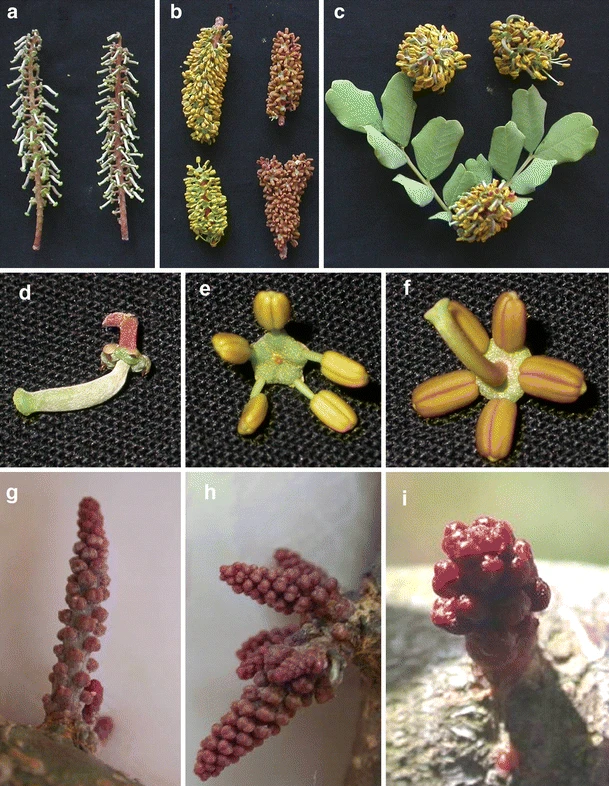
Image of male, female, and hermaphroditic carob inflorescences and flowers #carob
plain
2022-05-23T23:38:16-07:00
1
2022-05-11T11:30:27-07:00
Carob Tree Vegetative Morphology
10
This image depicts the branches and leaves of a carob tree located in Mattinata, Italy. #carob
plain
2022-05-23T23:38:43-07:00
1
2022-05-24T22:40:53-07:00
Ceratonia siliqua Phylogenetic Tree
4
Image of a phylogentic tree that depicts the divergence of the different subfamilies of the Leguminosae family, showing the evolutionary history of Ceratonia siliqua. #carob
plain
2022-05-24T23:14:34-07:00
1
media/Locus-bean-gum-locust-bean-carob-bean-gum_thumb.jpeg
2022-05-23T23:41:57-07:00
Carob Pod and Locust Bean Gum
4
This image shows the various morphological traits of the carob pod used in locust bean gum production. #carob
media/Locus-bean-gum-locust-bean-carob-bean-gum.jpeg
plain
2022-05-26T13:20:55-07:00
1
2022-05-23T23:09:58-07:00
Carob Products
3
This image shows various carob products sold by an online shop of Cretan goods based in Greece. #carob
plain
2022-05-26T13:20:15-07:00