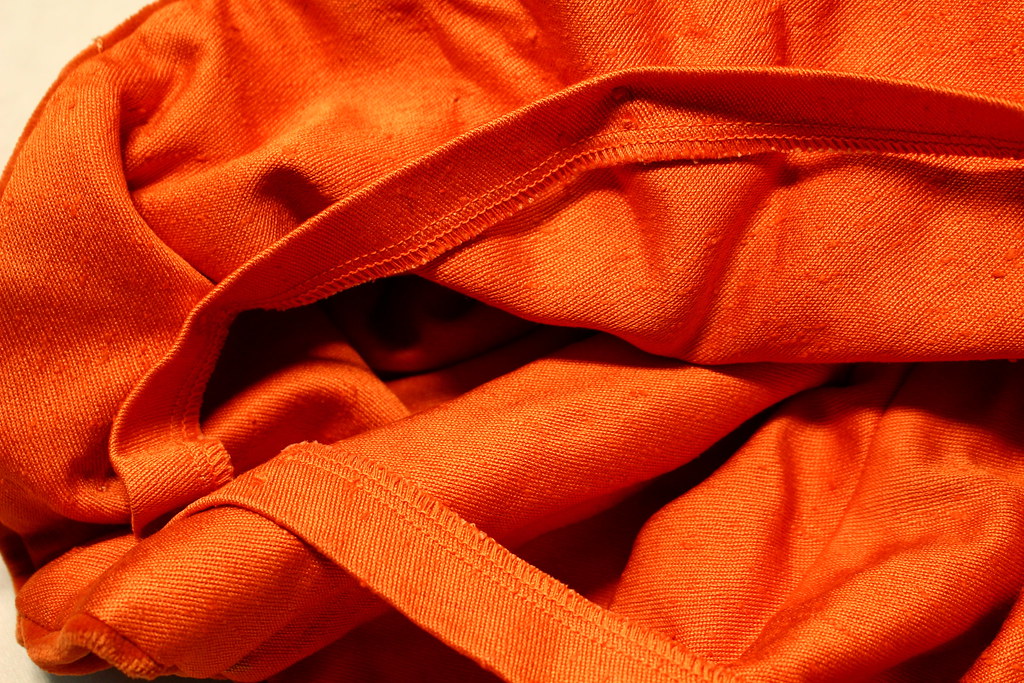
Drape
Object Name
DrapeCollection Number
ROMO #27100Date of Requisition
May 4, 1966Materials
Velvet, Yarn Count 40 x 40 x 30, 600 tufts per square inch, 100% cotton, water repellent and dirt resistant. “Copper” colorDimensions
90" L | 228.6 cmManufacturer
F Schumacher & CompanyContext
According to the correspondence in Charles Gordon Lee’s papers, the drapery selection caused quite some concern in the furnishings of Beaver Meadows. For a while, park officials were considering wooden shutters, but Lee recommended drapes and Dale Devine agreed.
Much of Lee’s letters detail the various issues the drapes posed. Questions included: drape texture (pleated or shirred), lined or unlined, length, drape placement throughout the visitor center, the inclusion of top and bottom fasteners, use of heavy duty hardware, and other issues.
Designers considered various materials for the curtains in Beaver Meadows. Taliesin assigned sheer lined salmon colored beta fiberglass curtains to the Visitor Center offices, lobby, storage area, and conference room. While popular in the 1960s, fiberglass drapery is no longer in general use due to reports of skin irritation from contact with the fabric and improperly cleaned containers used to wash the fabric. Now only used for specific industry purposes, fiberglass fabric has been displaced by polyester and modacrylic fibers.
The specific curtains above, however were created for the Auditorium balcony. They are made of velvet and were installed in the auditorium only weeks before the park opened to the public.
This page has paths:
- Furniture Hannah Ashley