Thanks for your patience during our recent outage at scalar.usc.edu. While Scalar content is loading normally now, saving is still slow, and Scalar's 'additional metadata' features have been disabled, which may interfere with features like timelines and maps that depend on metadata. This also means that saving a page or media item will remove its additional metadata. If this occurs, you can use the 'All versions' link at the bottom of the page to restore the earlier version. We are continuing to troubleshoot, and will provide further updates as needed. Note that this only affects Scalar projects at scalar.usc.edu, and not those hosted elsewhere.
Colorado Fuel and Iron: Culture and Industry in Southern Colorado Main MenuCF&I TimelinePredecessor and Subsidiary CompaniesMiningHealth and SafetyEthnic Groups and DiversityImportant PeopleEmployee LifeLabor Relations in the Industrial WestLand and WaterCities and TownsSteel ProductionArtifactsCompany PublicationsAssorted Histories and Short StoriesQuips and blurbs relating to Southern Colorado's industrial historyThe Steelwsorks Center of the WestBooks and Other ResourcesCredits and AcknowledgementsChristopher J. Schrecka2fcfe32c1f76dc9d5ebe09475fa72e5633cc36dC.J. Schreck
Goils Make Coils
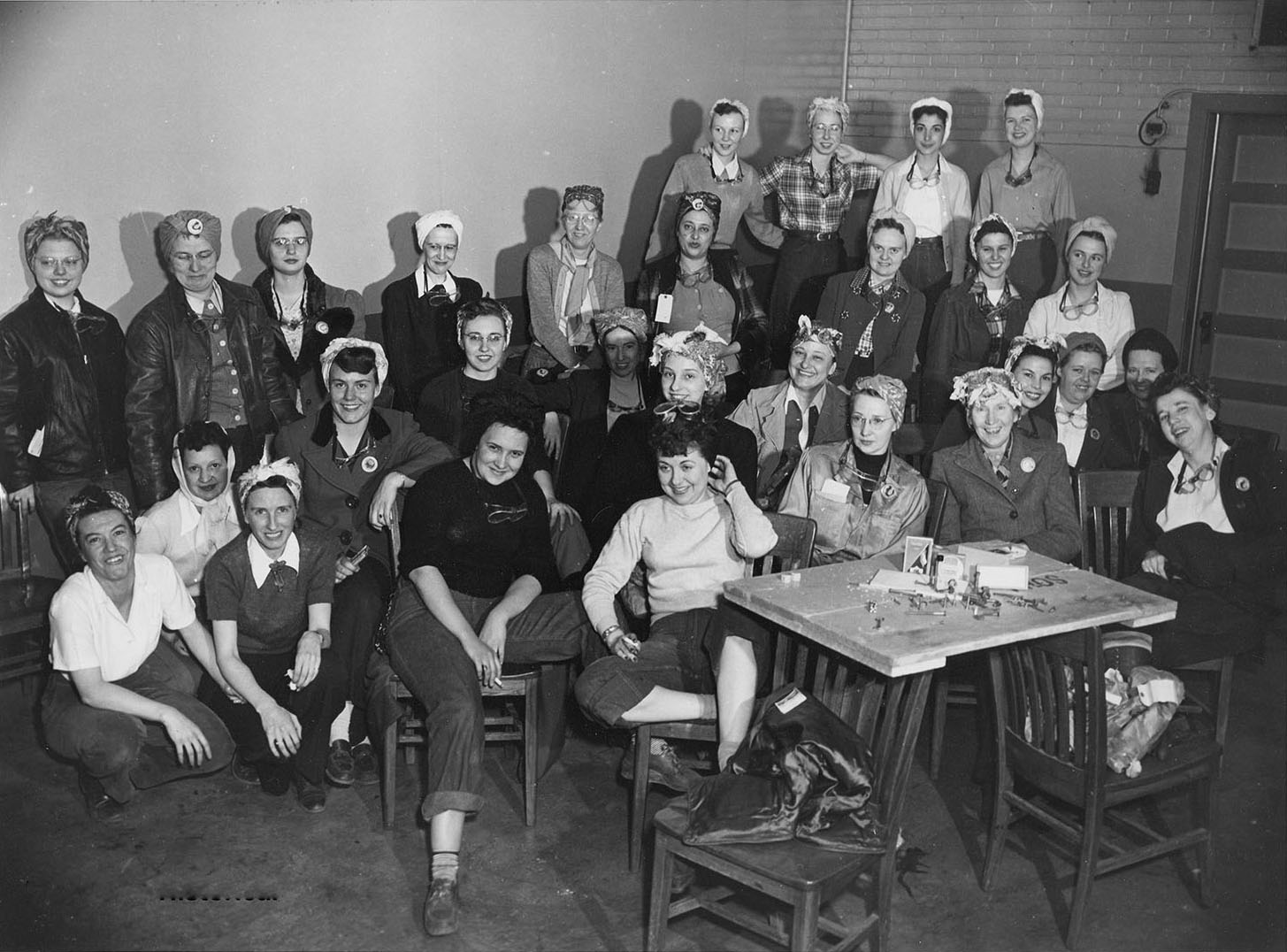
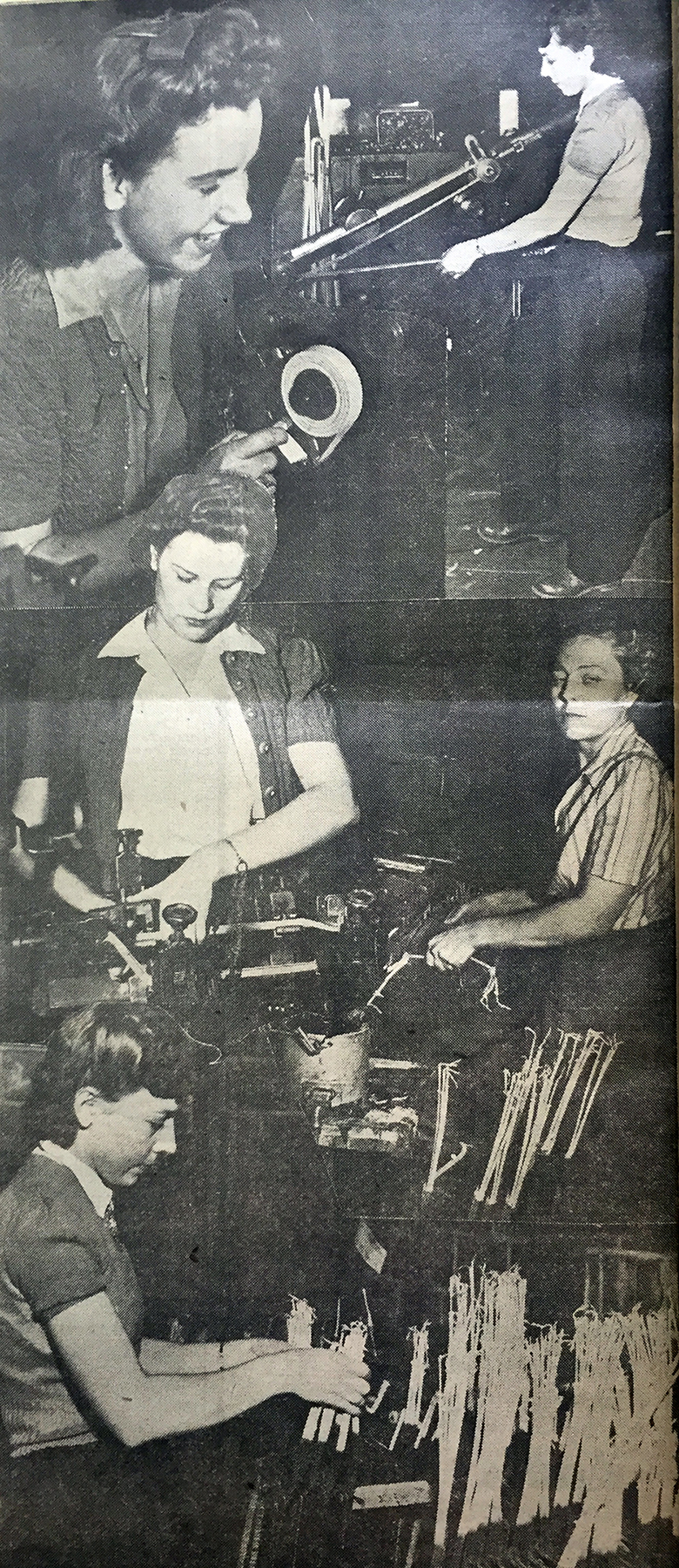
12016-04-25T07:50:59-07:00Christopher J. Schrecka2fcfe32c1f76dc9d5ebe09475fa72e5633cc36d72421plain2016-04-25T07:50:59-07:00Christopher J. Schrecka2fcfe32c1f76dc9d5ebe09475fa72e5633cc36d Elsie Schwartz, Virda Keller and Sylvia Cloyd were just three of many women who took on jobs within the production areas during the War. Working in the coil department of the Electric Shop, their job was to tape and make coils that were then sold to other factories around the country for making tank gears, axels and rifles. Photographed by CF&I company publication photographers and using the headline "Goils Make Coils," this series of photographs showed some of the many jobs in a steel mill in 1943. Florence Slater worked in the grinding ball division of the Bolt, Ball and Spike Mill that same year. Grinding balls were used at CF&I to crush large pieces of ore brought from the various mining communities. Crushed iron ore was then melted, and refined into steel; crushed coal was used to fuel furnaces for steel making.
This page has paths:
12016-04-25T07:50:59-07:00Christopher J. Schrecka2fcfe32c1f76dc9d5ebe09475fa72e5633cc36dCF&I Women of WWIIChristopher J. Schreck1book_splash2016-04-25T07:50:59-07:00Christopher J. Schrecka2fcfe32c1f76dc9d5ebe09475fa72e5633cc36d
This page references:
12016-04-25T07:50:59-07:00Tons of Grinding Balls1CF&I Blast 2/19/1943plain2016-04-25T07:50:59-07:00