Thanks for your patience during our recent outage at scalar.usc.edu. While Scalar content is loading normally now, saving is still slow, and Scalar's 'additional metadata' features have been disabled, which may interfere with features like timelines and maps that depend on metadata. This also means that saving a page or media item will remove its additional metadata. If this occurs, you can use the 'All versions' link at the bottom of the page to restore the earlier version. We are continuing to troubleshoot, and will provide further updates as needed. Note that this only affects Scalar projects at scalar.usc.edu, and not those hosted elsewhere.
Colorado Fuel and Iron: Culture and Industry in Southern Colorado Main MenuCF&I TimelinePredecessor and Subsidiary CompaniesMiningHealth and SafetyEthnic Groups and DiversityImportant PeopleEmployee LifeLabor Relations in the Industrial WestLand and WaterCities and TownsSteel ProductionArtifactsCompany PublicationsAssorted Histories and Short StoriesQuips and blurbs relating to Southern Colorado's industrial historyThe Steelwsorks Center of the WestBooks and Other ResourcesCredits and AcknowledgementsChristopher J. Schrecka2fcfe32c1f76dc9d5ebe09475fa72e5633cc36dC.J. Schreck
Victory Canning and Gardening
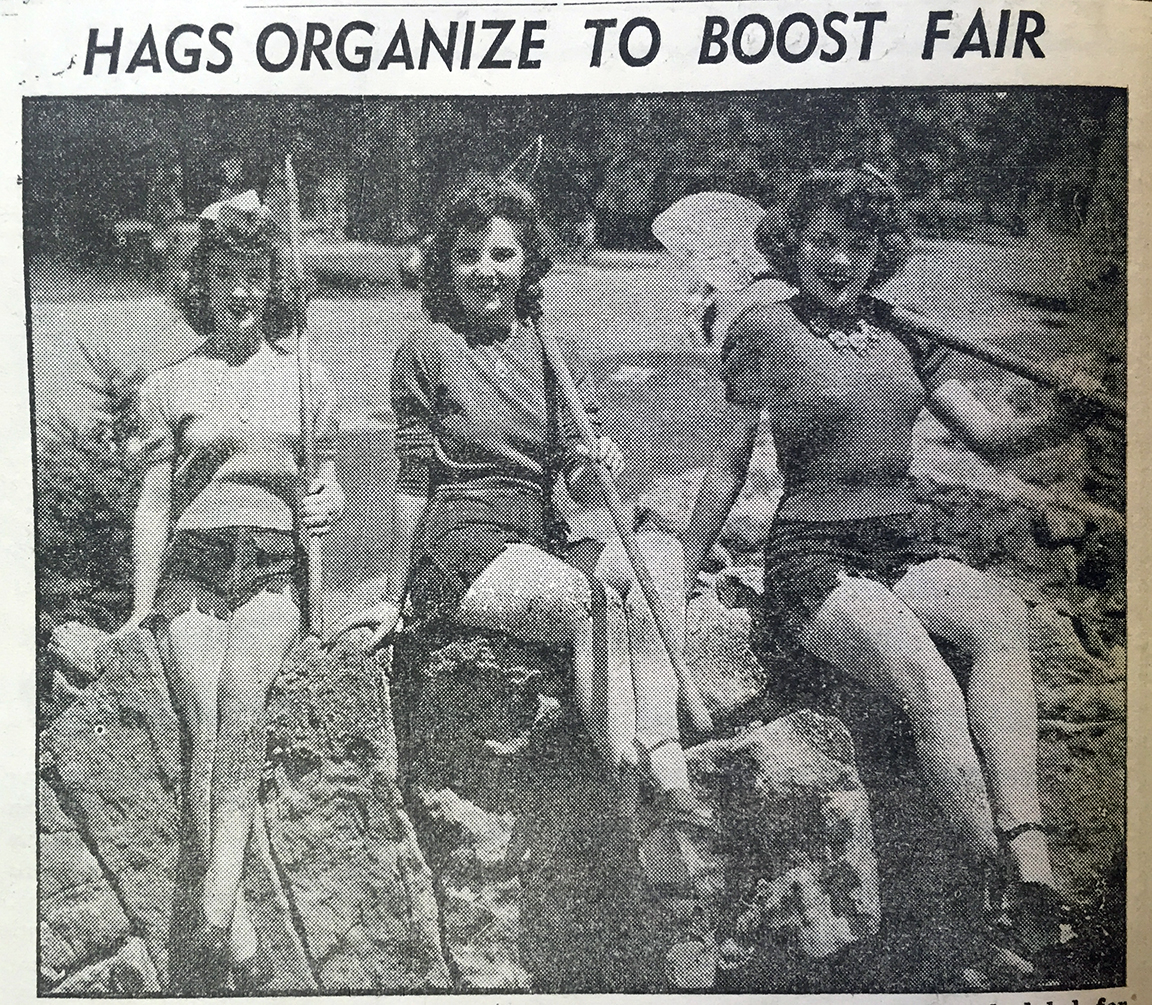
12016-04-25T07:51:01-07:00Christopher J. Schrecka2fcfe32c1f76dc9d5ebe09475fa72e5633cc36d72421plain2016-04-25T07:51:01-07:00Christopher J. Schrecka2fcfe32c1f76dc9d5ebe09475fa72e5633cc36d Needing to feed hungry soldiers while at the same time preventing a food shortage for civilians, the United States government encouraged all able American families to grow victory gardens in their backyards, rooftops and window boxes. Knowing that women were the primary food preparers of average households in the 1940s, CF&I Blast newspaper reporters reprinted recipes and wrote articles with women in mind. Articles included tips to grow larger, healthier fruits and vegetables and suggestions of attractive ways to serve the vegetables at the dinner table. Americans were also encouraged to can and preserve any excess food grown in the summer and eat it during the winter to supplement the rationed amount of food throughout the country. Friendly rivalry contests held in Pueblo included those for not only the largest and most plentiful vegetables, but also the most varied gardens. Gardeners pictured are Patricia Twombley, Ruth Relator and Margaret Gramley, members of the “HAGS” club sponsored at the Steelworks YMCA, standing for “H” (hose), “A” (and), “G” (gardening), “S” (society).
The US Department of Agriculture estimated that more than 20 million victory gardens were planted nationwide during the War years.
This page has paths:
12016-04-25T07:50:59-07:00Christopher J. Schrecka2fcfe32c1f76dc9d5ebe09475fa72e5633cc36dCF&I Women of WWIIChristopher J. Schreck1book_splash2016-04-25T07:50:59-07:00Christopher J. Schrecka2fcfe32c1f76dc9d5ebe09475fa72e5633cc36d