List of Large Plates Supplementing Volume Nineteen
1 2018-03-16T21:13:03-07:00 Erik Loyer f862727c4b34febd6a0341bffd27f168a35aa637 29482 1 Media Gallery structured_gallery 2018-03-16T21:13:03-07:00 Erik Loyer f862727c4b34febd6a0341bffd27f168a35aa637This page has paths:
- 1 2018-03-16T21:13:12-07:00 Erik Loyer f862727c4b34febd6a0341bffd27f168a35aa637 Volume Nineteen Illustrations and Portfolio Images Erik Loyer 1 Media Galleries structured_gallery 2018-03-16T21:13:13-07:00 Erik Loyer f862727c4b34febd6a0341bffd27f168a35aa637
Contents of this path:
-
1
2018-03-16T21:12:41-07:00
Erik Loyer
f862727c4b34febd6a0341bffd27f168a35aa637
As it was in the old days
1
In early days, before white men invaded the Great Plains and ruthlessly slaughtered them by the hundreds of thousands, bison were of prime importance to the hunting tribes of the vast region in which those animals had their range. The bison was not only the chief source of food of the Plains Indians, but its skin was made into clothing, shields, packs, bags, snowshoes, and tent and boat covers; the horns were fashioned into spoons and drinking vessels; the sinew was woven into reatas, belts, personal ornaments, and the covers of sacred bundles; and the dried droppings, "buffalo-chips," were used as fuel. So dependent on the buffalo were these Indians that it became sacred to them, and many were the ceremonies performed for the purpose of promoting the increase of the herds.
plain
2018-03-16T21:12:41-07:00
Curtis, Edward S. 1868-1952
1927
Digital images of the plates supported by an award from the Library of Congress/Ameritech National Digital Library Competition, and mounted in American Memory. See http://memory.loc.gov/ammem/award98/ienhtml/curthome.html
Digital reproduction of the photomechanical print cp19001 - portfolio 19 page plate no. 652 For educational, non-commercial use only. Written permission required for any reproduction beyond fair use. Credit: Northwestern University Library, Edward S. Curtis's "The North American Indian," 2003.
http://digital.library.northwestern.edu/curtis/ The North American Indian (1907-1930) v.19, The Indians of Oklahoma. The Wichita. The southern Cheyenne. The Oto. The Comanche. The Peyote cult ([Seattle] : E.S. Curtis ; [Cambridge, Mass. : The University Press], 1930), plate no. 652 1 photogravure : brown ink ; 35 x 44 cm [plate size]
Original photogravure produced in Cambridge, Mass. by Suffolk Engraving Co. http://curtis.library.northwestern.edu/curtis/info.cgi?id=nai.19.port.00000002 Erik Loyer f862727c4b34febd6a0341bffd27f168a35aa637 -
1
2018-03-16T21:12:42-07:00
Erik Loyer
f862727c4b34febd6a0341bffd27f168a35aa637
A Wichita
1
The Wichita belong to the Caddoan linguistic family and in the earliest historical times lived in the Arkansas valley in the present Kansas. Here they were visited by Coronado and his force of Spaniards in 1541, in a region known to them, through Indian informants, as the Province of Quivira. Then, as in later times, after moving southward, the Wichita lived in grass-houses.
plain
2018-03-16T21:12:42-07:00
Curtis, Edward S. 1868-1952
1927
Digital images of the plates supported by an award from the Library of Congress/Ameritech National Digital Library Competition, and mounted in American Memory. See http://memory.loc.gov/ammem/award98/ienhtml/curthome.html
Digital reproduction of the photomechanical print cp19002 - portfolio 19 page plate no. 653 For educational, non-commercial use only. Written permission required for any reproduction beyond fair use. Credit: Northwestern University Library, Edward S. Curtis's "The North American Indian," 2003.
http://digital.library.northwestern.edu/curtis/ The North American Indian (1907-1930) v.19, The Indians of Oklahoma. The Wichita. The southern Cheyenne. The Oto. The Comanche. The Peyote cult ([Seattle] : E.S. Curtis ; [Cambridge, Mass. : The University Press], 1930), plate no. 653 1 photogravure : brown ink ; 35 x 44 cm [plate size]
Original photogravure produced in Cambridge, Mass. by Suffolk Engraving Co. http://curtis.library.northwestern.edu/curtis/info.cgi?id=nai.19.port.00000003 Erik Loyer f862727c4b34febd6a0341bffd27f168a35aa637 -
1
2018-03-16T21:12:42-07:00
Erik Loyer
f862727c4b34febd6a0341bffd27f168a35aa637
Wichita grass-house
1
The relatively permanent character of the typical dwelling of the Wichita indicates the sedentary life of this tribe. They were farmers in the main, but hunted the buffalo and other game in season.
plain
2018-03-16T21:12:42-07:00
Curtis, Edward S. 1868-1952
1927
Digital images of the plates supported by an award from the Library of Congress/Ameritech National Digital Library Competition, and mounted in American Memory. See http://memory.loc.gov/ammem/award98/ienhtml/curthome.html
Digital reproduction of the photomechanical print cp19003 - portfolio 19 page plate no. 654 For educational, non-commercial use only. Written permission required for any reproduction beyond fair use. Credit: Northwestern University Library, Edward S. Curtis's "The North American Indian," 2003.
http://digital.library.northwestern.edu/curtis/ The North American Indian (1907-1930) v.19, The Indians of Oklahoma. The Wichita. The southern Cheyenne. The Oto. The Comanche. The Peyote cult ([Seattle] : E.S. Curtis ; [Cambridge, Mass. : The University Press], 1930), plate no. 654 1 photogravure : brown ink ; 35 x 43 cm [plate size]
Original photogravure produced in Cambridge, Mass. by Suffolk Engraving Co. http://curtis.library.northwestern.edu/curtis/info.cgi?id=nai.19.port.00000004 Erik Loyer f862727c4b34febd6a0341bffd27f168a35aa637 -
1
2018-03-16T21:12:42-07:00
Erik Loyer
f862727c4b34febd6a0341bffd27f168a35aa637
Grass-house ceremony - Wichita
1
The rites performed at the building of a grass-house are described in Volume XIX, pages 64-72.
plain
2018-03-16T21:12:42-07:00
Curtis, Edward S. 1868-1952
1927
Digital images of the plates supported by an award from the Library of Congress/Ameritech National Digital Library Competition, and mounted in American Memory. See http://memory.loc.gov/ammem/award98/ienhtml/curthome.html
Digital reproduction of the photomechanical print cp19004 - portfolio 19 page plate no. 655 For educational, non-commercial use only. Written permission required for any reproduction beyond fair use. Credit: Northwestern University Library, Edward S. Curtis's "The North American Indian," 2003.
http://digital.library.northwestern.edu/curtis/ The North American Indian (1907-1930) v.19, The Indians of Oklahoma. The Wichita. The southern Cheyenne. The Oto. The Comanche. The Peyote cult ([Seattle] : E.S. Curtis ; [Cambridge, Mass. : The University Press], 1930), plate no. 655 1 photogravure : brown ink ; 35 x 43 cm [plate size]
Original photogravure produced in Cambridge, Mass. by Suffolk Engraving Co. http://curtis.library.northwestern.edu/curtis/info.cgi?id=nai.19.port.00000005 Erik Loyer f862727c4b34febd6a0341bffd27f168a35aa637 -
1
2018-03-16T21:12:42-07:00
Erik Loyer
f862727c4b34febd6a0341bffd27f168a35aa637
Henry - Wichita
1
The native names of the Indians are often unpronounceable by untrained white people, who therefore apply such incongruous English names as this and the following.
plain
2018-03-16T21:12:42-07:00
Curtis, Edward S. 1868-1952
1927
Digital images of the plates supported by an award from the Library of Congress/Ameritech National Digital Library Competition, and mounted in American Memory. See http://memory.loc.gov/ammem/award98/ienhtml/curthome.html
Digital reproduction of the photomechanical print cp19005 - portfolio 19 page plate no. 656 For educational, non-commercial use only. Written permission required for any reproduction beyond fair use. Credit: Northwestern University Library, Edward S. Curtis's "The North American Indian," 2003.
http://digital.library.northwestern.edu/curtis/ The North American Indian (1907-1930) v.19, The Indians of Oklahoma. The Wichita. The southern Cheyenne. The Oto. The Comanche. The Peyote cult ([Seattle] : E.S. Curtis ; [Cambridge, Mass. : The University Press], 1930), plate no. 656 1 photogravure : brown ink ; 45 x 34 cm [plate size]
Original photogravure produced in Cambridge, Mass. by Suffolk Engraving Co. http://curtis.library.northwestern.edu/curtis/info.cgi?id=nai.19.port.00000006 Erik Loyer f862727c4b34febd6a0341bffd27f168a35aa637 -
1
2018-03-16T21:12:42-07:00
Erik Loyer
f862727c4b34febd6a0341bffd27f168a35aa637
Walter Ross - Wichita
1
plain
2018-03-16T21:12:42-07:00
Curtis, Edward S. 1868-1952
1927
Digital images of the plates supported by an award from the Library of Congress/Ameritech National Digital Library Competition, and mounted in American Memory. See http://memory.loc.gov/ammem/award98/ienhtml/curthome.html
Digital reproduction of the photomechanical print cp19006 - portfolio 19 page plate no. 657 For educational, non-commercial use only. Written permission required for any reproduction beyond fair use. Credit: Northwestern University Library, Edward S. Curtis's "The North American Indian," 2003.
http://digital.library.northwestern.edu/curtis/ The North American Indian (1907-1930) v.19, The Indians of Oklahoma. The Wichita. The southern Cheyenne. The Oto. The Comanche. The Peyote cult ([Seattle] : E.S. Curtis ; [Cambridge, Mass. : The University Press], 1930), plate no. 657 1 photogravure : brown ink ; 45 x 33 cm [plate size]
Original photogravure produced in Cambridge, Mass. by Suffolk Engraving Co. http://curtis.library.northwestern.edu/curtis/info.cgi?id=nai.19.port.00000007 Erik Loyer f862727c4b34febd6a0341bffd27f168a35aa637 -
1
2018-03-16T21:11:09-07:00
Erik Loyer
f862727c4b34febd6a0341bffd27f168a35aa637
Story of the Washita
1
An Old Cheyenne warrior recounts the famous battle of the Washita in 1868, when the tribe was severely defeated by General Custer.
plain
2018-03-16T21:11:09-07:00
Curtis, Edward S. 1868-1952
1927
Digital images of the plates supported by an award from the Library of Congress/Ameritech National Digital Library Competition, and mounted in American Memory. See http://memory.loc.gov/ammem/award98/ienhtml/curthome.html
Digital reproduction of the photomechanical print cp19007 - portfolio 19 page plate no. 658 For educational, non-commercial use only. Written permission required for any reproduction beyond fair use. Credit: Northwestern University Library, Edward S. Curtis's "The North American Indian," 2003.
http://digital.library.northwestern.edu/curtis/ The North American Indian (1907-1930) v.19, The Indians of Oklahoma. The Wichita. The southern Cheyenne. The Oto. The Comanche. The Peyote cult ([Seattle] : E.S. Curtis ; [Cambridge, Mass. : The University Press], 1930), plate no. 658 1 photogravure : brown ink ; 46 x 33 cm [plate size]
Original photogravure produced in Cambridge, Mass. by Suffolk Engraving Co. http://curtis.library.northwestern.edu/curtis/info.cgi?id=nai.19.port.00000008 Erik Loyer f862727c4b34febd6a0341bffd27f168a35aa637 -
1
2018-03-16T21:11:09-07:00
Erik Loyer
f862727c4b34febd6a0341bffd27f168a35aa637
On the Canadian River
1
The name of the Canadian river was not derived from any association with Canada or the Canadians, but from the Spanish cañada, on account of the high, cut banks of the stream. The Canadian originally divided the lands claimed by the Quapaw on the south and those of the Great and Little Osage on the both. The Indians in the picture are Cheyenne.
plain
2018-03-16T21:11:09-07:00
Curtis, Edward S. 1868-1952
1927
Digital images of the plates supported by an award from the Library of Congress/Ameritech National Digital Library Competition, and mounted in American Memory. See http://memory.loc.gov/ammem/award98/ienhtml/curthome.html
Digital reproduction of the photomechanical print cp19008 - portfolio 19 page plate no. 659 For educational, non-commercial use only. Written permission required for any reproduction beyond fair use. Credit: Northwestern University Library, Edward S. Curtis's "The North American Indian," 2003.
http://digital.library.northwestern.edu/curtis/ The North American Indian (1907-1930) v.19, The Indians of Oklahoma. The Wichita. The southern Cheyenne. The Oto. The Comanche. The Peyote cult ([Seattle] : E.S. Curtis ; [Cambridge, Mass. : The University Press], 1930), plate no. 659 1 photogravure : brown ink ; 45 x 34 cm [plate size]
Original photogravure produced in Cambridge, Mass. by Suffolk Engraving Co. http://curtis.library.northwestern.edu/curtis/info.cgi?id=nai.19.port.00000009 Erik Loyer f862727c4b34febd6a0341bffd27f168a35aa637 -
1
2018-03-16T21:11:09-07:00
Erik Loyer
f862727c4b34febd6a0341bffd27f168a35aa637
Cheyenne sun-dance lodge
1
For an account of the Sun-dance ceremony and the erection of the lodge among the Southern Cheyenne, see Volume XIX, pages 121-128.
plain
2018-03-16T21:11:09-07:00
Curtis, Edward S. 1868-1952
1927
Digital images of the plates supported by an award from the Library of Congress/Ameritech National Digital Library Competition, and mounted in American Memory. See http://memory.loc.gov/ammem/award98/ienhtml/curthome.html
Digital reproduction of the photomechanical print cp19009 - portfolio 19 page plate no. 660 For educational, non-commercial use only. Written permission required for any reproduction beyond fair use. Credit: Northwestern University Library, Edward S. Curtis's "The North American Indian," 2003.
http://digital.library.northwestern.edu/curtis/ The North American Indian (1907-1930) v.19, The Indians of Oklahoma. The Wichita. The southern Cheyenne. The Oto. The Comanche. The Peyote cult ([Seattle] : E.S. Curtis ; [Cambridge, Mass. : The University Press], 1930), plate no. 660 1 photogravure : brown ink ; 35 x 44 cm [plate size]
Original photogravure produced in Cambridge, Mass. by Suffolk Engraving Co. http://curtis.library.northwestern.edu/curtis/info.cgi?id=nai.19.port.00000010 Erik Loyer f862727c4b34febd6a0341bffd27f168a35aa637 -
1
2018-03-16T21:11:10-07:00
Erik Loyer
f862727c4b34febd6a0341bffd27f168a35aa637
Hotamitaye Society, Cheyenne sun-dance
1
The members of this and other bands, which were created by the Prophet of Cheyenne legend, go to the forest for the poles with which to build the lodge. While in the forest they decorate themselves and their horses with willow branches, leaving the rearmost horsemen to drag the poles to camp.
plain
2018-03-16T21:11:10-07:00
Curtis, Edward S. 1868-1952
1927
Digital images of the plates supported by an award from the Library of Congress/Ameritech National Digital Library Competition, and mounted in American Memory. See http://memory.loc.gov/ammem/award98/ienhtml/curthome.html
Digital reproduction of the photomechanical print cp19010 - portfolio 19 page plate no. 661 For educational, non-commercial use only. Written permission required for any reproduction beyond fair use. Credit: Northwestern University Library, Edward S. Curtis's "The North American Indian," 2003.
http://digital.library.northwestern.edu/curtis/ The North American Indian (1907-1930) v.19, The Indians of Oklahoma. The Wichita. The southern Cheyenne. The Oto. The Comanche. The Peyote cult ([Seattle] : E.S. Curtis ; [Cambridge, Mass. : The University Press], 1930), plate no. 661 1 photogravure : brown ink ; 35 x 44 cm [plate size]
Original photogravure produced in Cambridge, Mass. by Suffolk Engraving Co. http://curtis.library.northwestern.edu/curtis/info.cgi?id=nai.19.port.00000011 Erik Loyer f862727c4b34febd6a0341bffd27f168a35aa637 -
1
2018-03-16T21:11:10-07:00
Erik Loyer
f862727c4b34febd6a0341bffd27f168a35aa637
Water rite purification, Cheyenne animal dance
1
The legend of the Animal dance is given on pages 133-135 of Volume XIX.
plain
2018-03-16T21:11:10-07:00
Curtis, Edward S. 1868-1952
1927
Digital images of the plates supported by an award from the Library of Congress/Ameritech National Digital Library Competition, and mounted in American Memory. See http://memory.loc.gov/ammem/award98/ienhtml/curthome.html
Digital reproduction of the photomechanical print cp19011 - portfolio 19 page plate no. 662 For educational, non-commercial use only. Written permission required for any reproduction beyond fair use. Credit: Northwestern University Library, Edward S. Curtis's "The North American Indian," 2003.
http://digital.library.northwestern.edu/curtis/ The North American Indian (1907-1930) v.19, The Indians of Oklahoma. The Wichita. The southern Cheyenne. The Oto. The Comanche. The Peyote cult ([Seattle] : E.S. Curtis ; [Cambridge, Mass. : The University Press], 1930), plate no. 662 1 photogravure : brown ink ; 45 x 33 cm [plate size]
Original photogravure produced in Cambridge, Mass. by Suffolk Engraving Co. http://curtis.library.northwestern.edu/curtis/info.cgi?id=nai.19.port.00000012 Erik Loyer f862727c4b34febd6a0341bffd27f168a35aa637 -
1
2018-03-16T21:11:10-07:00
Erik Loyer
f862727c4b34febd6a0341bffd27f168a35aa637
At the pool, animal dance - Cheyenne
1
plain
2018-03-16T21:11:10-07:00
Curtis, Edward S. 1868-1952
1927
Digital images of the plates supported by an award from the Library of Congress/Ameritech National Digital Library Competition, and mounted in American Memory. See http://memory.loc.gov/ammem/award98/ienhtml/curthome.html
Digital reproduction of the photomechanical print cp19012 - portfolio 19 page plate no. 663 For educational, non-commercial use only. Written permission required for any reproduction beyond fair use. Credit: Northwestern University Library, Edward S. Curtis's "The North American Indian," 2003.
http://digital.library.northwestern.edu/curtis/ The North American Indian (1907-1930) v.19, The Indians of Oklahoma. The Wichita. The southern Cheyenne. The Oto. The Comanche. The Peyote cult ([Seattle] : E.S. Curtis ; [Cambridge, Mass. : The University Press], 1930), plate no. 663 1 photogravure : brown ink ; 35 x 43 cm [plate size]
Original photogravure produced in Cambridge, Mass. by Suffolk Engraving Co. http://curtis.library.northwestern.edu/curtis/info.cgi?id=nai.19.port.00000013 Erik Loyer f862727c4b34febd6a0341bffd27f168a35aa637 -
1
2018-03-16T21:07:28-07:00
Erik Loyer
f862727c4b34febd6a0341bffd27f168a35aa637
Cheyenne chief
1
The Cheyenne belong to the Algonquian linguistic family and therefore are related to the tribes of the Blackfoot Confederacy and to the Arapaho of the north, and, much more remotely, to many of the tribes that once lives along the Atlantic seaboard and in the Midwest. They are now divided into the Northern Cheyenne, living in Montana, and the Southern Cheyenne who were assigned a reservation in the present Oklahoma in 1867.
plain
2018-03-16T21:07:28-07:00
Curtis, Edward S. 1868-1952
1927
Digital images of the plates supported by an award from the Library of Congress/Ameritech National Digital Library Competition, and mounted in American Memory. See http://memory.loc.gov/ammem/award98/ienhtml/curthome.html
Digital reproduction of the photomechanical print cp19013 - portfolio 19 page plate no. 664 For educational, non-commercial use only. Written permission required for any reproduction beyond fair use. Credit: Northwestern University Library, Edward S. Curtis's "The North American Indian," 2003.
http://digital.library.northwestern.edu/curtis/ The North American Indian (1907-1930) v.19, The Indians of Oklahoma. The Wichita. The southern Cheyenne. The Oto. The Comanche. The Peyote cult ([Seattle] : E.S. Curtis ; [Cambridge, Mass. : The University Press], 1930), plate no. 664 1 photogravure : brown ink ; 45 x 34 cm [plate size]
Original photogravure produced in Cambridge, Mass. by Suffolk Engraving Co. http://curtis.library.northwestern.edu/curtis/info.cgi?id=nai.19.port.00000014 Erik Loyer f862727c4b34febd6a0341bffd27f168a35aa637 -
1
2018-03-16T21:11:10-07:00
Erik Loyer
f862727c4b34febd6a0341bffd27f168a35aa637
Lone chief - Cheyenne
1
plain
2018-03-16T21:11:10-07:00
Curtis, Edward S. 1868-1952
1927
Digital images of the plates supported by an award from the Library of Congress/Ameritech National Digital Library Competition, and mounted in American Memory. See http://memory.loc.gov/ammem/award98/ienhtml/curthome.html
Digital reproduction of the photomechanical print cp19014 - portfolio 19 page plate no. 665 For educational, non-commercial use only. Written permission required for any reproduction beyond fair use. Credit: Northwestern University Library, Edward S. Curtis's "The North American Indian," 2003.
http://digital.library.northwestern.edu/curtis/ The North American Indian (1907-1930) v.19, The Indians of Oklahoma. The Wichita. The southern Cheyenne. The Oto. The Comanche. The Peyote cult ([Seattle] : E.S. Curtis ; [Cambridge, Mass. : The University Press], 1930), plate no. 665 1 photogravure : brown ink ; 45 x 33 cm [plate size]
Original photogravure produced in Cambridge, Mass. by Suffolk Engraving Co. http://curtis.library.northwestern.edu/curtis/info.cgi?id=nai.19.port.00000015 Erik Loyer f862727c4b34febd6a0341bffd27f168a35aa637 -
1
2018-03-16T21:11:10-07:00
Erik Loyer
f862727c4b34febd6a0341bffd27f168a35aa637
Cheyenne costume
1
This woman's deerskin costume, ornamented with porcupine-quill embroidery and with beads and fringe, is characteristic of that of the Cheyenne; but such is now worn only on gala occasions and probably ere very long will be a thing of the past.
plain
2018-03-16T21:11:10-07:00
Curtis, Edward S. 1868-1952
1927
Digital images of the plates supported by an award from the Library of Congress/Ameritech National Digital Library Competition, and mounted in American Memory. See http://memory.loc.gov/ammem/award98/ienhtml/curthome.html
Digital reproduction of the photomechanical print cp19015 - portfolio 19 page plate no. 666 For educational, non-commercial use only. Written permission required for any reproduction beyond fair use. Credit: Northwestern University Library, Edward S. Curtis's "The North American Indian," 2003.
http://digital.library.northwestern.edu/curtis/ The North American Indian (1907-1930) v.19, The Indians of Oklahoma. The Wichita. The southern Cheyenne. The Oto. The Comanche. The Peyote cult ([Seattle] : E.S. Curtis ; [Cambridge, Mass. : The University Press], 1930), plate no. 666 1 photogravure : brown ink ; 45 x 33 cm [plate size]
Original photogravure produced in Cambridge, Mass. by Suffolk Engraving Co. http://curtis.library.northwestern.edu/curtis/info.cgi?id=nai.19.port.00000016 Erik Loyer f862727c4b34febd6a0341bffd27f168a35aa637 -
1
2018-03-16T21:11:11-07:00
Erik Loyer
f862727c4b34febd6a0341bffd27f168a35aa637
Cheyenne maiden
1
plain
2018-03-16T21:11:11-07:00
Curtis, Edward S. 1868-1952
1927
Digital images of the plates supported by an award from the Library of Congress/Ameritech National Digital Library Competition, and mounted in American Memory. See http://memory.loc.gov/ammem/award98/ienhtml/curthome.html
Digital reproduction of the photomechanical print cp19016 - portfolio 19 page plate no. 667 For educational, non-commercial use only. Written permission required for any reproduction beyond fair use. Credit: Northwestern University Library, Edward S. Curtis's "The North American Indian," 2003.
http://digital.library.northwestern.edu/curtis/ The North American Indian (1907-1930) v.19, The Indians of Oklahoma. The Wichita. The southern Cheyenne. The Oto. The Comanche. The Peyote cult ([Seattle] : E.S. Curtis ; [Cambridge, Mass. : The University Press], 1930), plate no. 667 1 photogravure : brown ink ; 45 x 34 cm [plate size]
Original photogravure produced in Cambridge, Mass. by Suffolk Engraving Co. http://curtis.library.northwestern.edu/curtis/info.cgi?id=nai.19.port.00000017 Erik Loyer f862727c4b34febd6a0341bffd27f168a35aa637 -
1
2018-03-16T21:11:11-07:00
Erik Loyer
f862727c4b34febd6a0341bffd27f168a35aa637
Dog woman - Cheyenne
1
The woman's dress is embellished with elk-teeth.
plain
2018-03-16T21:11:11-07:00
Curtis, Edward S. 1868-1952
1927
Digital images of the plates supported by an award from the Library of Congress/Ameritech National Digital Library Competition, and mounted in American Memory. See http://memory.loc.gov/ammem/award98/ienhtml/curthome.html
Digital reproduction of the photomechanical print cp19017 - portfolio 19 page plate no. 668 For educational, non-commercial use only. Written permission required for any reproduction beyond fair use. Credit: Northwestern University Library, Edward S. Curtis's "The North American Indian," 2003.
http://digital.library.northwestern.edu/curtis/ The North American Indian (1907-1930) v.19, The Indians of Oklahoma. The Wichita. The southern Cheyenne. The Oto. The Comanche. The Peyote cult ([Seattle] : E.S. Curtis ; [Cambridge, Mass. : The University Press], 1930), plate no. 668 1 photogravure : brown ink ; 45 x 33 cm [plate size]
Original photogravure produced in Cambridge, Mass. by Suffolk Engraving Co. http://curtis.library.northwestern.edu/curtis/info.cgi?id=nai.19.port.00000018 Erik Loyer f862727c4b34febd6a0341bffd27f168a35aa637 -
1
2018-03-16T21:11:11-07:00
Erik Loyer
f862727c4b34febd6a0341bffd27f168a35aa637
Woista - Cheyenne woman
1
Remarkable strength of character is depicted in the features of this woman, and indeed in those of all the Cheyenne. Their former life was such that only the fittest could survive.
plain
2018-03-16T21:11:11-07:00
Curtis, Edward S. 1868-1952
1927
Digital images of the plates supported by an award from the Library of Congress/Ameritech National Digital Library Competition, and mounted in American Memory. See http://memory.loc.gov/ammem/award98/ienhtml/curthome.html
Digital reproduction of the photomechanical print cp19018 - portfolio 19 page plate no. 669 For educational, non-commercial use only. Written permission required for any reproduction beyond fair use. Credit: Northwestern University Library, Edward S. Curtis's "The North American Indian," 2003.
http://digital.library.northwestern.edu/curtis/ The North American Indian (1907-1930) v.19, The Indians of Oklahoma. The Wichita. The southern Cheyenne. The Oto. The Comanche. The Peyote cult ([Seattle] : E.S. Curtis ; [Cambridge, Mass. : The University Press], 1930), plate no. 669 1 photogravure : brown ink ; 45 x 33 cm [plate size]
Original photogravure produced in Cambridge, Mass. by Suffolk Engraving Co. http://curtis.library.northwestern.edu/curtis/info.cgi?id=nai.19.port.00000019 Erik Loyer f862727c4b34febd6a0341bffd27f168a35aa637 -
1
2018-03-16T21:12:42-07:00
Erik Loyer
f862727c4b34febd6a0341bffd27f168a35aa637
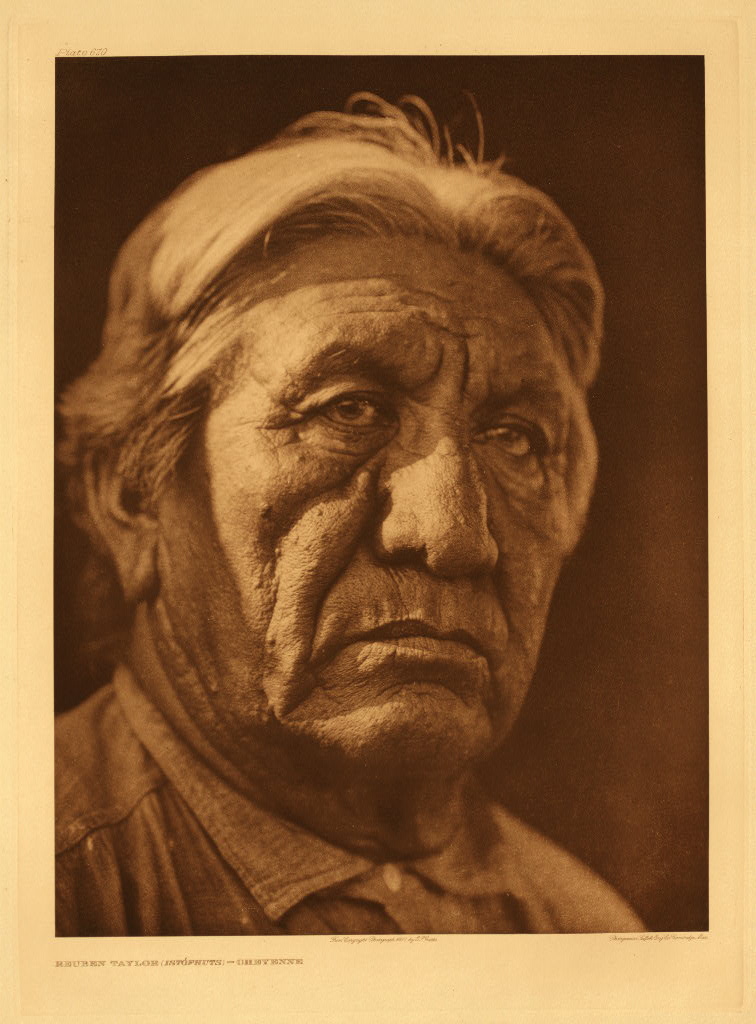
Reuben Taylor
1
plain
2018-03-16T21:12:42-07:00
Curtis, Edward S. 1868-1952
1927
Digital images of the plates supported by an award from the Library of Congress/Ameritech National Digital Library Competition, and mounted in American Memory. See http://memory.loc.gov/ammem/award98/ienhtml/curthome.html
Digital reproduction of the photomechanical print cp19019 - portfolio 19 page plate no. 670 For educational, non-commercial use only. Written permission required for any reproduction beyond fair use. Credit: Northwestern University Library, Edward S. Curtis's "The North American Indian," 2003.
http://digital.library.northwestern.edu/curtis/ The North American Indian (1907-1930) v.19, The Indians of Oklahoma. The Wichita. The southern Cheyenne. The Oto. The Comanche. The Peyote cult ([Seattle] : E.S. Curtis ; [Cambridge, Mass. : The University Press], 1930), plate no. 670 1 photogravure : brown ink ; 45 x 33 cm [plate size]
Original photogravure produced in Cambridge, Mass. by Suffolk Engraving Co. http://curtis.library.northwestern.edu/curtis/info.cgi?id=nai.19.port.00000020 Erik Loyer f862727c4b34febd6a0341bffd27f168a35aa637 -
1
2018-03-16T21:11:11-07:00
Erik Loyer
f862727c4b34febd6a0341bffd27f168a35aa637
Black Belly - Cheyenne
1
The extreme age of this Cheyenne is quite apparent.
plain
2018-03-16T21:11:11-07:00
Curtis, Edward S. 1868-1952
1927
Digital images of the plates supported by an award from the Library of Congress/Ameritech National Digital Library Competition, and mounted in American Memory. See http://memory.loc.gov/ammem/award98/ienhtml/curthome.html
Digital reproduction of the photomechanical print cp19020 - portfolio 19 page plate no. 671 For educational, non-commercial use only. Written permission required for any reproduction beyond fair use. Credit: Northwestern University Library, Edward S. Curtis's "The North American Indian," 2003.
http://digital.library.northwestern.edu/curtis/ The North American Indian (1907-1930) v.19, The Indians of Oklahoma. The Wichita. The southern Cheyenne. The Oto. The Comanche. The Peyote cult ([Seattle] : E.S. Curtis ; [Cambridge, Mass. : The University Press], 1930), plate no. 671 1 photogravure : brown ink ; 45 x 33 cm [plate size]
Original photogravure produced in Cambridge, Mass. by Suffolk Engraving Co. http://curtis.library.northwestern.edu/curtis/info.cgi?id=nai.19.port.00000021 Erik Loyer f862727c4b34febd6a0341bffd27f168a35aa637 -
1
2018-03-16T21:11:11-07:00
Erik Loyer
f862727c4b34febd6a0341bffd27f168a35aa637
Old Cheyenne
1
plain
2018-03-16T21:11:11-07:00
Curtis, Edward S. 1868-1952
1927
Digital images of the plates supported by an award from the Library of Congress/Ameritech National Digital Library Competition, and mounted in American Memory. See http://memory.loc.gov/ammem/award98/ienhtml/curthome.html
Digital reproduction of the photomechanical print cp19021 - portfolio 19 page plate no. 672 For educational, non-commercial use only. Written permission required for any reproduction beyond fair use. Credit: Northwestern University Library, Edward S. Curtis's "The North American Indian," 2003.
http://digital.library.northwestern.edu/curtis/ The North American Indian (1907-1930) v.19, The Indians of Oklahoma. The Wichita. The southern Cheyenne. The Oto. The Comanche. The Peyote cult ([Seattle] : E.S. Curtis ; [Cambridge, Mass. : The University Press], 1930), plate no. 672 1 photogravure : brown ink ; 45 x 34 cm [plate size]
Original photogravure produced in Cambridge, Mass. by Suffolk Engraving Co. http://curtis.library.northwestern.edu/curtis/info.cgi?id=nai.19.port.00000022 Erik Loyer f862727c4b34febd6a0341bffd27f168a35aa637 -
1
2018-03-16T21:11:11-07:00
Erik Loyer
f862727c4b34febd6a0341bffd27f168a35aa637
Old warrior - Arapaho
1
The Arapaho, of Algonquian stock like the Cheyenne, are divided into Northern and a Southern tribe, the former living on the Wind River reservation in Wyoming and the latter on the reservation assigned to them and the Cheyenne in the present Oklahoma in 1867.
plain
2018-03-16T21:11:11-07:00
Curtis, Edward S. 1868-1952
1927
Digital images of the plates supported by an award from the Library of Congress/Ameritech National Digital Library Competition, and mounted in American Memory. See http://memory.loc.gov/ammem/award98/ienhtml/curthome.html
Digital reproduction of the photomechanical print cp19022 - portfolio 19 page plate no. 673 For educational, non-commercial use only. Written permission required for any reproduction beyond fair use. Credit: Northwestern University Library, Edward S. Curtis's "The North American Indian," 2003.
http://digital.library.northwestern.edu/curtis/ The North American Indian (1907-1930) v.19, The Indians of Oklahoma. The Wichita. The southern Cheyenne. The Oto. The Comanche. The Peyote cult ([Seattle] : E.S. Curtis ; [Cambridge, Mass. : The University Press], 1930), plate no. 673 1 photogravure : brown ink ; 45 x 34 cm [plate size]
Original photogravure produced in Cambridge, Mass. by Suffolk Engraving Co. http://curtis.library.northwestern.edu/curtis/info.cgi?id=nai.19.port.00000023 Erik Loyer f862727c4b34febd6a0341bffd27f168a35aa637 -
1
2018-03-16T21:12:43-07:00
Erik Loyer
f862727c4b34febd6a0341bffd27f168a35aa637
Black Man - Arapaho
1
plain
2018-03-16T21:12:43-07:00
Curtis, Edward S. 1868-1952
1927
Digital images of the plates supported by an award from the Library of Congress/Ameritech National Digital Library Competition, and mounted in American Memory. See http://memory.loc.gov/ammem/award98/ienhtml/curthome.html
Digital reproduction of the photomechanical print cp19023 - portfolio 19 page plate no. 674 For educational, non-commercial use only. Written permission required for any reproduction beyond fair use. Credit: Northwestern University Library, Edward S. Curtis's "The North American Indian," 2003.
http://digital.library.northwestern.edu/curtis/ The North American Indian (1907-1930) v.19, The Indians of Oklahoma. The Wichita. The southern Cheyenne. The Oto. The Comanche. The Peyote cult ([Seattle] : E.S. Curtis ; [Cambridge, Mass. : The University Press], 1930), plate no. 674 1 photogravure : brown ink ; 45 x 34 cm [plate size]
Original photogravure produced in Cambridge, Mass. by Suffolk Engraving Co. http://curtis.library.northwestern.edu/curtis/info.cgi?id=nai.19.port.00000024 Erik Loyer f862727c4b34febd6a0341bffd27f168a35aa637 -
1
2018-03-16T21:12:43-07:00
Erik Loyer
f862727c4b34febd6a0341bffd27f168a35aa637
Standing Two - Oto
1
The Oto belong to the great Siouan linguistic family and originally formed, with other tribes, a part of the Winnebago. The typical ceremonial head-dress of the Oto of the present time is shown here and in the nest three plates.
plain
2018-03-16T21:12:43-07:00
Curtis, Edward S. 1868-1952
1927
Digital images of the plates supported by an award from the Library of Congress/Ameritech National Digital Library Competition, and mounted in American Memory. See http://memory.loc.gov/ammem/award98/ienhtml/curthome.html
Digital reproduction of the photomechanical print cp19024 - portfolio 19 page plate no. 675 For educational, non-commercial use only. Written permission required for any reproduction beyond fair use. Credit: Northwestern University Library, Edward S. Curtis's "The North American Indian," 2003.
http://digital.library.northwestern.edu/curtis/ The North American Indian (1907-1930) v.19, The Indians of Oklahoma. The Wichita. The southern Cheyenne. The Oto. The Comanche. The Peyote cult ([Seattle] : E.S. Curtis ; [Cambridge, Mass. : The University Press], 1930), plate no. 675 1 photogravure : brown ink ; 46 x 33 cm [plate size]
Original photogravure produced in Cambridge, Mass. by Suffolk Engraving Co. http://curtis.library.northwestern.edu/curtis/info.cgi?id=nai.19.port.00000025 Erik Loyer f862727c4b34febd6a0341bffd27f168a35aa637 -
1
2018-03-16T21:12:43-07:00
Erik Loyer
f862727c4b34febd6a0341bffd27f168a35aa637
Lone Chief - Oto
1
plain
2018-03-16T21:12:43-07:00
Curtis, Edward S. 1868-1952
1927
Digital images of the plates supported by an award from the Library of Congress/Ameritech National Digital Library Competition, and mounted in American Memory. See http://memory.loc.gov/ammem/award98/ienhtml/curthome.html
Digital reproduction of the photomechanical print cp19025 - portfolio 19 page plate no. 676 For educational, non-commercial use only. Written permission required for any reproduction beyond fair use. Credit: Northwestern University Library, Edward S. Curtis's "The North American Indian," 2003.
http://digital.library.northwestern.edu/curtis/ The North American Indian (1907-1930) v.19, The Indians of Oklahoma. The Wichita. The southern Cheyenne. The Oto. The Comanche. The Peyote cult ([Seattle] : E.S. Curtis ; [Cambridge, Mass. : The University Press], 1930), plate no. 676 1 photogravure : brown ink ; 45 x 33 cm [plate size]
Original photogravure produced in Cambridge, Mass. by Suffolk Engraving Co. http://curtis.library.northwestern.edu/curtis/info.cgi?id=nai.19.port.00000026 Erik Loyer f862727c4b34febd6a0341bffd27f168a35aa637 -
1
2018-03-16T21:12:43-07:00
Erik Loyer
f862727c4b34febd6a0341bffd27f168a35aa637
Wakonda - Oto
1
plain
2018-03-16T21:12:43-07:00
Curtis, Edward S. 1868-1952
1927
Digital images of the plates supported by an award from the Library of Congress/Ameritech National Digital Library Competition, and mounted in American Memory. See http://memory.loc.gov/ammem/award98/ienhtml/curthome.html
Digital reproduction of the photomechanical print cp19026 - portfolio 19 page plate no. 677 For educational, non-commercial use only. Written permission required for any reproduction beyond fair use. Credit: Northwestern University Library, Edward S. Curtis's "The North American Indian," 2003.
http://digital.library.northwestern.edu/curtis/ The North American Indian (1907-1930) v.19, The Indians of Oklahoma. The Wichita. The southern Cheyenne. The Oto. The Comanche. The Peyote cult ([Seattle] : E.S. Curtis ; [Cambridge, Mass. : The University Press], 1930), plate no. 677 1 photogravure : brown ink ; 45 x 33 cm [plate size]
Original photogravure produced in Cambridge, Mass. by Suffolk Engraving Co. http://curtis.library.northwestern.edu/curtis/info.cgi?id=nai.19.port.00000027 Erik Loyer f862727c4b34febd6a0341bffd27f168a35aa637 -
1
2018-03-16T21:12:43-07:00
Erik Loyer
f862727c4b34febd6a0341bffd27f168a35aa637
Pipe-stem - Oto
1
plain
2018-03-16T21:12:43-07:00
Curtis, Edward S. 1868-1952
1927
Digital images of the plates supported by an award from the Library of Congress/Ameritech National Digital Library Competition, and mounted in American Memory. See http://memory.loc.gov/ammem/award98/ienhtml/curthome.html
Digital reproduction of the photomechanical print cp19027 - portfolio 19 page plate no. 678 For educational, non-commercial use only. Written permission required for any reproduction beyond fair use. Credit: Northwestern University Library, Edward S. Curtis's "The North American Indian," 2003.
http://digital.library.northwestern.edu/curtis/ The North American Indian (1907-1930) v.19, The Indians of Oklahoma. The Wichita. The southern Cheyenne. The Oto. The Comanche. The Peyote cult ([Seattle] : E.S. Curtis ; [Cambridge, Mass. : The University Press], 1930), plate no. 678 1 photogravure : brown ink ; 45 x 33 cm [plate size]
Original photogravure produced in Cambridge, Mass. by Suffolk Engraving Co. http://curtis.library.northwestern.edu/curtis/info.cgi?id=nai.19.port.00000028 Erik Loyer f862727c4b34febd6a0341bffd27f168a35aa637 -
1
2018-03-16T21:11:15-07:00
Erik Loyer
f862727c4b34febd6a0341bffd27f168a35aa637
Old Eagle - Oto
1
The head-dress of this Oto is characteristic of the older style, like that worn also by the related Osage in plate 680 and the adopted head-dress of the Comanche in plate 683. The medal worn by Old Eagle, in this case bearing the portrait of Lincoln, is like other medals given by the Government to noted chiefs from Washington's time.
plain
2018-03-16T21:11:15-07:00
Curtis, Edward S. 1868-1952
1927
Digital images of the plates supported by an award from the Library of Congress/Ameritech National Digital Library Competition, and mounted in American Memory. See http://memory.loc.gov/ammem/award98/ienhtml/curthome.html
Digital reproduction of the photomechanical print cp19028 - portfolio 19 page plate no. 679 For educational, non-commercial use only. Written permission required for any reproduction beyond fair use. Credit: Northwestern University Library, Edward S. Curtis's "The North American Indian," 2003.
http://digital.library.northwestern.edu/curtis/ The North American Indian (1907-1930) v.19, The Indians of Oklahoma. The Wichita. The southern Cheyenne. The Oto. The Comanche. The Peyote cult ([Seattle] : E.S. Curtis ; [Cambridge, Mass. : The University Press], 1930), plate no. 679 1 photogravure : brown ink ; 45 x 33 cm [plate size]
Original photogravure produced in Cambridge, Mass. by Suffolk Engraving Co. http://curtis.library.northwestern.edu/curtis/info.cgi?id=nai.19.port.00000029 Erik Loyer f862727c4b34febd6a0341bffd27f168a35aa637 -
1
2018-03-16T21:12:43-07:00
Erik Loyer
f862727c4b34febd6a0341bffd27f168a35aa637
John Abbott - Osage
1
The Osage (corrupted from Whzahzae, their own name) is a Siouan tribe - the wealthiest of all Indians, and probably the richest people in the world, population considered. They are most closely related to the Omaha, Quapaw, Ponca, and Kansa, with whom they once formed a single body.
plain
2018-03-16T21:12:43-07:00
Curtis, Edward S. 1868-1952
1927
Digital images of the plates supported by an award from the Library of Congress/Ameritech National Digital Library Competition, and mounted in American Memory. See http://memory.loc.gov/ammem/award98/ienhtml/curthome.html
Digital reproduction of the photomechanical print cp19029 - portfolio 19 page plate no. 680 For educational, non-commercial use only. Written permission required for any reproduction beyond fair use. Credit: Northwestern University Library, Edward S. Curtis's "The North American Indian," 2003.
http://digital.library.northwestern.edu/curtis/ The North American Indian (1907-1930) v.19, The Indians of Oklahoma. The Wichita. The southern Cheyenne. The Oto. The Comanche. The Peyote cult ([Seattle] : E.S. Curtis ; [Cambridge, Mass. : The University Press], 1930), plate no. 680 1 photogravure : brown ink ; 46 x 34 cm [plate size]
Original photogravure produced in Cambridge, Mass. by Suffolk Engraving Co. http://curtis.library.northwestern.edu/curtis/info.cgi?id=nai.19.port.00000030 Erik Loyer f862727c4b34febd6a0341bffd27f168a35aa637 -
1
2018-03-16T21:12:43-07:00
Erik Loyer
f862727c4b34febd6a0341bffd27f168a35aa637
John Quapaw - Hunta Wakunta
1
The Quapaw are another Siouan tribe, otherwise known as Akansa, from which Arkansas river and state derive their name.
plain
2018-03-16T21:12:43-07:00
Curtis, Edward S. 1868-1952
1927
Digital images of the plates supported by an award from the Library of Congress/Ameritech National Digital Library Competition, and mounted in American Memory. See http://memory.loc.gov/ammem/award98/ienhtml/curthome.html
Digital reproduction of the photomechanical print cp19030 - portfolio 19 page plate no. 681 For educational, non-commercial use only. Written permission required for any reproduction beyond fair use. Credit: Northwestern University Library, Edward S. Curtis's "The North American Indian," 2003.
http://digital.library.northwestern.edu/curtis/ The North American Indian (1907-1930) v.19, The Indians of Oklahoma. The Wichita. The southern Cheyenne. The Oto. The Comanche. The Peyote cult ([Seattle] : E.S. Curtis ; [Cambridge, Mass. : The University Press], 1930), plate no. 681 1 photogravure : brown ink ; 45 x 33 cm [plate size]
Original photogravure produced in Cambridge, Mass. by Suffolk Engraving Co. http://curtis.library.northwestern.edu/curtis/info.cgi?id=nai.19.port.00000031 Erik Loyer f862727c4b34febd6a0341bffd27f168a35aa637 -
1
2018-03-16T21:11:15-07:00
Erik Loyer
f862727c4b34febd6a0341bffd27f168a35aa637
Esipermi - Comanche
1
There were no more vigorous people among the Indians of the Plains than the Comanche, a Shoshonean tribe, related to the Shoshone and Bannock of Idaho, from which region they entered the northern plains and drifted ever southward, following the bison in their wanderings. They were noted warriors and raiders, being the enemies of many tribes and extending their depredations far into Mexico. One need look no farther than the accompanying portraits to discern the warrior character of those old braves.
plain
2018-03-16T21:11:15-07:00
Curtis, Edward S. 1868-1952
1927
Digital images of the plates supported by an award from the Library of Congress/Ameritech National Digital Library Competition, and mounted in American Memory. See http://memory.loc.gov/ammem/award98/ienhtml/curthome.html
Digital reproduction of the photomechanical print cp19031 - portfolio 19 page plate no. 682 For educational, non-commercial use only. Written permission required for any reproduction beyond fair use. Credit: Northwestern University Library, Edward S. Curtis's "The North American Indian," 2003.
http://digital.library.northwestern.edu/curtis/ The North American Indian (1907-1930) v.19, The Indians of Oklahoma. The Wichita. The southern Cheyenne. The Oto. The Comanche. The Peyote cult ([Seattle] : E.S. Curtis ; [Cambridge, Mass. : The University Press], 1930), plate no. 682 1 photogravure : brown ink ; 45 x 33 cm [plate size]
Original photogravure produced in Cambridge, Mass. by Suffolk Engraving Co. http://curtis.library.northwestern.edu/curtis/info.cgi?id=nai.19.port.00000032 Erik Loyer f862727c4b34febd6a0341bffd27f168a35aa637 -
1
2018-03-16T21:11:15-07:00
Erik Loyer
f862727c4b34febd6a0341bffd27f168a35aa637
Lefthand - Comanche
1
plain
2018-03-16T21:11:15-07:00
Curtis, Edward S. 1868-1952
1927
Digital images of the plates supported by an award from the Library of Congress/Ameritech National Digital Library Competition, and mounted in American Memory. See http://memory.loc.gov/ammem/award98/ienhtml/curthome.html
Digital reproduction of the photomechanical print cp19032 - portfolio 19 page plate no. 683 For educational, non-commercial use only. Written permission required for any reproduction beyond fair use. Credit: Northwestern University Library, Edward S. Curtis's "The North American Indian," 2003.
http://digital.library.northwestern.edu/curtis/ The North American Indian (1907-1930) v.19, The Indians of Oklahoma. The Wichita. The southern Cheyenne. The Oto. The Comanche. The Peyote cult ([Seattle] : E.S. Curtis ; [Cambridge, Mass. : The University Press], 1930), plate no. 683 1 photogravure : brown ink ; 45 x 33 cm [plate size]
Original photogravure produced in Cambridge, Mass. by Suffolk Engraving Co. http://curtis.library.northwestern.edu/curtis/info.cgi?id=nai.19.port.00000033 Erik Loyer f862727c4b34febd6a0341bffd27f168a35aa637 -
1
2018-03-16T21:11:15-07:00
Erik Loyer
f862727c4b34febd6a0341bffd27f168a35aa637
Uwat - Comanche
1
plain
2018-03-16T21:11:15-07:00
Curtis, Edward S. 1868-1952
1927
Digital images of the plates supported by an award from the Library of Congress/Ameritech National Digital Library Competition, and mounted in American Memory. See http://memory.loc.gov/ammem/award98/ienhtml/curthome.html
Digital reproduction of the photomechanical print cp19033 - portfolio 19 page plate no. 684 For educational, non-commercial use only. Written permission required for any reproduction beyond fair use. Credit: Northwestern University Library, Edward S. Curtis's "The North American Indian," 2003.
http://digital.library.northwestern.edu/curtis/ The North American Indian (1907-1930) v.19, The Indians of Oklahoma. The Wichita. The southern Cheyenne. The Oto. The Comanche. The Peyote cult ([Seattle] : E.S. Curtis ; [Cambridge, Mass. : The University Press], 1930), plate no. 684 1 photogravure : brown ink ; 45 x 33 cm [plate size]
Original photogravure produced in Cambridge, Mass. by Suffolk Engraving Co. http://curtis.library.northwestern.edu/curtis/info.cgi?id=nai.19.port.00000034 Erik Loyer f862727c4b34febd6a0341bffd27f168a35aa637 -
1
2018-03-16T21:11:15-07:00
Erik Loyer
f862727c4b34febd6a0341bffd27f168a35aa637
A Comanche mother
1
plain
2018-03-16T21:11:15-07:00
Curtis, Edward S. 1868-1952
1927
Digital images of the plates supported by an award from the Library of Congress/Ameritech National Digital Library Competition, and mounted in American Memory. See http://memory.loc.gov/ammem/award98/ienhtml/curthome.html
Digital reproduction of the photomechanical print cp19034 - portfolio 19 page plate no. 685 For educational, non-commercial use only. Written permission required for any reproduction beyond fair use. Credit: Northwestern University Library, Edward S. Curtis's "The North American Indian," 2003.
http://digital.library.northwestern.edu/curtis/ The North American Indian (1907-1930) v.19, The Indians of Oklahoma. The Wichita. The southern Cheyenne. The Oto. The Comanche. The Peyote cult ([Seattle] : E.S. Curtis ; [Cambridge, Mass. : The University Press], 1930), plate no. 685 1 photogravure : brown ink ; 46 x 33 cm [plate size]
Original photogravure produced in Cambridge, Mass. by Suffolk Engraving Co. http://curtis.library.northwestern.edu/curtis/info.cgi?id=nai.19.port.00000035 Erik Loyer f862727c4b34febd6a0341bffd27f168a35aa637 -
1
2018-03-16T21:11:15-07:00
Erik Loyer
f862727c4b34febd6a0341bffd27f168a35aa637
A Comanche
1
plain
2018-03-16T21:11:15-07:00
Curtis, Edward S. 1868-1952
1927
Digital images of the plates supported by an award from the Library of Congress/Ameritech National Digital Library Competition, and mounted in American Memory. See http://memory.loc.gov/ammem/award98/ienhtml/curthome.html
Digital reproduction of the photomechanical print cp19035 - portfolio 19 page plate no. 686 For educational, non-commercial use only. Written permission required for any reproduction beyond fair use. Credit: Northwestern University Library, Edward S. Curtis's "The North American Indian," 2003.
http://digital.library.northwestern.edu/curtis/ The North American Indian (1907-1930) v.19, The Indians of Oklahoma. The Wichita. The southern Cheyenne. The Oto. The Comanche. The Peyote cult ([Seattle] : E.S. Curtis ; [Cambridge, Mass. : The University Press], 1930), plate no. 686 1 photogravure : brown ink ; 45 x 33 cm [plate size]
Original photogravure produced in Cambridge, Mass. by Suffolk Engraving Co. http://curtis.library.northwestern.edu/curtis/info.cgi?id=nai.19.port.00000036 Erik Loyer f862727c4b34febd6a0341bffd27f168a35aa637 -
1
2018-03-16T21:12:43-07:00
Erik Loyer
f862727c4b34febd6a0341bffd27f168a35aa637
Peyote drummer
1
The Peyote rite as practised by the Indians of Oklahoma is described in Volume XIX. No Indian custom has been the subject of greater controversy or has led to the adoption of more laws and regulations with a view of abolishing it, largely because its effects have been misunderstood by white people.
plain
2018-03-16T21:12:43-07:00
Curtis, Edward S. 1868-1952
1927
Digital images of the plates supported by an award from the Library of Congress/Ameritech National Digital Library Competition, and mounted in American Memory. See http://memory.loc.gov/ammem/award98/ienhtml/curthome.html
Digital reproduction of the photomechanical print cp19036 - portfolio 19 page plate no. 687 For educational, non-commercial use only. Written permission required for any reproduction beyond fair use. Credit: Northwestern University Library, Edward S. Curtis's "The North American Indian," 2003.
http://digital.library.northwestern.edu/curtis/ The North American Indian (1907-1930) v.19, The Indians of Oklahoma. The Wichita. The southern Cheyenne. The Oto. The Comanche. The Peyote cult ([Seattle] : E.S. Curtis ; [Cambridge, Mass. : The University Press], 1930), plate no. 687 1 photogravure : brown ink ; 45 x 33 cm [plate size]
Original photogravure produced in Cambridge, Mass. by Suffolk Engraving Co. http://curtis.library.northwestern.edu/curtis/info.cgi?id=nai.19.port.00000037 Erik Loyer f862727c4b34febd6a0341bffd27f168a35aa637