Thanks for your patience during our recent outage at scalar.usc.edu. While Scalar content is loading normally now, saving is still slow, and Scalar's 'additional metadata' features have been disabled, which may interfere with features like timelines and maps that depend on metadata. This also means that saving a page or media item will remove its additional metadata. If this occurs, you can use the 'All versions' link at the bottom of the page to restore the earlier version. We are continuing to troubleshoot, and will provide further updates as needed. Note that this only affects Scalar projects at scalar.usc.edu, and not those hosted elsewhere.
Performing ArchiveMain MenuVisualizing the “Vanishing Race”: the photogravures of Edward S. CurtisFront Page for Visualizing the "Vanishing Race" pathCurtis' Image and Life: The Network of The North American Indian, Inc.An experiment with data visualization approach to understand and contextualize Curtis' images and his lifeMedia, Technology and MediationsCurtis's Technology, Relationships to Media and StyleContextualizing Curtis, The North American Indian, and Racethe collection of essays from the contributorsConsulting with Tribes as Part of Archive DevelopmentIntroduction to Consulting with Tribes by Ulia GosartContributing ArchivesInformation on how to participate in Performing ArchiveBrowsing the MediaA path of paths that allow users to cut through the collection in a variety of ways.Acknowledgements and Project InformationProject NetworkJacqueline Wernimontbce78f60db1628727fc0b905ad2512506798cac8David J. Kim18723eee6e5a79c8d8823c02b7b02cb2319ee0f1Stephan Schonberg23744229577bdc62e9a8c09d3492541be754e1efAmy Borsukc533a79d33d48cbf428e1160c2edc0b38c50db19Beatrice Schustera02047525b31e94c1336b01e99d7f4f758870500Heather Blackmored0a2bf9f2053b3c0505d20108092251fc75010bfUlia Gosart (Popova)67c984897e6357dbeeac6a13141c0defe5ef3403
List of Large Plates Supplementing Volume Fourteen
12018-03-16T21:13:12-07:00Erik Loyerf862727c4b34febd6a0341bffd27f168a35aa637Volume Fourteen Illustrations and Portfolio ImagesErik Loyer1Media Galleriesstructured_gallery2018-03-16T21:13:12-07:00Erik Loyerf862727c4b34febd6a0341bffd27f168a35aa637
Contents of this path:
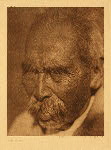
12018-03-16T21:12:21-07:00Erik Loyerf862727c4b34febd6a0341bffd27f168a35aa637Mitat - Wailaki1The Wailaki were a group of loosely connected Athapascan bands occupying the watershed of the North fork of Eel river in northwestern California. About two hundred are now quartered with the Yuki on Round Valley reservation.plain2018-03-16T21:12:21-07:00Erik Loyerf862727c4b34febd6a0341bffd27f168a35aa637
12018-03-16T21:12:21-07:00Erik Loyerf862727c4b34febd6a0341bffd27f168a35aa637Old "Ukiah" - Pomo1The Pomo formerly occupied about half the area of Mendocino, Sonoma, and Lake counties, besides a small isolated territory in Glenn and Colusa. The survivors are found in greatest number in the vicinity of the town of Ukiah. This name, though it is applied to the original portrait as a nickname, is a word of Pomo origin, from yo, south, and kaia, valley.plain2018-03-16T21:12:21-07:00Erik Loyerf862727c4b34febd6a0341bffd27f168a35aa637
12018-03-16T21:12:22-07:00Erik Loyerf862727c4b34febd6a0341bffd27f168a35aa637Hunter - Lake Pomo1The scene is Clear lake. The abundant tules along its shallows formerly supplied the natives with material for house-coverings, mats, garments, and balsas, and sheltered teeming flocks of waterfowl.plain2018-03-16T21:12:22-07:00Erik Loyerf862727c4b34febd6a0341bffd27f168a35aa637
12018-03-16T21:12:22-07:00Erik Loyerf862727c4b34febd6a0341bffd27f168a35aa637Burden-basket - Pomo1With her basket supported bya tump-line passing across her head, and with seed-beater in hand, this capable matron is ready for a day in the fields harvesting wild seeds, which she will parch and crush into a nutritious and appetizing meal known by the Mexican name pinole.plain2018-03-16T21:12:22-07:00Erik Loyerf862727c4b34febd6a0341bffd27f168a35aa637
12018-03-16T21:12:22-07:00Erik Loyerf862727c4b34febd6a0341bffd27f168a35aa637On the shores of Clear Lake1plain2018-03-16T21:12:22-07:00Erik Loyerf862727c4b34febd6a0341bffd27f168a35aa637
12018-03-16T21:12:22-07:00Erik Loyerf862727c4b34febd6a0341bffd27f168a35aa637Summer camp - Lake Pomo1Except that it was larger and rather more substantial, the winter house of the Lake Pomo was identical with its tule-covered framework of willow poles.plain2018-03-16T21:12:22-07:00Erik Loyerf862727c4b34febd6a0341bffd27f168a35aa637
12018-03-16T21:12:22-07:00Erik Loyerf862727c4b34febd6a0341bffd27f168a35aa637Gathering tules - Lake Pomo1The round-stem tule, Scirpus lacustris, was used principally for thatching houses, for making mats by stringing them laterally on parallel cords, and, securely lashed together in long bundles, in the construction of serviceable and quickly made canoes.plain2018-03-16T21:12:22-07:00Erik Loyerf862727c4b34febd6a0341bffd27f168a35aa637
12018-03-16T21:12:22-07:00Erik Loyerf862727c4b34febd6a0341bffd27f168a35aa637Pomo girl1Clam-shell beads of the kind here shown are still made by some of the old men. Fragments of shell are pierced and strung on a stem of the scouring-rush (Equisetum), which is then drawn backward and forward on a flat surface of sandstone until the fragments have become nearly circular. The feathered ornament is an ear-pendant, which in this case, because of its length and weight, is attached to a strand of hair. The large, dark-colored bead on one strand of the necklace is a cylinder of magnesite, a highly valued objectplain2018-03-16T21:12:22-07:00Erik Loyerf862727c4b34febd6a0341bffd27f168a35aa637
12018-03-16T21:12:23-07:00Erik Loyerf862727c4b34febd6a0341bffd27f168a35aa637Pomo seed-gathering utensils1The group includes a tight-mesh burden-basket for seeds, an open-mesh burden-basket for acorns and other nuts, two winnowing trays, and a seed-beater with which the seeds are brushed from the plant into the burden-basket.plain2018-03-16T21:12:23-07:00Erik Loyerf862727c4b34febd6a0341bffd27f168a35aa637
12018-03-16T21:12:23-07:00Erik Loyerf862727c4b34febd6a0341bffd27f168a35aa637Pomo baskets, mortar, and pestle1plain2018-03-16T21:12:23-07:00Erik Loyerf862727c4b34febd6a0341bffd27f168a35aa637
12018-03-16T21:12:23-07:00Erik Loyerf862727c4b34febd6a0341bffd27f168a35aa637Fishing camp - Lake Pomo1Large quantities of species locally called black-fish are still taken annually by the Lake Pomo. The fish are split down the back, and after the removal of backbone, head, and entrails, are hung on pole racks to dry in the sun for about two weeks, after which they are thoroughly cured in smoke-houses. Tule huts are not now seen, the one here shown having been built especially for the occasion.plain2018-03-16T21:12:23-07:00Erik Loyerf862727c4b34febd6a0341bffd27f168a35aa637
12018-03-16T21:12:23-07:00Erik Loyerf862727c4b34febd6a0341bffd27f168a35aa637Canoe of tules - Pomo1In an emergency a craft even more simple than this was made by fashioning a long bundle of tules, which the boatman rode astride with his legs in the water.plain2018-03-16T21:12:23-07:00Erik Loyerf862727c4b34febd6a0341bffd27f168a35aa637
12018-03-16T21:12:23-07:00Erik Loyerf862727c4b34febd6a0341bffd27f168a35aa637Wappo1The Wappo were a Yukian group occupying a detached area in the northeastern corner of Sonoma county. Only a small band survive in Alexander valley near Healdsburg.plain2018-03-16T21:12:23-07:00Erik Loyerf862727c4b34febd6a0341bffd27f168a35aa637
12018-03-16T21:12:23-07:00Erik Loyerf862727c4b34febd6a0341bffd27f168a35aa637Otila - Maidu1Otila, otherwise Jack Franco, was the principal source of information regarding the Maidu. Born at the important village Michopdo in the lowlands of Sacramento river about he year 1845, as a young boy he experienced the untainted native life before the influx of miners and settlers proved the undoing of the Indians. As a youth he rode the range for General John Bidwell, and his old age he has spent in company with a small group of his people on the Bidwell ranch at Chico.plain2018-03-16T21:12:23-07:00Erik Loyerf862727c4b34febd6a0341bffd27f168a35aa637
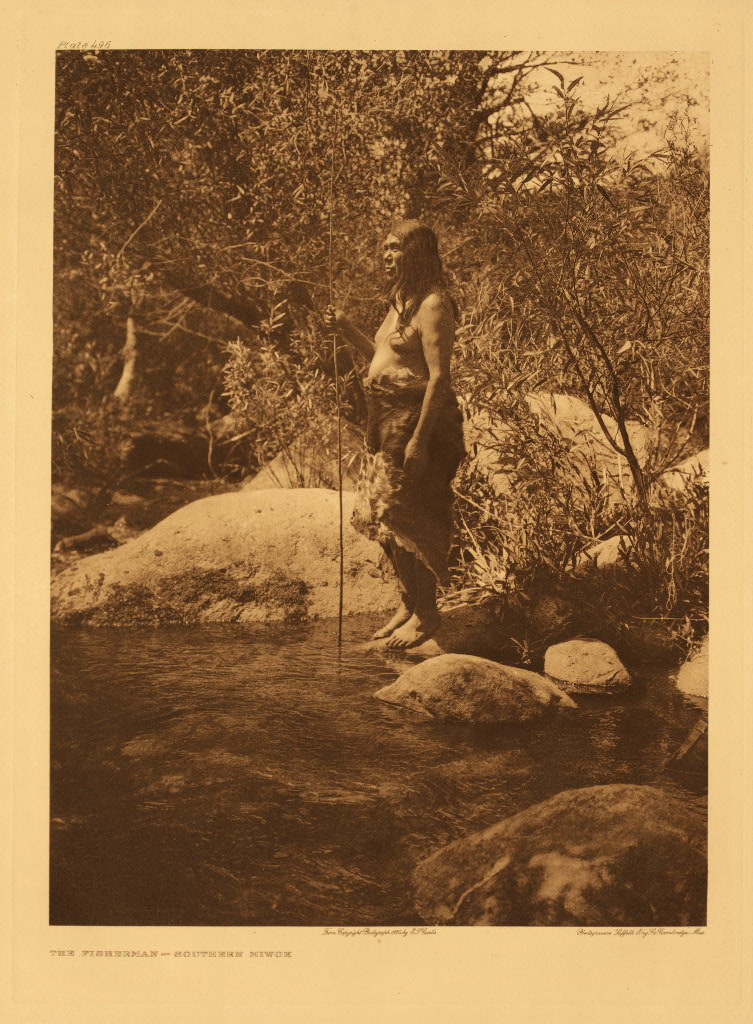
12018-03-16T21:12:24-07:00Erik Loyerf862727c4b34febd6a0341bffd27f168a35aa637Fishing-pool - Southern Miwok1Besides a small district at the southern end of Clear lake, and larger territory that included all of Marin and a part of Sonoma county, Miwok Indians occupied the western slope of the Sierra Nevada from the summit to the San Joaquin plain, and from Fresno river in the south to Cosumnes river in the north. The higher regions are veined with brawling mountain brooks, which converge into such larger streams as Merced, Tuolumne, Stanislaus, Calaveras, adm Mokelumne. Yosemite and many of the sequoia groves lie in Miwok territorplain2018-03-16T21:12:24-07:00Erik Loyerf862727c4b34febd6a0341bffd27f168a35aa637
12018-03-16T21:11:13-07:00Erik Loyerf862727c4b34febd6a0341bffd27f168a35aa637Chukchansi Yokuts1The Chukchansi, one of the northern divisions of the Yokuts, occupied the headwaters of Fresno river and the northern tributaries of the San Joaquin, in Madera county, California.plain2018-03-16T21:11:13-07:00Erik Loyerf862727c4b34febd6a0341bffd27f168a35aa637
12018-03-16T21:12:24-07:00Erik Loyerf862727c4b34febd6a0341bffd27f168a35aa637Yauelmani Yokuts1The Yauelmani formerly lived in the plains north of Kern lake. The survivors are on Tule River reservation in Tulare county.plain2018-03-16T21:12:24-07:00Erik Loyerf862727c4b34febd6a0341bffd27f168a35aa637
12018-03-16T21:12:24-07:00Erik Loyerf862727c4b34febd6a0341bffd27f168a35aa637Art as old as the tree - southern Yokuts1plain2018-03-16T21:12:24-07:00Erik Loyerf862727c4b34febd6a0341bffd27f168a35aa637
12018-03-16T21:12:24-07:00Erik Loyerf862727c4b34febd6a0341bffd27f168a35aa637Rattlesnake design in Yokuts basketry1Basketry was the principal, and remains the only, manufacturing industry of the Yokuts. Both the coiled and the twined process are followed, but the better baskets, and by far the greater number, are coiled. The examples shown in the plate are coiled, and of the kind used for cooking liquid foods by means of heated stones.plain2018-03-16T21:12:24-07:00Erik Loyerf862727c4b34febd6a0341bffd27f168a35aa637
12018-03-16T21:12:24-07:00Erik Loyerf862727c4b34febd6a0341bffd27f168a35aa637By the pool - Tule River Reservation1plain2018-03-16T21:12:24-07:00Erik Loyerf862727c4b34febd6a0341bffd27f168a35aa637
12018-03-16T21:12:25-07:00Erik Loyerf862727c4b34febd6a0341bffd27f168a35aa637Quiet waters - Tule River Reservation1Tule River reservation, a tract of nearly fifty thousand acres on the edge of the foothills of the Sierra Nevada in Tulare county, is the home of about a hundred and fifty Indians, practically all of whom are members of the Yokuts family. Only a small portion of the reservation is suited to agriculture.plain2018-03-16T21:12:25-07:00Erik Loyerf862727c4b34febd6a0341bffd27f168a35aa637
12018-03-16T21:12:25-07:00Erik Loyerf862727c4b34febd6a0341bffd27f168a35aa637Yaundanchi Yokuts woman1The Yaudanchi formerly controlled the territory about the headwaters of Tule river in Tulare county, including the present Tule River reservation, where the survivors are quartered.plain2018-03-16T21:12:25-07:00Erik Loyerf862727c4b34febd6a0341bffd27f168a35aa637