Thanks for your patience during our recent outage at scalar.usc.edu. While Scalar content is loading normally now, saving is still slow, and Scalar's 'additional metadata' features have been disabled, which may interfere with features like timelines and maps that depend on metadata. This also means that saving a page or media item will remove its additional metadata. If this occurs, you can use the 'All versions' link at the bottom of the page to restore the earlier version. We are continuing to troubleshoot, and will provide further updates as needed. Note that this only affects Scalar projects at scalar.usc.edu, and not those hosted elsewhere.
James Lee Dickey: An Analysis of One African-American's Leadership in Jim Crow TexasMain MenuJames Lee Dickey: An Analysis of One African American's Leadership in Jim Crow TexasIntroductionSlave No MoreFreedman after Bondage 1865 - 1955African American LeadershipContenders for the TitleJames Lee DickeyThe Leadership of James Lee DickeyLocations in Dr. James Lee Dickey's StoryGoogle locations for Dr. Dickey's BiographyMaureen Grayab288c53aefb942d3e6102c32f4d6e3a10268d3b
Inspiration
1media/industrial education.jpeg2018-02-03T15:25:37-08:00Maureen Grayab288c53aefb942d3e6102c32f4d6e3a10268d3b1970119Dr. Dickey finds his calling while teaching Industrial Artsimage_header2018-06-17T23:54:13-07:00Maureen Grayab288c53aefb942d3e6102c32f4d6e3a10268d3bUpon graduation, James joined the faculty of Booker T. Washington School, a newly constructed colored high school in Marlin, Texas, teaching Industrial Arts. James quickly realized it was not his calling. He had found a new passion while boarding with Dr. and Mrs. A. L. Hunter. Dr. Hunter’s successful clinic was typical of African-American medical practices in the early twentieth century in which the physician dedicated a portion of his personal residence as an office. Since most African-Americans associated hospitals with death, they would sooner seek medical advice in the comfort of a home than in a medical office. Dr. Hunter was an alumnus of the Meharry Medical Department of Central Tennessee College in Nashville, Tennessee. Central Tennessee was another example of an HBCU established with the assistance of the Methodist church to help educate freed slaves and their descendants. In 1915, Meharry was chartered as a separate medical school creating the first medical school for African Americans in the South. By the end of the school year, James Dickey had decided to be a doctor.

This page has paths:
12018-03-29T04:07:38-07:00Maureen Grayab288c53aefb942d3e6102c32f4d6e3a10268d3bLocations in Dr. James Lee Dickey's StoryMaureen Gray4Google locations for Dr. Dickey's Biographygoogle_maps2018-10-04T17:29:03-07:00Maureen Grayab288c53aefb942d3e6102c32f4d6e3a10268d3b
1media/James Lee Dickey.pngmedia/dicky_award1ps-copy_compressed.jpg2018-03-07T02:25:35-08:00Maureen Grayab288c53aefb942d3e6102c32f4d6e3a10268d3bJames Lee DickeyMaureen Gray13image_header7105102018-09-20T04:59:35-07:00Maureen Grayab288c53aefb942d3e6102c32f4d6e3a10268d3b
This page references:
12018-03-27T15:47:39-07:00Hunter Clinic2The home and clinic of Dr. A. L. Hunter. Dr. Hunter provided care to African Americans until 1964.media/Hunter Clinic Marlin.jpgplain2018-03-27T15:49:02-07:00
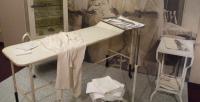
12018-03-27T16:27:15-07:00Early Medical Exam Room1media/Medical Clinic.jpgplain2018-03-27T16:27:15-07:00
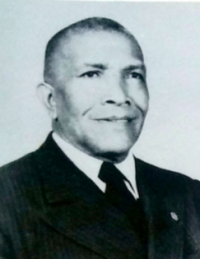
12018-02-03T15:28:55-08:00Dr. A. L. Hunter1young James' mentormedia/Cropped Dr. A. L. Hunter.pngplain2018-02-03T15:28:55-08:00