instagramstats
1 2016-06-09T16:40:55-07:00 Ebony Paramo dca8ce0b7a38097adb1b511e4c75690f833171f0 8877 1 plain 2016-06-09T16:40:55-07:00 Ebony Paramo dca8ce0b7a38097adb1b511e4c75690f833171f0This page is referenced by:
-
1
media/maxresdefault2.jpg
2016-06-07T05:26:02-07:00
The Fight to End Food Deserts
13
image_header
2016-06-09T16:45:18-07:00
With the availability of digital resources and social media, social movements can take root quickly and are able to gain a widespread audience. Unfortunately, simply because an item exists and is available to the masses, does not mean that every person on earth has access to it. Digital technology is no exemption, and during this quarter Chicano 191 class learned that this situation is prevalent with communities of color. Knowing this, we in the twenty-first century can move past the so-called victimization narrative, and use to to tackle to divide that exists digitally and physically.
Acknowledging that black, brown and many more communities of color are susceptible to digital inequality as we are susceptible to offline inequality, this project seeks to focus on how the #GangstaGardener hashtag utilized in new media, along with active participation from volunteers, changes the narrative of ethnic individuals from "impacted" to "impacted through change of". Works from academic scholars ranging from Yarimar Bonilla and Jonathan Rosa to Michelle M. Wright will help demonstrate how race impacts digital participation and digital engagement in social movements.
This decade is witness to many social movements that give glimpse of experiences people encounter. From #YesAllWomen to #IceBucketChallenge to #OscarsSoWhite, hashtag use expanded the purpose of social media and of the digital world as a whole. No longer is it simply used to remain in contact with family, friends and colleagues that may not be in our lives anymore; new media use allows everyone with access to them to be a reporter, notifying the masses of what is going on in their neighborhoods. It is as if the former pound sign was given a new meaning other than a numerical symbol. People are not numbers anymore, indifferent and/or insignificant. The pound sign turned hashtag is a conversation starter, a marker of matters of importance. The hashtag #GangstaGardener is an example of this, and though it may be referring to one individual, this social movement is everything but a one man show. This sign empowers citizens to be agents of change in their communities, to challenge the norm that exists in our society, as Ron Finley did when he found his calling in gardening.
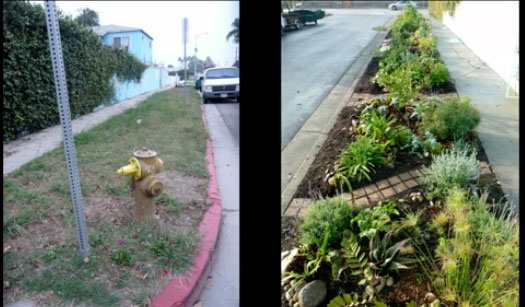
Growing up in South Central Los Angeles and witnessing the lack of fresh produce in the area, Los Angeles-based fashion designer and blaxploitation poster collector, Ron Finley, set to change that with nothing more than a neglected curbside strip of land in front of his house, seeds, and a desire to know where his food came from. He decided to not be like plants, rooted in the ground and unable to dictate what occurs in the ground around them. The inaccess of something stirs initiative to create access to that which people do not have. In 2010, Finley set out to make that change. He is what he refers to himself as a "Gangsta Gardener", not because of any dangerous or illegal activities he does while gardening. The fashion designer regards community building as 'gangsta', and especially important is maintaining and claiming ownership of the gardens created whether by him, his team, and/or neighborhood residents. Thus, #GangstaGardening came into existence. This movement seeks to replace food deserts, or urban areas where it is difficult to purchase fresh, good quality food, with food oases where individuals will have ready access and security to nutritious healthy foods. Food deserts definitely represent racial matters, as poor people of color dwell in these spaces. There is plenty of food for them, but none of it is healthy and generally comes from the local fast food restaurants and liquor markets. People of color are divided from the mainstream healthy eating; hopefully the digital divide does not obstruct this movement and instead help it achieve food oases from South Central LA, and many other communities of all socioeconomic statuses.
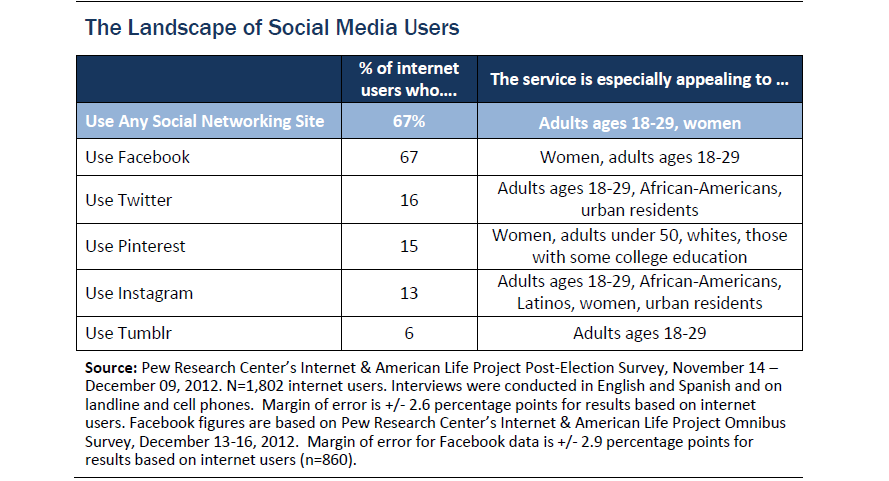
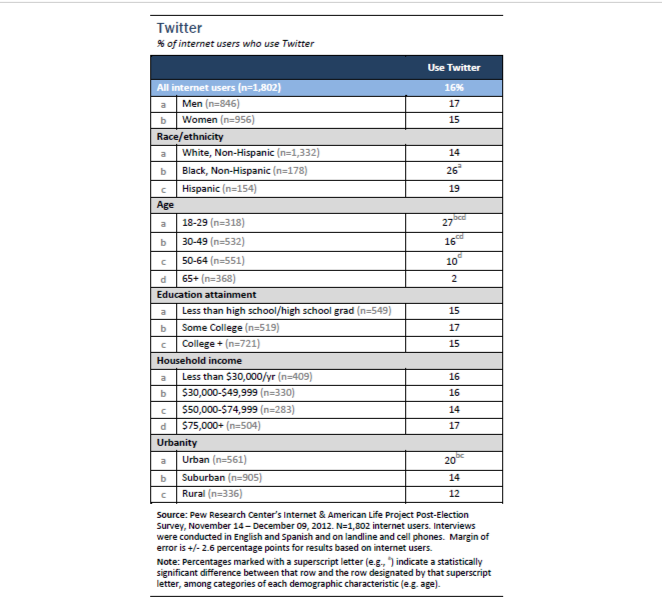
Although, the #GangstaGardener is not a large social movement, it is one in the making. There is a booming presence on social media, the hashtag is used in Instagram, and especially in Twitter where there is a large audience that identifies as urban residents. Food deserts are prevalent in urban areas, and therefore is a topic of interest for Twitter users. The Demographics on Social Media Users released in 2012 by the Pew Research Center provides the percentages of internet users active on these social media sites (Twitter with 16% and Instagram with 13%). While there is more activity and widespread view of the hashtag #GangstaGardener on Twitter, media bridging helps to amplify the social movement, and permits activism both behind the screen and behind the curbside dirt strips on sidewalks.