Scalar's 'additional metadata' features have been disabled on this install. Learn more.
Race and the Digital: Racial Formation and 21st Century Technologies
Main Menu
"From Tweets to Streets?" A Research Project with Digital Supplement
"The Digital Divide" Research Projects
Race and the Digital Blog
Intersectionality and Tagging
Course Syllabus
Syllabus for Race and the Digital at UCLA
Statement of Values: Digital Ethnic Studies
Contributors' Portfolios
About "Race and the Digital"
Genevieve Carpio
cbaef6f4fe1847cc774ee8ef5c2d6efb0a58fda3
Kid Comet
b62a4423d252f961609f416b7188ffbc7d84a7d3
Yesenia Melgoza-Fernandez
a6a8d8933b14c7be3a522d5102f92c9dfe52e9b2
Michie Ortiz
25daabac1577ec1d12a68b2c0b0a15c4dba1374b
Eduardo D. Garcia
6e60d0784abf2b990f3510cceb60101259a8bdd3
Alan Evangelista
f3e41e7c002a037bb13d71a1e837eb5bf5bef12f
Ana Victoria H.
37ae5307effd9bccccea4f0fe7958d15cee30e07
Arturo Sotelo
38025c1bb15e36f2beff44b22df47fac513c339f
aa
de8e08161ecdfbe4206b74479dee1c1d007a58c4
Ashley Martinez-Munoz
a5a71a08c4c1c5dc7904ffcbc148c4f2edb1e723
Ebony Paramo
dca8ce0b7a38097adb1b511e4c75690f833171f0
2007
1 2016-06-09T02:01:32-07:00 aa de8e08161ecdfbe4206b74479dee1c1d007a58c4 8877 1 plain 2016-06-09T02:01:33-07:00 aa de8e08161ecdfbe4206b74479dee1c1d007a58c4This page is referenced by:
-
1
2016-06-05T13:11:54-07:00
A Thorough Analysis
6
Answer assignment question
plain
2016-06-11T18:37:31-07:00
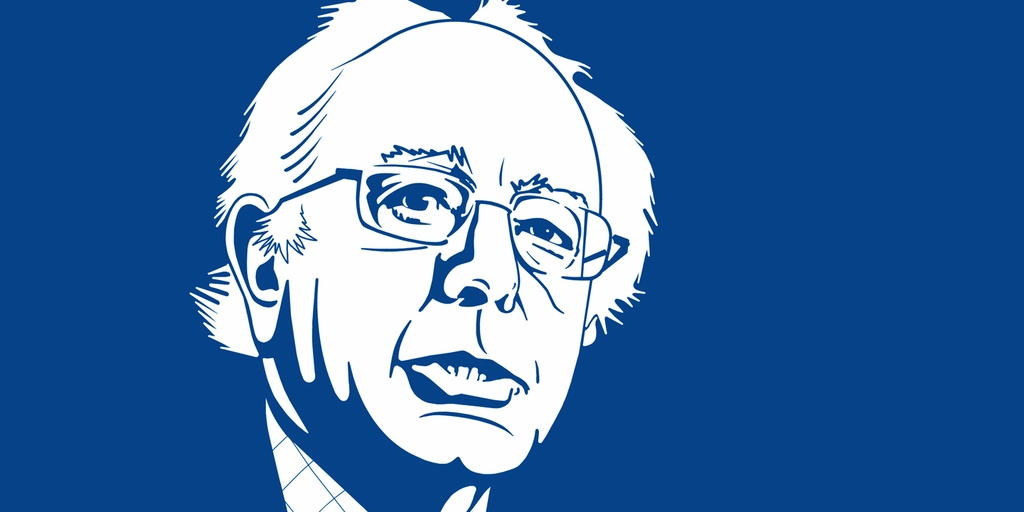
One thing that can be said about the President Race of 2016, is that there has never been one like this before. A woman, a business man, and a crazy old white guy are running for the position of President. So it came to many a surprise when people supported the "crazy old white" guy. However, the reason so many people support him and this movement is because he represents "hope" at a time when many feel oppressed and marginalized in a community that privileges white, males against anyone else.Socially Acceptable
It's no surprise that Bernie has continued on (and strong) in the race, and that's all because of social media. Often times, movements require social media to develop and grow. As previously mentioned, Bernie was and is being under represented and censored from the media. This is similar to the situation that occurred in MacArthur Park, where police disrupted a peaceful rally and attacked civil activists. At first, the media highlighted and pointed out the injustice ways the police behaved. However, very soon, the tune and attitude of the media changed, the media went on to dehumanize the protesters and even continued on to make it seem that the protesters gave the police a just reason to act the way they did (Costanza Chock 73). Old media (television, newspapers, radio) went on to change the face of the event that had transpired, because it went against their "values" or who they represented. In fact, this is often the case, the media instead of giving the true story, will frighten the viewer with ridiculous stories of barbaric immigrants causing damage. But by hiding the truth, the media is covering for the corporate sectors and reinforcing a hegemonic hierarchy that oppresses certain groups.
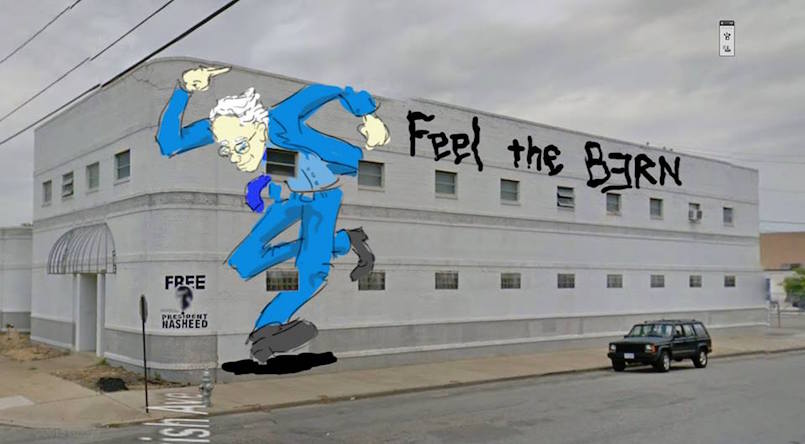
Most of the content that has been used for the presidential campaign of Bernie Sanders has been designed by ordinary civilians. As with any social movement, once people begin to generate content for rallies, events, or anything in general it will lead to a growing number of supporters and people who will become actively involved. By creating content such as shirts or posters for rallies that aims to help Bernie Sanders in his presidential campaign, it creates awareness and a presence in the community.Hashtag, Hashtag, Hashtag
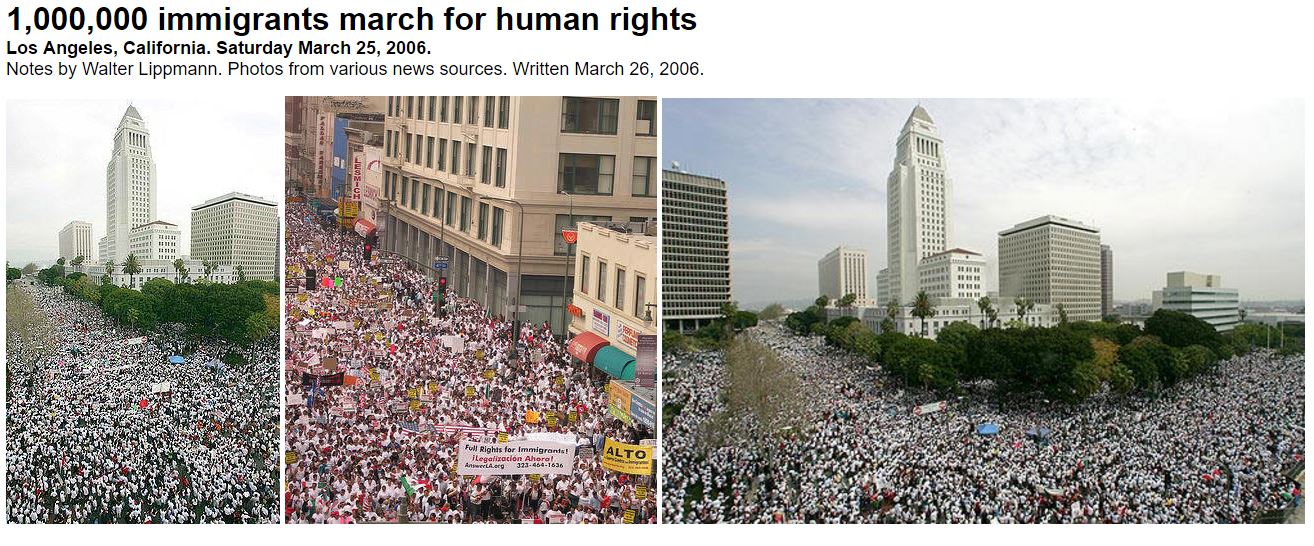
Hashtags that I chose to explore to better understand and appreciate the social media aspect of the Bernie Sanders movement were #bernieorbust, #feelthebern #bernthemedia #berniemademewhite #stillsanders. These hashtags are imperative in establishing a hashtag ethnography that allows anyone to study these hashtags in order to get a better understanding of the movement. As Bonilla mentioned in her article "#Ferguson", Twitter is an important platform for activism. Although it is digital, the intent is a supplement that enhances the physical "real" activism. Hashtags are most commonly used in Twitter to produce conversations and get people organized. Both Constanza-Chock and Bonilla could argue that activism on the digital world generates as much (or even more) awareness and productivity as the real world. As it was debated in class, "clicktivism" or digital activism supplements the real world activism as a means to reach people from all over for a common cause. But as times are changing and more people are becoming involved with the web, there's a chance that the digital activism will have as much as an impact as bodies on the street, like on May Day 2006.
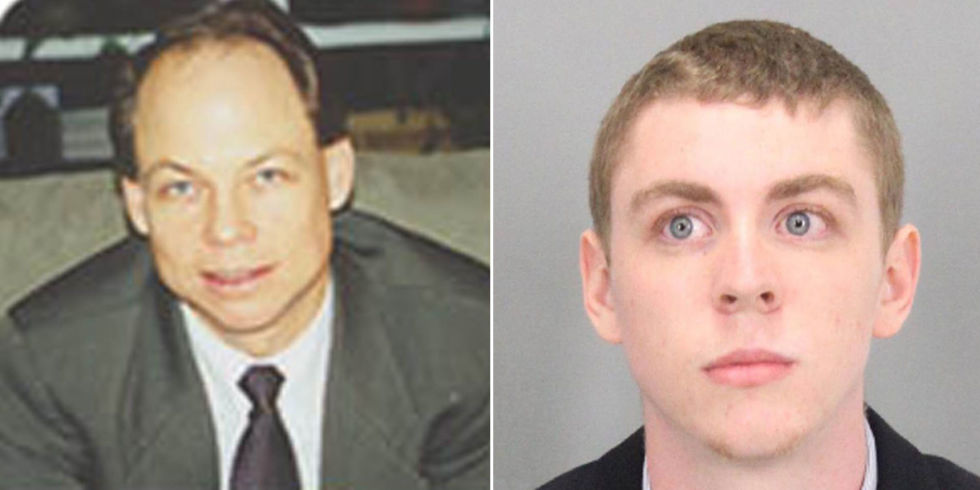
Because of the digital divide, there aren't many members from ethnic groups online. However, for those who are online, they are making their presence known. For example, Gray's article "Intersecting Oppressions and Online Communities" focuses on the barriers and obstacles people of color (especially women) must overcome in order to not get talked down upon or mistreated online. This can also be seen in the Sanders' movement, where people are reclaiming their identities through the hashtag #berniemademewhite. This hashtag was created shortly after Bernie won Hawaii, a highly diverse state, but where the news media claimed it was a predominantly white state. And this was a pattern with the media, where they claimed that Bernie was winning only white votes, and not people of color's. Of course, this misinformation and ill reporting caused an uproar and led people to post pictures of themselves showing how "white" they truly are.