Scalar's 'additional metadata' features have been disabled on this install. Learn more.
Agency through Otherness: Portraits of Performers in Circus Route Books, 1875-1925Main MenuIntroductionIntroduction to the book and information about ways to navigate the content.The American Experiment: Circus in ContextCircus performers and American history timelineRouting the Circus: The Things They CarriedCircus Routes Map, 1875-1925Ethnological Congresses and the Spectacleby Rebecca FitzsimmonsOutsiders in Demand: Chinese and Japanese Immigrant Performersby Angela Yon and Mariah WahlShattering Gender Roles: Women in the Circusby Elizabeth HarmanSide Show Sounds: Black Bandleaders Respond to ExoticismAnnexed Circus Musicians by Elizabeth C. HartmanNative Performance and Identity in The Wild West Showby Mariah WahlShowmen's Rests: The Final CurtainCircus Cemetery Plots by Elizabeth C. HartmanList of PerformersPerformers covered in this exhibitBibliography & Further ReadingsBibliography and readings for each chapterAcknowledgmentsCreative Commons LicenseAngela Yon72f2fd7a28c88ceeba2adcf2c04fee469904c6f1
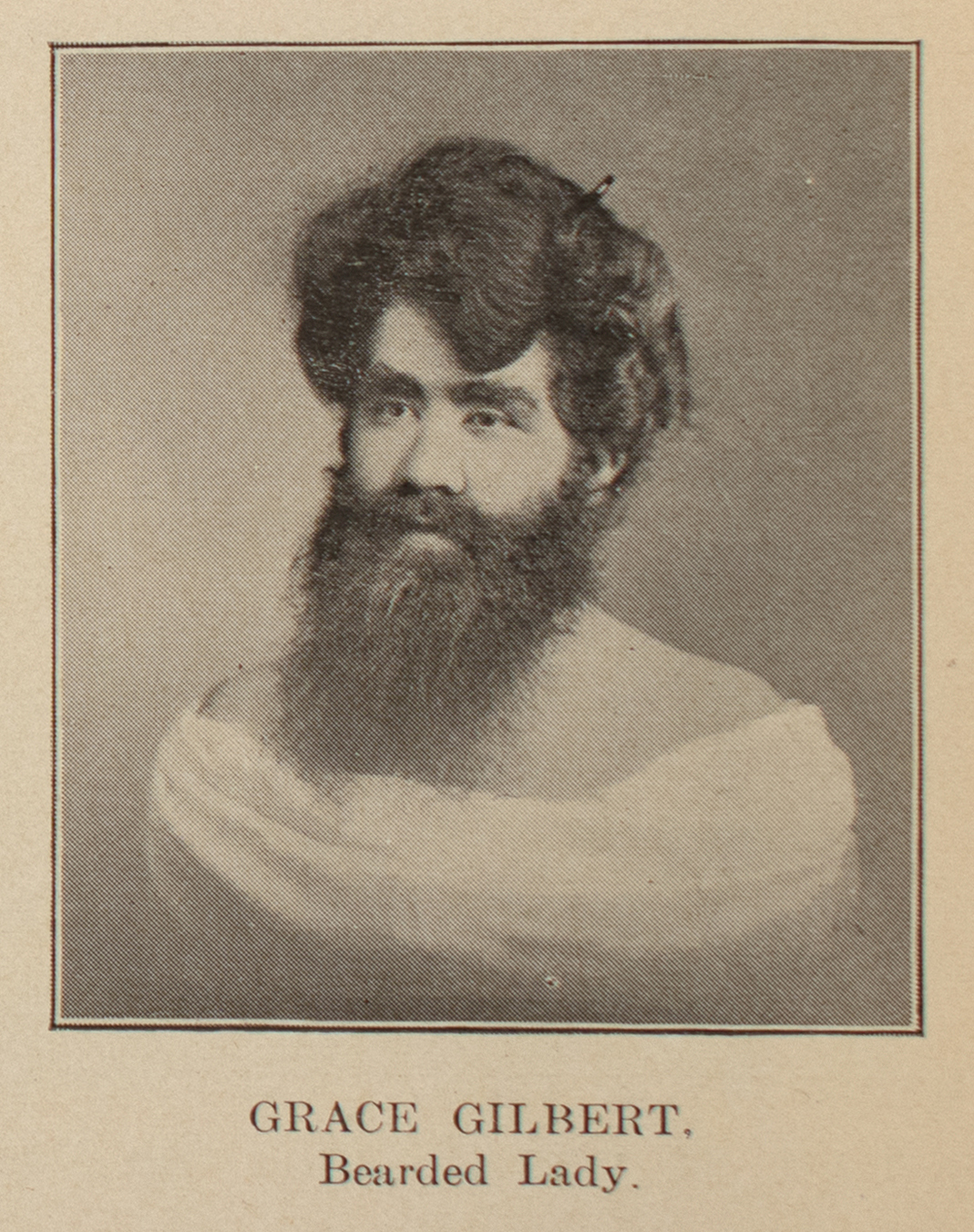
Another example of how much women were capable of even within the circus was Grace Gilbert. Known for her auburn beard, she joined Ringling Bros. circus in 1901 and was quickly ‘stolen’ by Barnum and Bailey to replace Annie Jones after she had passed. Taking on such a big role by filling Annie’s shoes could not have been an easy feat, but Grace quickly made a name for herself. Rather than just working in the side show and presenting her womanliness, it is said that Grace used her strength and worked with other laborers helping with the set up and tents. 13 This was so outlandish to others that her gender was often questioned, reaching a point where she actually retired for a time due to the speculation before returning to exhibit once more. Similar to Annie, she died rather young of a sudden illness before reaching the age of 50.