Voices of Defiance
Music has played an important role in the Woman, Life, Freedom uprising, serving as not only as a way for individuals to express themselves but as a tool of resistance. From dancing to traditional songs and “gher-ing” at mehmoonis to singing rap, music has been both a voice for the voiceless and a provoking “dare” in a way to the oppressive Iranian regime. Iranian rap, has become an influential element in expressing the frustrations and aspirations of Gen Z. One artist who epitomizes this is Toomaj Salehi, whose music has gained quite a bit of attention with the uprising.
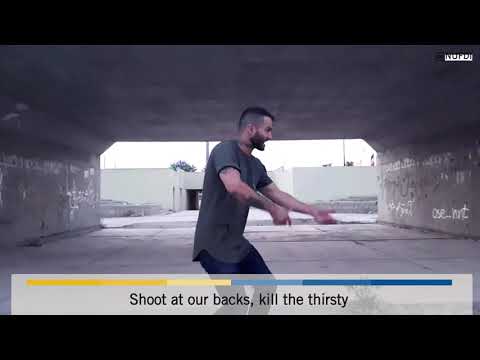
Toomaj Salehi, an Iranian rapper, of Bakhtiari Lur origin gained significant media attention for his criticism of the Iranian regime through his music. His music is a blend of anger and a call for action. His music has hit many deep and hard and become an anthem of sorts to the Gen Z generation, who is fed up with systemic repression, and taking action. His songs, most notably "Soorakh Moosh" (Mouse Hole), explicitly critique the Iranian government's authoritarianism, the economic hardships endured by the people, and the lack of fundamental freedoms, including the rights of women.
Rap is a genre rooted in protest and self-expression, and it has become a popular of resistance in Iran. Its ability to convey complex social and political messages through catchy lyrics and beats has made it widespread enough for the regime to notice and take action. Salehi’s lyrics reflect the anger and defiance of Gen Z. His music embodies a revolution against not just the regimes “islamic law” but also against the silence imposed on everyday Iranians who yearn for change.
In "Soorakh Moosh," for instance, the title itself is calling out and warning the Islamic regime and its supporters to buy "Soorakh Moosh" (mouse hole) or a place to hide. This song is symbolic of how music can articulate a collective frustration, functioning as both a rallying cry for protestors and a condemnation of the regime’s abuses. In the face of severe crackdowns on free speech, Salehi uses his music to “talk back” to the regime as a collective voice for those who cannot voice their concerns and those who are voiceless now at the hands of the regime.
- MJ
This page has paths:
- Soundtracking Woman Life Freedom Hatcher Stanford
- MJ MJ