Faith and Power
The relationship between Iran, Islam, and revolution has been a defining feature of the country's historical and political development. The Constitutional Revolution of 1905-1911 and the 1979 Islamic Revolution stand as monumental moments, each reflecting a unique convergence of political, social, and religious forces. By comparing these two revolutions, it becomes evident how Iran's struggles for sovereignty, justice, and identity have shaped its modern history.
The Constitutional Revolution was a seminal moment in Iran's history, where political, social, and religious forces united to challenge the absolute authority of the Qajar monarchy. According to Ervand Abrahamian in A History of Modern Iran, the roots of this revolution lay in the increasing influence of Western powers during the 19th century, which fractured Iranian society in two significant ways. Firstly, it united the bazaars and religious notables, creating a traditional middle class that opposed both the monarchy and foreign intervention. Secondly, it gave rise to a new intellectual class that embraced liberalism, nationalism, and socialism. Together, these groups demanded a constitutional monarchy, political reforms, and institutions to limit the authority of the monarch.
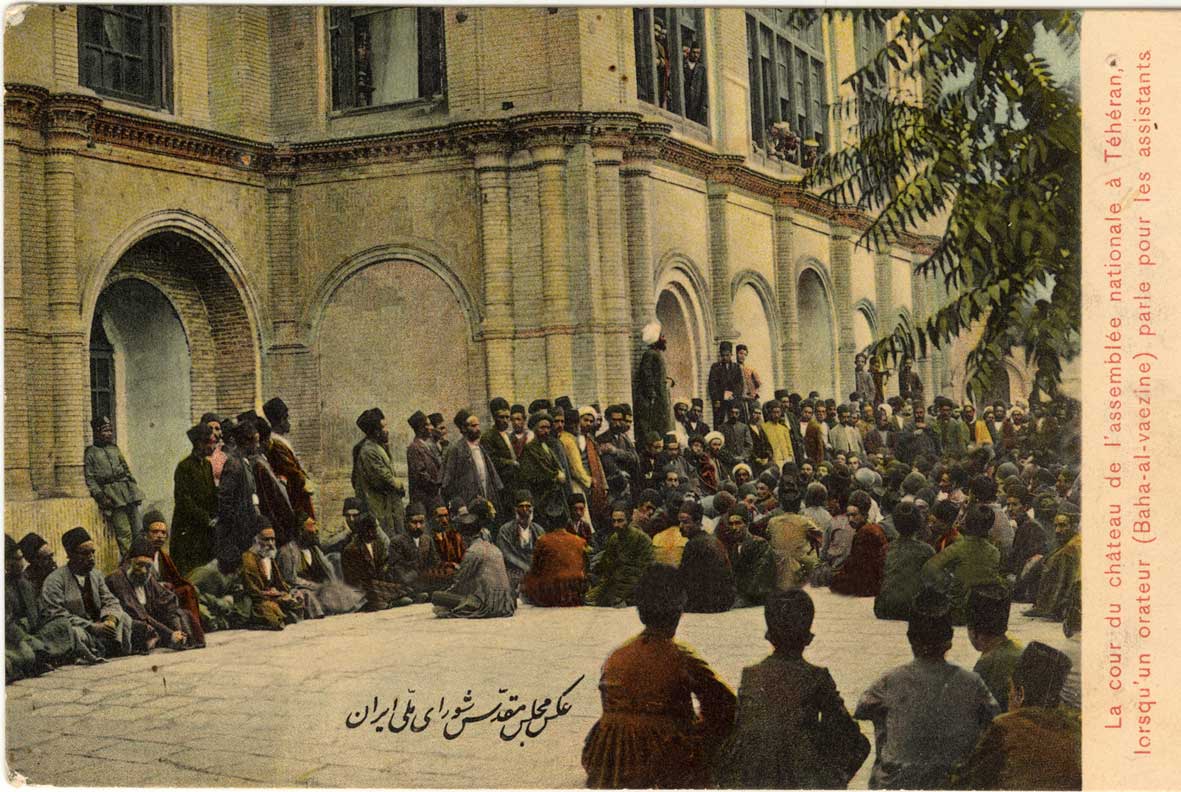
While religion played a role in mobilizing support, the revolution primarily sought political reform. Clerics worked alongside secular reformists, but their influence remained supportive rather than central. This delicate balance between religion and reform reflected the broader societal tensions between modernity and tradition.
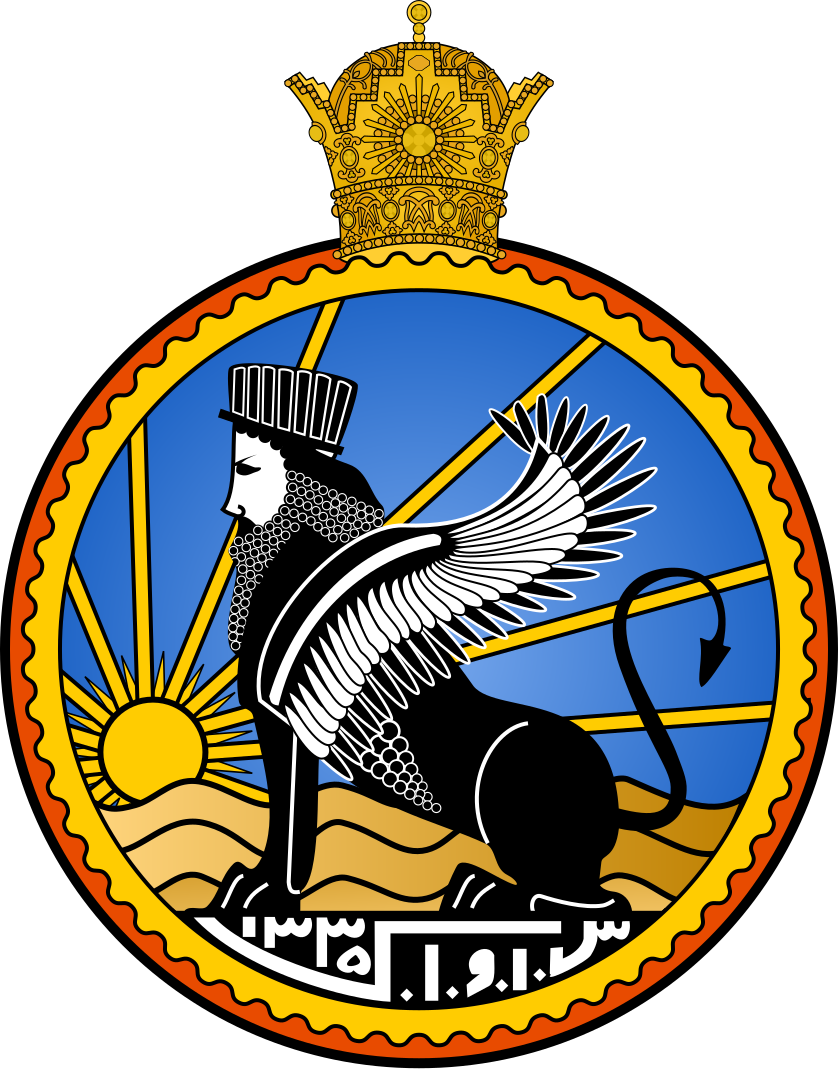
In contrast to the Constitutional Revolution, the 1979 Islamic Revolution emerged from decades of political repression, social unrest, and economic discontent under the Pahlavi monarchy. The Shah’s close alignment with Western powers—especially the United States—fueled widespread resentment. The monarchy’s repressive measures, epitomized by the Shah's secret police, SAVAK, silenced dissent and deepened societal grievances.
Abrahamian argues that the Shah’s efforts at modernization through his White Revolution failed to deliver promised economic reforms, exacerbating inequality and poverty. The documentary Tehran Is The Capital of Iran offers a poignant glimpse into the disparity between the Shah’s rhetoric and the lived realities of ordinary Iranians. The Shah’s authoritarianism, coupled with his cultural Westernization policies, alienated many Iranians, particularly the religious clergy and traditionalist sectors of society.
The revolution united a diverse coalition, including religious figures, students, leftist movements, and secular nationalists. However, it was the leadership of Ayatollah Khomeini and his vision of velayat-e faqih (guardianship of the jurist) that positioned Islam at the center of the movement. Unlike the Constitutional Revolution, the 1979 Revolution aimed to replace the secular monarchy with an Islamic Republic, marking a significant shift in the role of religion in Iranian politics.
Both revolutions were deeply influenced by Iran’s relationship with foreign powers. The Constitutional Revolution emerged as a reaction to the growing influence of Russia and Britain, while the 1979 Revolution was a response to the Shah’s role as “America’s policeman in the Persian Gulf.” In both cases, Iranians sought to reclaim sovereignty and limit foreign intervention, albeit through different means—constitutional checks and balances in 1905-1911 versus an Islamic state in 1979.
The evolving role of women in Iranian society highlights the intersection of modernity and tradition. During the Constitutional Revolution, women began to emerge in public life, symbolizing progress for modernists. By the 1979 Revolution, the “woman question” had become emblematic of the broader struggle between Westernization and Islamic values. The Islamic Republic’s policies, including mandatory veiling, reflected a shift toward defining Iranian identity through religious conservatism.
The Constitutional Revolution of 1905-1911 and the 1979 Revolution illustrate the complex interplay between Iran’s historical grievances and aspirations. Both were driven by a rejection of centralized power and foreign influence, yet they reflect contrasting visions for Iran’s future. While the former sought constitutional reform within a monarchy, the latter established a theocratic republic under Islamic law.
Ultimately, these revolutions underscore the enduring tensions between modernity, tradition, and religion in shaping Iran’s political landscape. Their legacies continue to influence debates over sovereignty, justice, and identity in contemporary Iran.
- MJ
References
Abrahamian, Ervand. A History of Modern Iran. Cambridge: Cambridge University Press, 2008.
Documentary: Tehran Is The Capital of Iran.
This page has paths:
- MJ MJ
- Iran, Islam & the Inevitable Kimia