Scalar's 'additional metadata' features have been disabled on this install. Learn more.
Space, Place, and Mapping ILA387 Spring 2016Main MenuAnales de Tlatelolco (Anonymous, 1540-1560)Historia tolteca-chichimeca (Anales de Cuauhtinchan. Anonymous, 1550-1560)Anales de Cuauhtitlán (Anonymous, c. 1570)Codex Aubin (Anonymous, c. 1576)Anales de Tecamachalco (Anonymous, c. 1590)Clendinnen, I: “‘Fierce and Unnatural Cruelty’: Cortés and the Conquest of México"Secondary SourceLockhart, J: The Nahuas After the Conquest: A Social and Cultural History of the Indians of Central Mexico, Sixteenth Through Eighteenth CenturiesSecondary SourceLockhart, J.: We People Here. Nahuatl Accounts of the Conquest of MexicoSecondary SourceMcDonough, K.: The Learned Ones. Nahua Intellectuals in Postconquest MexicoSecondary SourceMcDonough, K.: “‘Love’ Lost: Class Struggle among Indigenous Nobles and Commoners of Seventeenth-Century Tlaxcala”Secondary SourceMegged, A. & Wood, S.: Mesoamerican Memory. Enduring Systems of RemembranceSecondary SourceRestall, M.: “The New Conquest History” in History Compass 10:12Secondary SourceSchroeder, S. (Ed): The Conquest All Over Again. Nahuas and Zapotecs Thinking, Writing, and Painting Spanish ColonialismSecondary SourceTownsend, C.: Here in This year. Seventeenth-Century Nahuatl Annals of the Tlaxcala-Puebla ValleySecondary SourceWood, S.: Transcending Conquest. Nahua Views of Spanish Colonial MexicoSecondary SourceKelly McDonougha6b175ff7fbe5e5898695a43d2f9a5602d0c5760
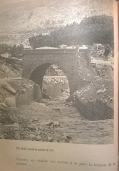
Fuente primaria. "El rio Choqueyapu"
12016-04-26T19:30:09-07:00lucia aramayo49a93fdaa089bc449b271bfa7b0eb895cbcb576670113plain2016-04-26T22:50:29-07:00lucia aramayo49a93fdaa089bc449b271bfa7b0eb895cbcb5766En la crónica “El río Choqueyapu” Jaime Sáenz hace una generalización sobre el ser paceño afirmando “El paceño, ama el agua por sobre todas las cosas”, y esto está relacionado con que “el río nos recuerda nuestra condición humana”, es decir, está unido a lo humano, y entonces es también parte de lo humano. Esto reflejaría la unión a la que hago referencia, entre las personas y lo que las rodea, el río y los habitantes paceños.
This page has paths:
1media/lustras.jpg2016-01-20T12:29:15-08:00Kelly McDonougha6b175ff7fbe5e5898695a43d2f9a5602d0c5760Jaime Sáenz. Los lugares imaginados y habitados en La Pazlucia aramayo51Luciaimage_header2016-05-04T18:53:19-07:00lucia aramayo49a93fdaa089bc449b271bfa7b0eb895cbcb5766