Thanks for your patience during our recent outage at scalar.usc.edu. While Scalar content is loading normally now, saving is still slow, and Scalar's 'additional metadata' features have been disabled, which may interfere with features like timelines and maps that depend on metadata. This also means that saving a page or media item will remove its additional metadata. If this occurs, you can use the 'All versions' link at the bottom of the page to restore the earlier version. We are continuing to troubleshoot, and will provide further updates as needed. Note that this only affects Scalar projects at scalar.usc.edu, and not those hosted elsewhere.
Reel Norden : Nordic Film & HistoryMain MenuReel Norden: Nordic Film & HistoryResearch and analysis by Concordia College students in Hist/Scan 337 -- Fall 2014 and Spring 2017Timeline of Nordic HistoryThe Girl King AnalysisDay of Wrath AnalysisA Royal Affair Analysis Bridal Party in Hardanger AnalysisThe Ox AnalysisIngeborg Holm AnalysisThe King of Devil's Island AnalysisSettings and DetailsMax Manus AnalysisProject CollaboratorsJoy K. Lintelman0c54aaa2a43d92e1740a36a95af4ba496d882df6Concordia College Hist/Scan 337 students, Fall 2014, Spring 2017
Kautokeino Rebellion Analysis
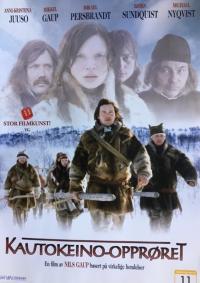
12017-02-25T19:48:02-08:00Joy K. Lintelman0c54aaa2a43d92e1740a36a95af4ba496d882df61452816plain2017-04-30T12:05:43-07:00Joy K. Lintelman0c54aaa2a43d92e1740a36a95af4ba496d882df6Representing the indigenous Sámi people in Northern Norway, Kautokeino Rebellion brought to light the social inequalities and cruelties they experienced in the mid-nineteenth century. The film related how, after failing to pay his debts, Sámi herder Mathis put his family in financial distress. Through a religious conversion experience, Mathis made some significant changes in his behavior. This led to the abstinence of alcohol use for the Sámi community and the formation of a non-traditional Christian congregation. However, the economic consequences of these changes on the local non-Sámi merchant, and the lack of attendance during the traditional Sunday morning services led to the demise of this growing movement and created an upsurge of tension that broke out in violent rebellion.