Thanks for your patience during our recent outage at scalar.usc.edu. While Scalar content is loading normally now, saving is still slow, and Scalar's 'additional metadata' features have been disabled, which may interfere with features like timelines and maps that depend on metadata. This also means that saving a page or media item will remove its additional metadata. If this occurs, you can use the 'All versions' link at the bottom of the page to restore the earlier version. We are continuing to troubleshoot, and will provide further updates as needed. Note that this only affects Scalar projects at scalar.usc.edu, and not those hosted elsewhere.
Introduction to Digital HumanitiesMain MenuWhat is Digital Humanities?Module I: A Theoretical IntroductionExploring The Tool BoxModule I: An Experiential IntroductionConstructing DataModule II: DH MethodsWorking with Big DataModule II: DH MethodsData VisualizationModule II: DH MethodsMappingModule II: DH MethodsDistant ReadingModule II: DH MethodsNetwork AnalysisModule II: DH MethodsCritical Platform StudiesModule III: Critical PerspectivesPostcolonial and Intersectional Digital HumanitiesModule III: Critical PerspectivesDH ProjectModule IV: Creative ExpressionsAndrea Davise50475e163fb87bc8bd10c6c0244468fd91e8da5Digital Humanities Certificate
Creating Digital Identities
12019-04-30T19:36:13-07:00Andrea Davise50475e163fb87bc8bd10c6c0244468fd91e8da53086213Module I: A Personal Introductionplain2019-05-26T21:03:35-07:00Andrea Davise50475e163fb87bc8bd10c6c0244468fd91e8da5 With the ubiquity of social technologies, we constantly make decisions about how to represent ourselves online. Drawing on the work of theorist Judith Butler, we can interpret these decisions as "performative acts" that add up to an "identity tenuously constituted in time."
Annotation #3
Using Butler's theory of gender identity as a model, think about how digital identities are construced as you read and collaboratively annotate:
1. Judith Butler, "Performative Acts and Gender Constitution: An Essay in Phenomenology and Feminist Theory." Theatre Journal 40, no. 4 (1988): 519-31. Hypothesis link.
2. Martin Lister et al., "New Media in Everyday Life" in New Media: A Critical Introduction, Second (London: Routledge, 2009), 237-307. Hypothesis link.
Assignment #3
Part I: Select four online bios of successful individuals in a field that interests you and discuss what they tell us about the academic or professional bio as a form. For a list of additional questions to consider, go here. Post the assignment to your "Assignment #3" page of our Scalar workbook, and make sure to embed and/or include links to your selected bios.
Part II: Using the insights you have gained from the readings and bio analysis exercise, construct an academic and/or professional bio for your home page in our Scalar workbook.
This page has paths:
1media/nypl.digitalcollections.510d47df-9e13-a3d9-e040-e00a18064a99.001.w.jpgmedia/nypl.digitalcollections.510d47df-9e13-a3d9-e040-e00a18064a99.001.w.jpg2018-07-13T14:35:23-07:00Andrea Davise50475e163fb87bc8bd10c6c0244468fd91e8da5AssignmentsAndrea Davis168Requirements, Prompts, Due Datesimage_header2019-10-25T14:26:03-07:00Andrea Davise50475e163fb87bc8bd10c6c0244468fd91e8da5
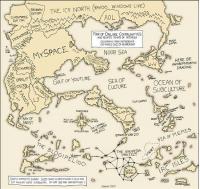
12018-07-10T00:24:20-07:00Map of Online Communities1XKCD Comics , "Map of Online Communities" as published in the "Digital Humanities Manifesto 2.0." http://www.humanitiesblast.com/manifesto/Manifesto_V2.pdf.plain2018-07-10T00:24:20-07:00
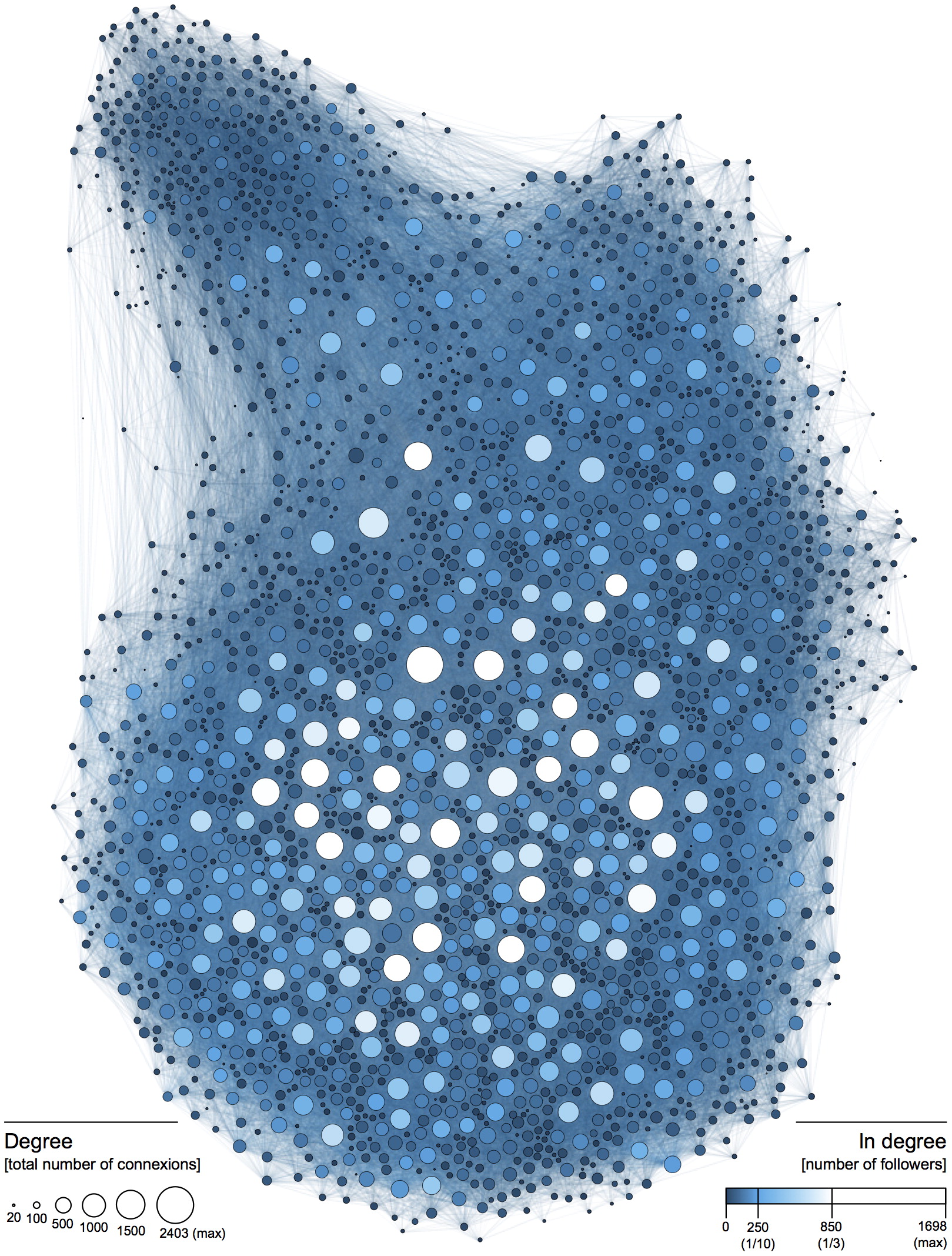
12018-07-10T00:24:20-07:00TwitterDH1Figure 1. Digital humanities network on Twitter: 2,500 users following each other. Martin Grandjean, “A Social Network Analysis of Twitter: Mapping the Digital Humanities Community,” ed. Aaron Mauro, Cogent Arts & Humanities 3, no. 1 (December 31, 2016): 1171458, https://doi.org/10.1080/23311983.2016.1171458.plain2018-07-10T00:24:20-07:00