Thanks for your patience during our recent outage at scalar.usc.edu. While Scalar content is loading normally now, saving is still slow, and Scalar's 'additional metadata' features have been disabled, which may interfere with features like timelines and maps that depend on metadata. This also means that saving a page or media item will remove its additional metadata. If this occurs, you can use the 'All versions' link at the bottom of the page to restore the earlier version. We are continuing to troubleshoot, and will provide further updates as needed. Note that this only affects Scalar projects at scalar.usc.edu, and not those hosted elsewhere.
James Lee Dickey: An Analysis of One African-American's Leadership in Jim Crow TexasMain MenuJames Lee Dickey: An Analysis of One African American's Leadership in Jim Crow TexasIntroductionSlave No MoreFreedman after Bondage 1865 - 1955African American LeadershipContenders for the TitleJames Lee DickeyThe Leadership of James Lee DickeyLocations in Dr. James Lee Dickey's StoryGoogle locations for Dr. Dickey's BiographyMaureen Grayab288c53aefb942d3e6102c32f4d6e3a10268d3b
TheTalented Tenth
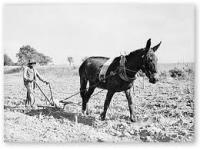
1media/Talented Tenth.png2018-04-07T01:34:33-07:00Maureen Grayab288c53aefb942d3e6102c32f4d6e3a10268d3b197019image_header2018-06-10T22:34:38-07:00Maureen Grayab288c53aefb942d3e6102c32f4d6e3a10268d3bWEB Du Bois believed the Talented Tenth would bring racial equality to African Americans. Soon after the Atlanta Compromise, Du Bois challenged Booker T. Washington's idea of racial uplift because it rejected superior academic education for their race. Du Bois wrote in September 1903, “The Negro race, like all races, is going to be saved by its exceptional men. The problem of education, then, among Negroes must first of all deal with the Talented Tenth; it is the problem of developing the Best of this race that they may guide the Mass away from the contamination and death of the Worst.” Training Negro men in how to make money via economic uplift would only create moneymakers. Instead, Negroes should develop the whole man. Schools should teach “intelligence, broad sympathy, knowledge of the world that was and is, and of the relation of men to it.” He criticized Booker T. Washington by writing, “To say that the Negro leadership should have begun at the plow and not at the Senate is a foolish and mischievous lie.” Du Bois argued that 250 years of toiling at the plow had gained the black man nothing, only the (Civil) war amendments brought about change. The black man will toil another 250 years and still have nothing if he does not have political rights and civic status. Lynching, raping, crushing of youth, and flourishing lewdness and servility had not crushed the black man because an exceptional few survived. Those few had shown themselves in “thrift ability and character.” The quality of those few should not be belittled. Du Bois claimed that culture would always seep from the top downward. “The Talented Tenth rises and pulls all that are worth saving up to their vantage ground.” To achieve this, the best and most capable young people should receive a liberal arts education at colleges and universities.
This page has paths:
1media/DuBoisatDesk.jpg2018-04-07T00:29:09-07:00Maureen Grayab288c53aefb942d3e6102c32f4d6e3a10268d3bW.E.B. Du BoisMaureen Gray7image_header2018-06-11T23:46:12-07:00Maureen Grayab288c53aefb942d3e6102c32f4d6e3a10268d3b
This page references:
12018-06-10T22:20:56-07:00Du Bois Plowing1Is one more important than the other?media/Du Bois plowing.jpegplain2018-06-10T22:20:57-07:00
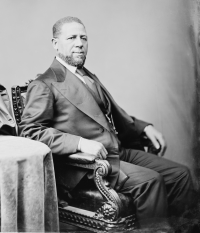
12018-06-10T22:22:24-07:00Du Bois First Black Senator1Is one more important than the other?media/Du Bois Black Senator.pngplain2018-06-10T22:22:25-07:00
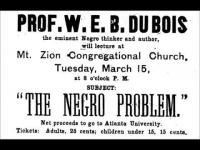
12018-06-10T22:29:56-07:00Du Bois The Negro Problem1media/Du Bois The Negro Problem.jpgplain2018-06-10T22:29:56-07:00