Postcolonial Thumbnail
1 2019-04-30T20:15:01-07:00 Andrea Davis e50475e163fb87bc8bd10c6c0244468fd91e8da5 30862 1 plain 2019-04-30T20:15:01-07:00 Andrea Davis e50475e163fb87bc8bd10c6c0244468fd91e8da5This page is referenced by:
-
1
media/1513900948334.jpg
media/1513900948334.jpg
2019-04-30T19:26:16-07:00
Postcolonial and Intersectional Digital Humanities
30
Module III: Critical Perspectives
image_header
2019-10-30T05:51:13-07:00
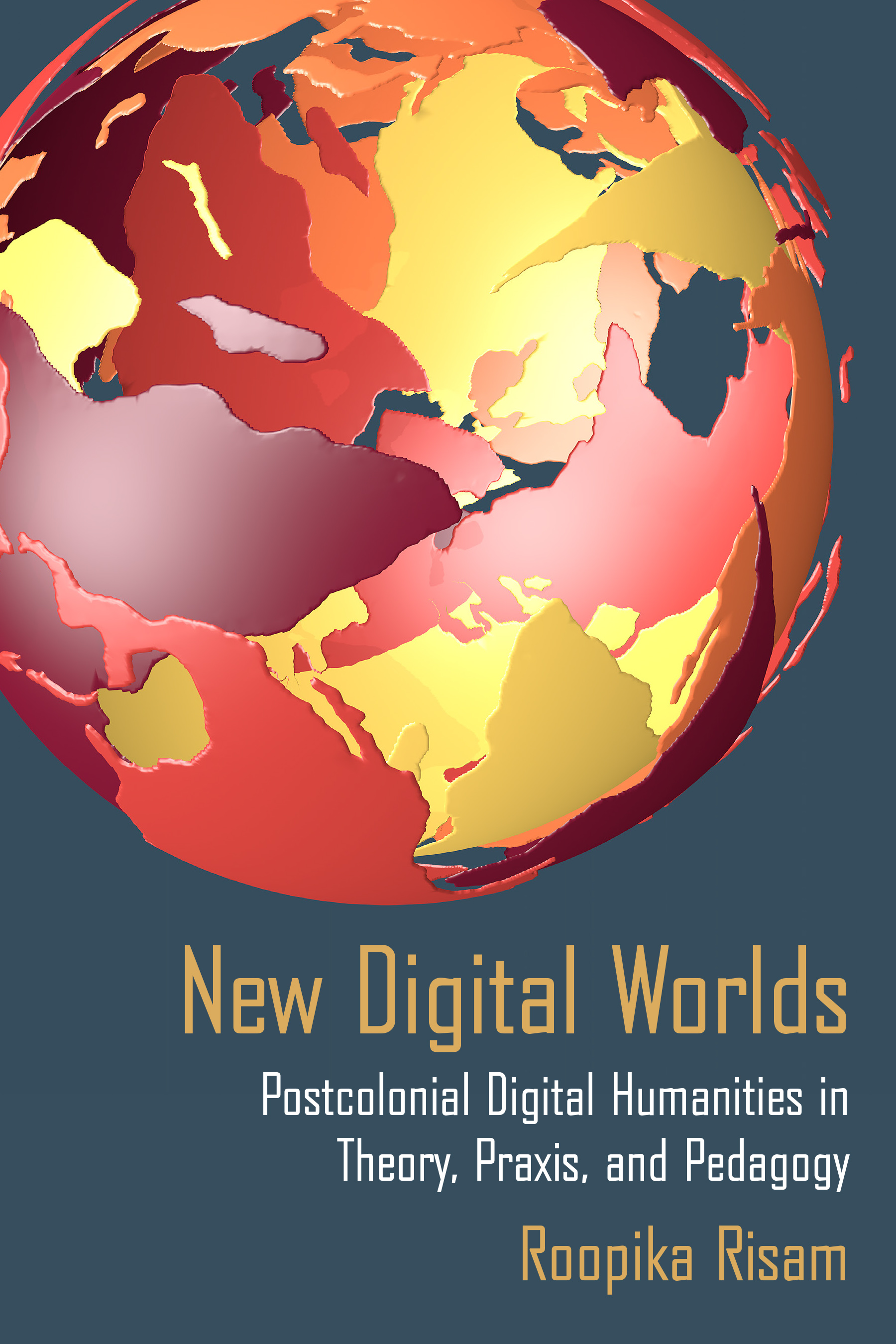
In New Digital Worlds: Postcolonial Digital Humanities in Theory, Praxis and Pedagogy, Roopika Risam writes:
According to this vision of digital humanities, collection building should not be a straightforward matter of digitizing the written and material records as they have been preserved by governments, libraries, and museums. Rather, it should entail critical decisions about: what to collect and why; how to organize, manage, and disseminate collections; and who participates in these processes.The opportunity to intervene in the digital cultural record—to tell new stories, shed light on counter-histories, and create spaces for communities to produce and share their own knowledges should they wish—is the great promise of digital humanities."
Roopika Risam, New Digital Worlds: Postcolonial Digital Humanities in Theory, Praxis, and Pedagogy, (Evanston, IL: Northwestern University Press, 2018) Chapter 1 Hypothesis link.
Annotation #11
Schwartz, Michelle and Constance Crompton, “Remaking History: Lesbian Feminist Historical Methods in the Digital Humanities” In Losh, Elizabeth, and Jacqueline Wernimont, eds. Bodies of Information Intersectional Feminism and the Digital Humanities. Minneapolis: University of Minnesota Press, 2019. Hypothesis link.
Assignment #11