Thanks for your patience during our recent outage at scalar.usc.edu. While Scalar content is loading normally now, saving is still slow, and Scalar's 'additional metadata' features have been disabled, which may interfere with features like timelines and maps that depend on metadata. This also means that saving a page or media item will remove its additional metadata. If this occurs, you can use the 'All versions' link at the bottom of the page to restore the earlier version. We are continuing to troubleshoot, and will provide further updates as needed. Note that this only affects Scalar projects at scalar.usc.edu, and not those hosted elsewhere.
Counter-Cola: A Multinational History of the Global CorporationMain MenuAn Introduction to the Digital BookCounter-Cola: IntroductionThe Coca-Cola Bottling System and the Logics of the FranchiseMediating Coca-Colonization: Negotiating National Development and Difference in Coca-Cola’s Postwar Internationalization“I’d Like to Buy the World a Coke”: The “Real Thing” and the Revolutions of the 1960s"Indianize" or "Quit India": Nationalist Challenges in Post-Colonial IndiaA Man in Every Bottle: Labor and Neoliberal Violence in Colombian BottlingWater for Life, Not for Coca-Cola: Commodification, Consumption, and Environmental ChallengesCSR: Corporate Social Responsibility and Continued Social ResistanceA NonconclusionAmanda Ciafone0aef7449200e57e794d451fa2ca99b0795928eaf
Cultural Critique in the US
1media/All Over the World Coca Cola Brings Refreshment Larger cropped.jpgmedia/coke.png2017-02-09T21:11:47-08:00Amanda Ciafone0aef7449200e57e794d451fa2ca99b0795928eaf1520030A growing critique of American corporations, consumer culture and racial capitalism was expressed by cultural producers through the brand image of Coca-Colaimage_header2017-11-28T23:08:04-08:00Amanda Ciafone0aef7449200e57e794d451fa2ca99b0795928eafFrom the mid-1960s a growing critique of corporations was expressed by cultural producers through the almost globally ubiquitous commodity-sign of Coca-Cola.[i] The final lines of Gil Scott-Heron’s spoken word poem, “The Revolution Will Not Be Televised,” demonstrate the critique of the racial and economic politics of American mediated culture and consumer society, of which Coca-Cola and its jingles had made themselves iconic.[ii]
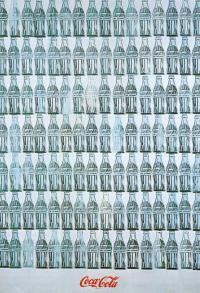
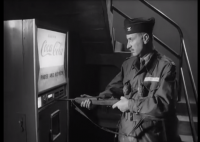
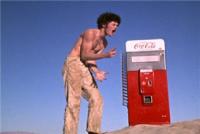
Pop artists, especially Andy Warhol, had already used Coca-Cola as a sign of mass culture in his numerous prints exploring the vast reproducibility of the commodity, and his screen test films, which paired countercultural icons like Lou Reed with the everyday mass commodity. In iconic movies of the time, Coca-Cola was used as a symbol of corporate power and the massification of culture, often ending badly for the Cokes – Coca-Cola vending machines were shot at in Dr. Strangelove and blown up in the Monkees’ Head.
12017-02-09T21:26:36-08:00The Monkees, Head (Bob Rafelson, 1968)1Still from Head (Bob Rafelson, 1968)media/Monkees Head 1968 Still.jpgplain2017-02-09T21:26:36-08:00