Thanks for your patience during our recent outage at scalar.usc.edu. While Scalar content is loading normally now, saving is still slow, and Scalar's 'additional metadata' features have been disabled, which may interfere with features like timelines and maps that depend on metadata. This also means that saving a page or media item will remove its additional metadata. If this occurs, you can use the 'All versions' link at the bottom of the page to restore the earlier version. We are continuing to troubleshoot, and will provide further updates as needed. Note that this only affects Scalar projects at scalar.usc.edu, and not those hosted elsewhere.
A History of Beer GardensMain MenuThe Popularity of Beer Gardens in America was Directly Impacted by the Acceptance or Lack Thereof of German-AmericansThe BeginningHow Beer Gardens were BornBeer Gardens and the PicnicEthnic Foods in Beer GardensThe Temperance MovementThe Second Great Awakening to ProhibitionWar Hysteria and German PersecutionWWI & WWIICreditsRobert Soucekfbd4bc6c4f148f75409489cacd56dd08fe93f17b
Breweries of Wisconsin
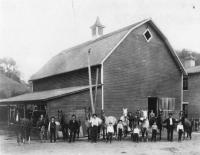
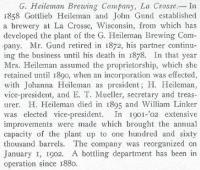
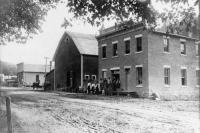
1media/Schlitz Palm Garden.jpgmedia/beer barons.jpg2017-02-23T09:27:57-08:00Robert Soucekfbd4bc6c4f148f75409489cacd56dd08fe93f17b1507518A look at the Business of Beerimage_header2017-05-04T07:55:28-07:00Robert Soucekfbd4bc6c4f148f75409489cacd56dd08fe93f17bMany German immigrants settled in Wisconsin bringing their love of beer with them. "Perhaps the taste for beer, a product of the soil, went hand in hand with their admiration for the fertile prairies, tall forests, and clear water found in this vibrant part of the heartland." Whatever their reason for choosing Wisconsin as a place to settle, beer was an integral part of the German culture. The German immigrants that settled the land made their own clothing, produced their own food, and yes brewed their own beer. These settlers were not the brew masters for the old world and their brews left much to be desired. "Some astute brewers recognized the demand for higher quality beer, and set about to fulfill it."
The breweries of Wisconsin were born out of a demand for pure beer that could not be met in large cities. The breweries in New York City, Philadelphia, and Chicago were unable to meet the demand for beer in the fast growing cities during the Great Migration. Their inability to meet demand opened new markets for brewers in Wisconsin. Milwaukee, with access to shipping harbors, was destined to become the boom town for the beer business. The German-brewed beer which came out of Wisconsin was much more pure and flavorful than beer produced in New York and Philadelphia which were the leading producers on the eastern seaboard. "During much of the eighteenth century the urban water supply was so unclean...people had to depend on beer." The purity was a marketing tool used by the larger breweries in Wisconsin but their ability to produce beer at a low cost and ship it cold, due to the abundant availability of Wisconsin ice, kept them competitive with local breweries from Chicago to New Orleans.
The business of beer boomed in the 1840s. In 1844 over one thousand German immigrants settled in Milwaukee each week, most finding jobs in the breweries of the city. This population boom also made a ready market for German lagers, which was the most popular beer produced in Wisconsin and easily in Milwaukee. There was a explosion in German immigration during this period throughout the country. German-Americans drank beer in great quantities, "in 1850 they had brewed just 36 million gallons, by 1870 their output had soared to more than 550 million." The expansion in the market for lagers and the increase of good cheap labor poised Milwaukee to become the beer producing capitol of the world. The brewers formed the United States Brewers' Association, a collection of German-American brewery owners aimed at fighting off temperance movements and protecting the business interests of the industry, which happened to be the fifth largest industry in America at the time.
This page has paths:
1media/Immigration_by_country.jpgmedia/hops gardens oregon.jpg2017-04-12T21:10:08-07:00Robert Soucekfbd4bc6c4f148f75409489cacd56dd08fe93f17bGermans in the Pacific NorthwestRobert Soucek11Germans Found Paradiseimage_header2017-04-24T10:42:40-07:00Robert Soucekfbd4bc6c4f148f75409489cacd56dd08fe93f17b
1media/biergarten.jpg2017-02-23T09:29:30-08:00Robert Soucekfbd4bc6c4f148f75409489cacd56dd08fe93f17bBeer Gardens and the PicnicRobert Soucek20Ethnic Foods in Beer Gardensplain2017-05-05T10:15:29-07:00Robert Soucekfbd4bc6c4f148f75409489cacd56dd08fe93f17b
1media/Schlitz Palm Garden.jpgmedia/beer barons.jpg2017-02-23T09:27:57-08:00Robert Soucekfbd4bc6c4f148f75409489cacd56dd08fe93f17bBreweries of WisconsinRobert Soucek18A look at the Business of Beerimage_header2017-05-04T07:55:28-07:00Robert Soucekfbd4bc6c4f148f75409489cacd56dd08fe93f17b
Contents of this path:
1media/bock.jpgmedia/Drunks.jpg2017-04-12T23:10:46-07:00Robert Soucekfbd4bc6c4f148f75409489cacd56dd08fe93f17bThe Temperance Movement15The Second Great Awakening to Prohibitionimage_header2017-05-04T07:57:02-07:00Robert Soucekfbd4bc6c4f148f75409489cacd56dd08fe93f17b
1media/Schlitz Palm Garden.jpgmedia/beer barons.jpg2017-02-23T09:27:57-08:00Robert Soucekfbd4bc6c4f148f75409489cacd56dd08fe93f17bBreweries of Wisconsin18A look at the Business of Beerimage_header2017-05-04T07:55:28-07:00Robert Soucekfbd4bc6c4f148f75409489cacd56dd08fe93f17b
12017-03-16T05:28:38-07:00Robert Soucekfbd4bc6c4f148f75409489cacd56dd08fe93f17bMusic of Beer Gardens5German Dance Music Featuring the Accordionplain2017-04-27T20:21:18-07:00Robert Soucekfbd4bc6c4f148f75409489cacd56dd08fe93f17b