Thanks for your patience during our recent outage at scalar.usc.edu. While Scalar content is loading normally now, saving is still slow, and Scalar's 'additional metadata' features have been disabled, which may interfere with features like timelines and maps that depend on metadata. This also means that saving a page or media item will remove its additional metadata. If this occurs, you can use the 'All versions' link at the bottom of the page to restore the earlier version. We are continuing to troubleshoot, and will provide further updates as needed. Note that this only affects Scalar projects at scalar.usc.edu, and not those hosted elsewhere.
A History of Beer GardensMain MenuThe Popularity of Beer Gardens in America was Directly Impacted by the Acceptance or Lack Thereof of German-AmericansThe BeginningHow Beer Gardens were BornBeer Gardens and the PicnicEthnic Foods in Beer GardensThe Temperance MovementThe Second Great Awakening to ProhibitionCreditsRobert Soucekfbd4bc6c4f148f75409489cacd56dd08fe93f17b
War Hysteria and German Persecution
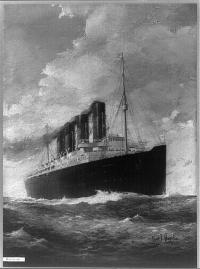
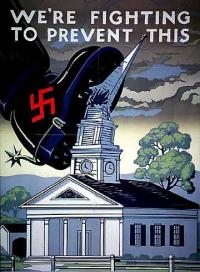
1media/WWI propaganda_0.jpg2017-03-16T05:57:45-07:00Robert Soucekfbd4bc6c4f148f75409489cacd56dd08fe93f17b1507511WWI & WWIIimage_header2017-05-04T08:08:22-07:00Robert Soucekfbd4bc6c4f148f75409489cacd56dd08fe93f17b When World War I began the President of the United States, Woodrow Wilson, made it known America would remain neutral in the conflict. England, France and Russia were at war with Germany. The Germans knew to have a chance at winning the war they had to disrupt the delivery of supplies from the United States. To do this German U-Boats were used to attack shipping vessels they believed were carrying the supplies of war, including food, raw materials for manufacturing, weapons among many other items. Almost anything being shipped to England could be considered supplies of war. The Germans sunk many boats, the collateral damage that occurred was high. American citizens were being killed in the attacks, the media coverage of this along with Anti-German propagandists efforts to change public opinion about America's entering the war finally came to a head after two major incidents. The sinking of the Lusitania and the discovery of a German plan to engage the United States in all out war forced President Wilson to stand before Congress and call for a vote to declare war with Germany. German-Americans, in many cases were considered the enemy, their standing in the communities they helped to build would change drastically from ideal citizens to enemies of the state.
1media/Immigration_by_country.jpgmedia/hops gardens oregon.jpg2017-04-12T21:10:08-07:00Robert Soucekfbd4bc6c4f148f75409489cacd56dd08fe93f17bGermans in the Pacific NorthwestRobert Soucek11Germans Found Paradiseimage_header2017-04-24T10:42:40-07:00Robert Soucekfbd4bc6c4f148f75409489cacd56dd08fe93f17b