Thanks for your patience during our recent outage at scalar.usc.edu. While Scalar content is loading normally now, saving is still slow, and Scalar's 'additional metadata' features have been disabled, which may interfere with features like timelines and maps that depend on metadata. This also means that saving a page or media item will remove its additional metadata. If this occurs, you can use the 'All versions' link at the bottom of the page to restore the earlier version. We are continuing to troubleshoot, and will provide further updates as needed. Note that this only affects Scalar projects at scalar.usc.edu, and not those hosted elsewhere.
Unpinning History: Japanese Posters in the Age of Commercialism, Imperialism, and ModernismMain MenuIntroductionJapan in the Age of Commercialism, Imperialism, and ModernismThe Rise of Tourism and the Era of Ocean LinersThe Rise of Tourism and the Development of Railway NetworksProvocation of Citizenship: Posters for the Ministry of CommunicationsExhibition CultureBijin: Posters with a Beautiful WomanBibliographyCollection NoteReuse and Remix this Exhibition
Arrival of Modern Commercial Design
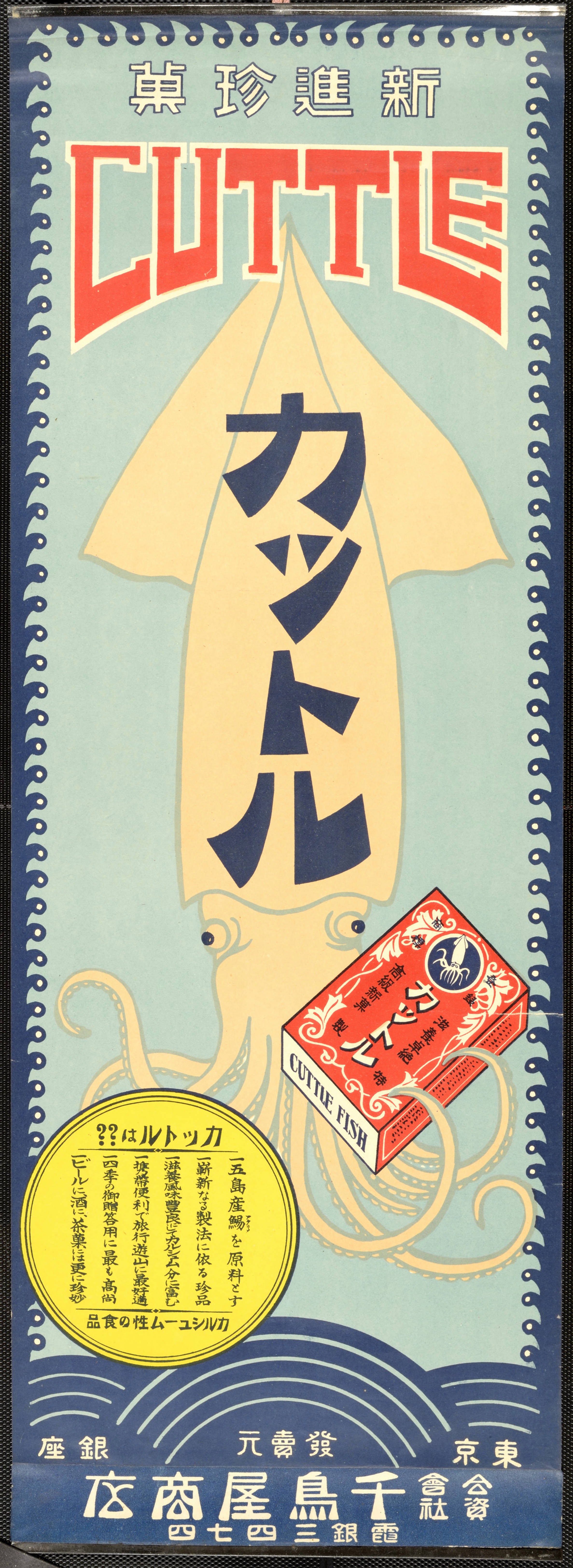
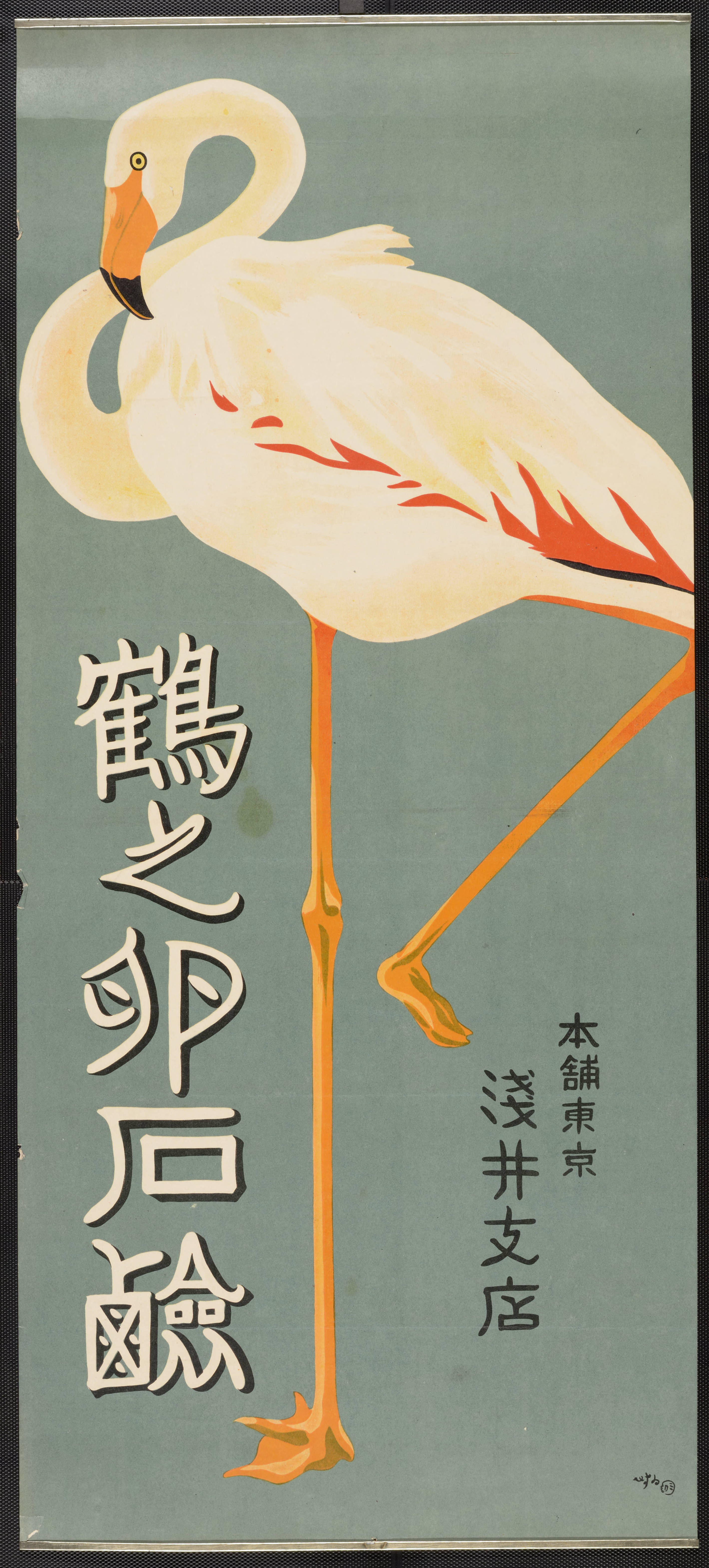
12020-04-10T14:49:25-07:00Anne-Marie Maxwell326ac6eff123bb3f77fb517c66299be8b435b4793714029image_header2020-11-17T14:42:53-08:00Tyson Gaskill93cb401bee8f73160b4c4378060de7643c42eee9If bijin or a beautiful woman is the quintessential subject of early posters in Japan, the arrival of posters with modern designs often meant a departure from bijin. Sugiura Hisui was one of the principal designers to propel the movement. Trained in Japanese and Western painting styles and exposed to Art Nouveau and German avant-garde art before and during his stay in Europe, he developed modern and creative, yet clear, designs, which he later called “sōsaku zuan” or “creative design.”[1] In particular, he stressed being conscious of the eyes of mass consumers, which could be achieved only by professional designers.[2] The assortment of simple, flat, and stylized forms; less yet clear coloring; and playful typography are evident in the posters by Sugiura and others in this section and the ones for the Ministry of Communications.
Initially making his name as the head of the design division of the Mitsukoshi Department Store, Sugiura helped the department attain status as a design-savvy business. He was also active as an independent designer, writer, and educator through the Shichinin-sha (Company of Seven), a collective of designers founded in 1924, and its publication entitled Affiches (“Posters,” 1927–1930). The emergence of graphic design as a profession also meant the integration of fine art and design, which had been divided hierarchically since the birth of “fine art” as part of the Meiji state ideology. (Rika Hiro)