Thanks for your patience during our recent outage at scalar.usc.edu. While Scalar content is loading normally now, saving is still slow, and Scalar's 'additional metadata' features have been disabled, which may interfere with features like timelines and maps that depend on metadata. This also means that saving a page or media item will remove its additional metadata. If this occurs, you can use the 'All versions' link at the bottom of the page to restore the earlier version. We are continuing to troubleshoot, and will provide further updates as needed. Note that this only affects Scalar projects at scalar.usc.edu, and not those hosted elsewhere.
The Story of the Stuff: Issues in Temporary Memorial Preservation Main MenuWhat Are Temporary Memorials?A DefinitionThe Problem of Temporary MemorialsEssential Questions to BeginCase StudiesCase Studies IntroductionTexas A&M & the Bonfire Memorabilia CollectionCase StudyVirginia Tech & the April 16th Condolence ArchiveCase StudySandy Hook Elementary & the Story of the StuffCase StudyFurther StudyQuestions & Recommended ReadingsAshley Maynor5adce0171052a8cc24f02b7c0a0c96951154dfb5Self-Reliant Film
Texas A&M's Collection
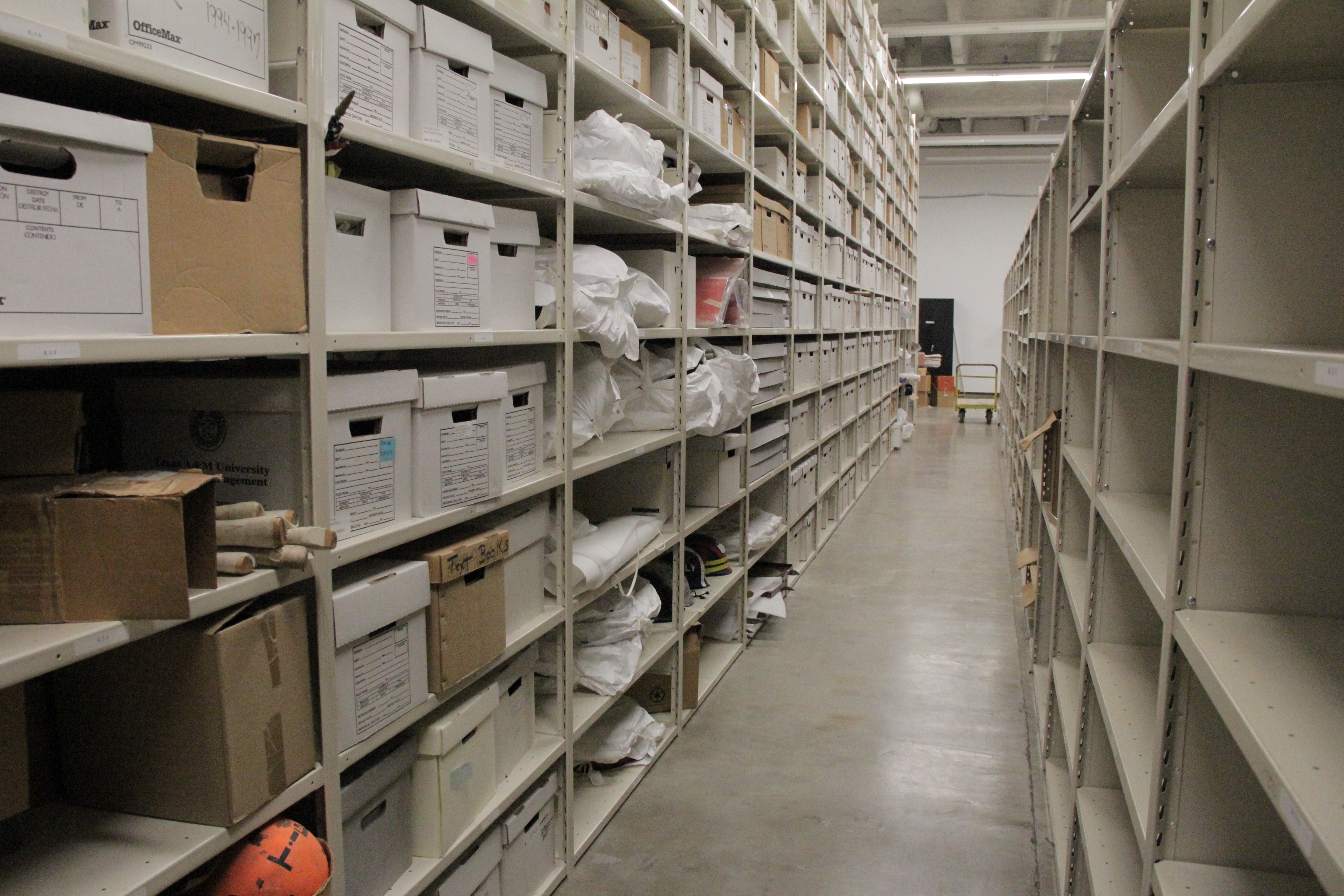
12015-09-16T17:17:22-07:00Charlene Kirkpatrickaaff0b465fe57dd3461d61c03aca4d2b6297884460701Closed Collectionsplain2015-09-16T17:17:22-07:00Ashley Maynor5adce0171052a8cc24f02b7c0a0c96951154dfb5Virginia Tech & the April 16th Condolence ArchiveCase Study The case of Texas A&M is an example of an effort to keep nearly everything that was left at the site of the tragedy. However, the university chose not to make the collection of temporary memorial materials available to the public, citing the sensitive nature of the event to the Aggie community.
ESSENTIAL QUESTION:
Does the archivist have a duty to make the material from a spontaneous shrine publicly available, even if the memory of the event in question is difficult for the affected community to face?