Thanks for your patience during our recent outage at scalar.usc.edu. While Scalar content is loading normally now, saving is still slow, and Scalar's 'additional metadata' features have been disabled, which may interfere with features like timelines and maps that depend on metadata. This also means that saving a page or media item will remove its additional metadata. If this occurs, you can use the 'All versions' link at the bottom of the page to restore the earlier version. We are continuing to troubleshoot, and will provide further updates as needed. Note that this only affects Scalar projects at scalar.usc.edu, and not those hosted elsewhere.
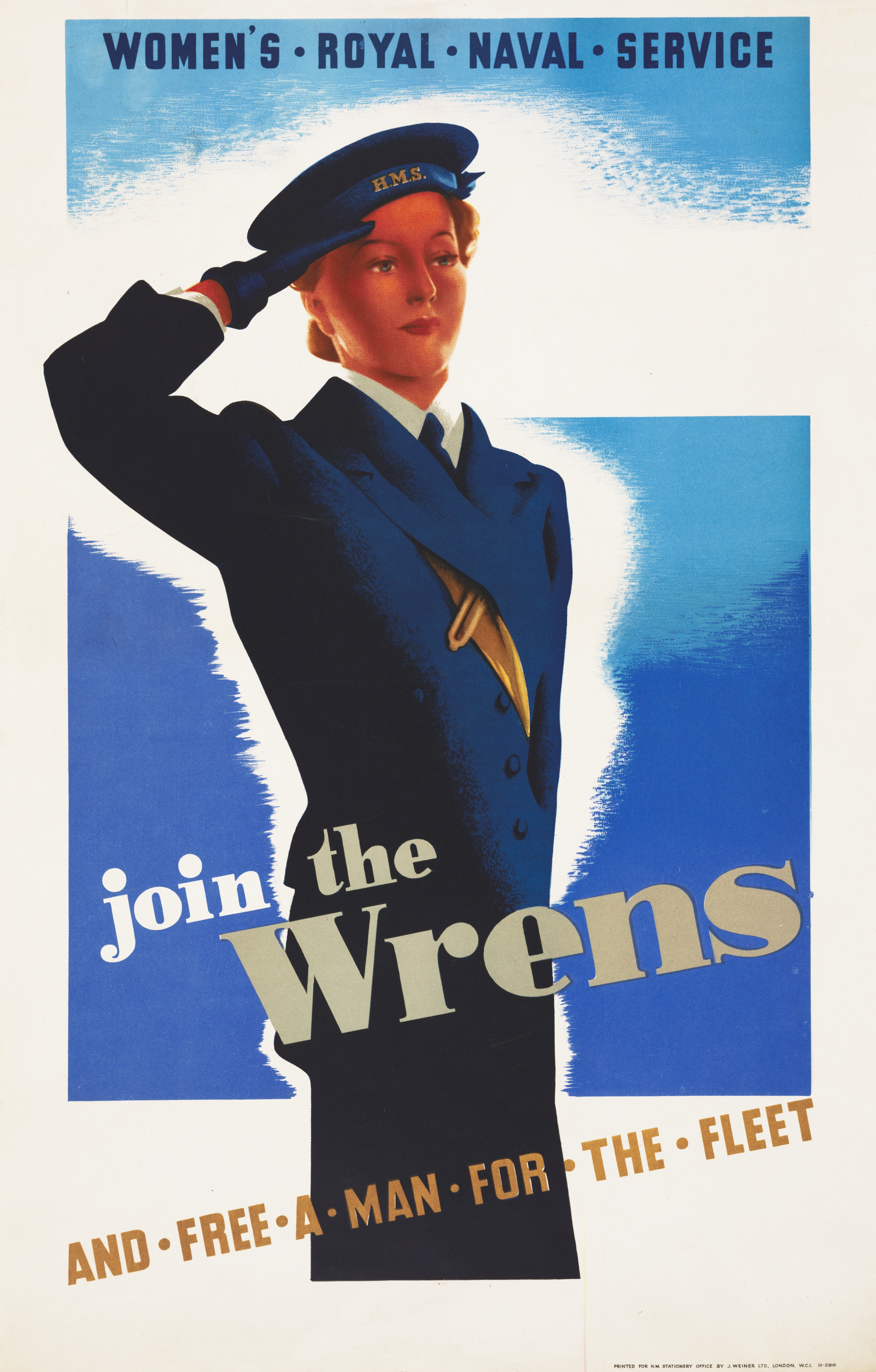
12018-12-04T01:41:58-08:00Josie Cotton85e536e9436ca7acf1cc79640b3de84b2753ceeb314745plain2019-03-20T18:08:59-07:00Josie Cotton85e536e9436ca7acf1cc79640b3de84b2753ceebIn a time when war affected every aspect of society, when civilians were transformed into soldiers, many women took up war work as a way to “do their bit” for the war effort. They worked in civil defense to protect London and other bombed cities, in factories to meet the need for increased production, and in the women’s branches of the armed services. Some women left their homes to work for the first time, others simply transferring from peacetime jobs to wartime ones, and still others, like factory workers, continuing in the same line of work that saw a new urgency during wartime. Women joined branches of the services like the Women’s Land Army, where they worked on farms, or the Auxiliary Territorial Service, where they transported supplies. They made munitions or aircrafts in factories, while others ran London bomb shelters as air raid wardens. Often alongside men, they worked to further the Allied war effort.
But when too few women took up war work, the British government began to take a more active role in women’s lives. Women’s conscription began in January 1942, involving only single women between the ages of twenty and twenty-one, but then gradually expanding, until January 1943, when women up to age forty could be conscripted for work. Women who were conscripted could choose between the women’s services, civil defense, and factory work. However, conscription was not as strict as the term suggests. Women with children under the age of fourteen were exempt, as well as many women running both small or large households. But still, the new legislation meant that the British government was eager to reinterpret gender roles and conscript women for war work.