There Is a Dire Housing Need in the Native American Community
1 2022-11-22T16:25:08-08:00 Trisha A Bonham 7fa13b399c9331700d719225b96f3bf9e54c4570 41237 1 Gwen speaks on the House floor to support increased funding for the Native American Housing Assistance and Self ... plain 2022-11-22T16:25:08-08:00 YouTube 2014-06-10T22:53:57Z F0OxcwZfZOM Rep. Gwen Moore Trisha A Bonham 7fa13b399c9331700d719225b96f3bf9e54c4570This page is referenced by:
-
1
media/native blog 2.jpg
2022-11-22T15:44:51-08:00
Native American Housing: How Poor Housing Harms Indigenous Health
33
How Poor Housing Harms Indigenous Health
splash
2022-11-23T05:50:10-08:00
Housing is a major contributor to health outcomes and a measure of health equity in America. Poor housing conditions lead to exposure to environmental ills which can have devastating effects on health, leading to high rates of disability and shortened life expectancies. Lead exposure, poor ventilation, unclean water, sanitation issues and overcrowding can cause lung disease, cardiovascular disease, diabetes, obesity, and other illnesses. In addition, mental health outcomes, unintentional injuries, substance abuse, violence and suicide have direct correlations to inadequate housing.
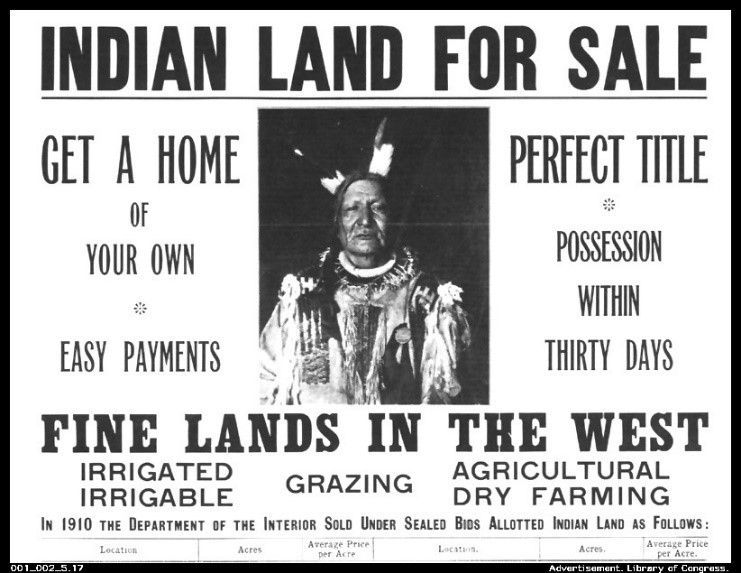
As a result of the attempts to remove, relocate, and reallocate land and resources by the U.S. federal government over centuries, many Native American tribes lives in third-world conditions on reservations in remote and isolated areas, leaving them disproportionately susceptible to a variety of health problems which can also lead to high rates of disability and shortened life spans.
According to the National Low Income Housing Coalition, Native Americans on tribal lands have some of the most dire housing needs in the United States. The National Congress of American Indians reports that substandard housing makes up 40% of on-reservation housing compared to just 6% of housing outside of Indian Country. In addition, almost one-third of homes are overcrowded—an alternative to homelessness, which is also pervasive in Indigenous communities. These disparities are shaped by social inequality, historical trauma, and discrimination.
Housing
The United Nations Habitat Agenda defines housing to mean adequate privacy, adequate space, physical accessibility, structural stability and durability, adequate lighting, heating and ventilation, adequate basic infrastructure (water supply, sanitation and waste management facilities), suitable environmental quality and health-related factors, and accessible location to work and basic facilities.[1] In addition, the Habitat Agenda defines adequate housing to mean affordability, and healthy housing to mean it is sited, designed, built, renovated, and maintained in ways to support the health of its residents.[2]
According to David E. Jacobs, physical infrastructure, and housing in particular, determines “people’s very individual and collective identities.”[3] The survival of a community depends on a “functional, protective, and equitable housing stock,” providing shelter from the elements and access to food, clean water, clothing, and other basic necessities.[4] Jacobs says:
Physical infrastructure is a major part of what people need to build social norms. How well that infrastructure performs and which groups it serves best (and worst) have important implications…populations that are ill served by physical infrastructure and inadequate housing have a host of unmet needs and environmental diseases and injuries, making their full participation in a productive society problematic. This results in profound losses for society at large, as well for at-risk communities and individuals.[5]
Jacobs outlines five different categories in which the conditions of the physical dwelling contribute to adverse health effects: physical conditions (heat, cold, inadequate light, ventilation, exposure to radon or other fine particulates); chemical conditions (carbon monoxide, secondhand smoke, lead, volatile organic chemicals); biological conditions (rodents, cockroaches and their associated allergens, dust mites, humidity, mold); building and equipment conditions (access to sewer services, accidents and injuries); and social conditions (architectural features related to mental health).[6]
According to the Department of Housing and Urban Development (HUD) spokesperson Ed Cabrera, "Housing needs are very extreme on tribal lands. They face a lot of challenges with sanitation, structural deficiencies, homelessness and other things we take for granted.”[7] Homes for Native Americans need to be not only structurally sufficient but must also have working appliances, indoor plumbing, and heat. A 2017 HUD report noted that 34 percent of Native American homes have one or more physical problems (as opposed to just 7 percent in U.S. households), and 16 percent of homes in tribal areas are overcrowded, (compared to just 2 percent of all U.S. households.[8]
NATIVE AMERICAN ISSUES
Indian Country’s Housing Crisis is a Public Health Crisis
JUNE 26, 2020 • JOSEPH KUNKEL & ASPEN GLOBAL LEADERSHIP NETWORK
Overcrowding and lack of housing heighten the dangers posed by COVID-19.
Indian Country’s Housing Crisis is a Public Health Crisis - The Aspen Institute
(include this blog post segment)
Here in Indian Country, it’s not uncommon to see 18 or more people living in a single 900 square-foot-house—a size that, in what is now known as America, more typically provides shelter for a family of four. For American Indians, homelessness is characterized by overcrowding, not individuals living on the streets. Our indigenous values impel us to care for one another under the same roof, regardless of whether we have ample space. According to a study from the Housing Assistance Council (HAC), approximately 9 percent of native populations live with overcrowding, compared with the national average of 3 percent. The Department of Housing and Urban Development (HUD) has found that Indian Country faces a deficit of 68,000 housing units per year. The real need is likely triple that.
Insufficient access to capital is one of the underlying causes of these problems. The Indian Housing Block Grant—one of the key programs under the Native American Housing Assistance and Self Determination Act—has received mostly level funding since its implementation in 1998. Had it kept pace with inflation, the grant program would have already received nearly $1 billion. At current levels, tribal nations’ purchasing power is less than it was 20 years ago. This diminished budget allows for the development of only around 1,000 new units per year—far below the 68,000 HUD has deemed necessary.[1] Jacobs, 116.[2] Jacobs, 116.[3] David E. Jacobs, “Environmental Health Disparities in Housing,” American Journal of Public Health, 101, no. 1 (December 2011): 115.[4] Jacobs, 115.[5] Jacobs, 115-116.[6] Jacobs, 117.[7] Gaby Galvin, “Tribal Housing Reveals Inequalities in Indian Country,” Sept. 23, 2017. Accessed on October 26, 2022 from https://www.usnews.com/news/best-states/articles/2017-09-23/across-the-us-disparities-in-indian-country-emerge-through-tribal-housing/[8] Galvin
-
1
2022-11-23T05:45:41-08:00
Native American Housing
18
page 2
plain
2022-12-12T09:14:09-08:00
The connection between health and the dwelling of the population is one of the most important that exists. Florence Nightingale
Many tribal communities have a traditional understanding of inter-dependent ties with the land, and it can be said that when the environment (dwelling) is ‘sick,’ the people may become sick.
U.S. Department of Housing and Urban Development
Housing is a major contributor to health outcomes and a measure of health equity in America. Poor housing conditions lead to exposure to environmental ills which can have devastating effects on health, leading to high rates of disability and shortened life expectancies. Lead exposure, poor ventilation, unclean water, sanitation issues and overcrowding can cause lung disease, cardiovascular disease, diabetes, obesity, and other illnesses. In addition, mental health outcomes, unintentional injuries, substance abuse, violence and suicide have direct correlations to inadequate housing.
As a result of the attempts to remove, relocate, and reallocate land and resources by the U.S. federal government over centuries, many Native American tribes lives in third-world conditions on reservations in remote and isolated areas, leaving them disproportionately susceptible to a variety of health problems which can also lead to high rates of disability and shortened life spans.
According to the National Low Income Housing Coalition, Native Americans on tribal lands have some of the most dire housing needs in the United States. The National Congress of American Indians reports that substandard housing makes up 40% of on-reservation housing compared to just 6% of housing outside of Indian Country. In addition, almost one-third of homes are overcrowded—an alternative to homelessness, which is also pervasive in Indigenous communities. These disparities are shaped by social inequality, historical trauma, and discrimination.