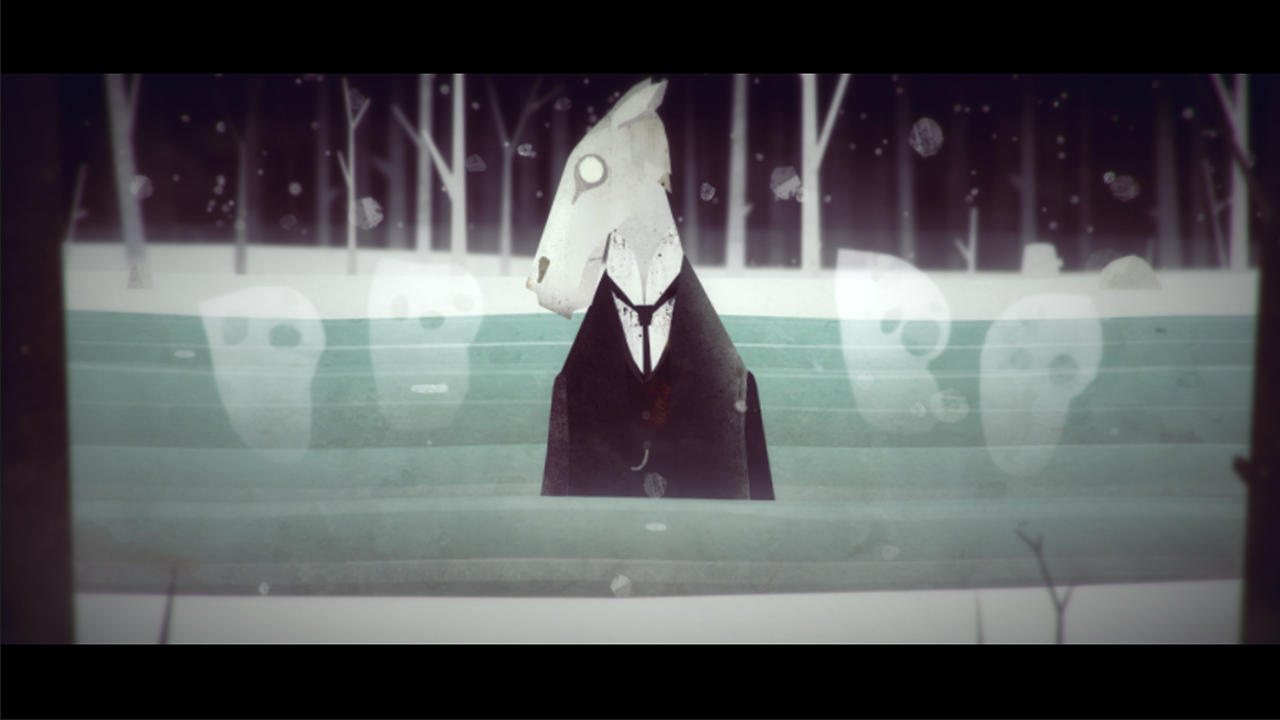
Year Walk
1 2016-02-22T11:00:16-08:00 Chris Hurley c5446147607d795af6dd65cca23bd398e11429be 7871 3 Gameplay screenshot of Year Walk plain 2016-02-27T21:11:50-08:00 Jessica Smith 345b8aec457f5c1447e73008c5e53c74caca36baThis page is referenced by:
-
1
2016-02-12T08:09:01-08:00
Year Walk
17
plain
2016-03-09T14:51:33-08:00
Storytelling Reinvention:
uses multiple layers of information, including a companion encyclopedia application, in order to craft a narrative experienceGame Information
Release Date: February 21st, 2013
Developer: Simogo
Publisher(s): Simogo, Nintendo
Rating: Teen
Genre: Exploratory, Metaphorical, Role-playing, Strategy
Price: $5.99
Website: http://simogo.com/work/year-walk-ios/Årsgång, or Year Walking, is an ancient Swedish form of divination whereby a person performs a complicated ritual in order to catch glimpses of the future (Kuusela). This ritual is important because it is responsible for “temporarily” removing your Christianity and allowing visions of “supernatural beings” (Kuusela). The game Year Walk brings this lore to everyone as we follow first Daniel Svensson as he sees a disturbing glimpse of the future and then Theodore Almsten as a man from a much later time who is fascinated by the concept of Year Walking.
In an interview Simon Flesser, co-founder of Simogo and developer of Year Walk, describes the game as a “natural evolution” of the company's other games with a focus on “powerful” emotions compared to something more cheerful (Shilling). Removing all aspects that make it feel like a game (except for a loading progress bar to reassure users) is an intentional move on Simogo’s part because the company wished “to keep it as a very beautiful, short story experience…” (Shilling).
References:
1. Tommy Kuusela (Stockholm University, Sweden). “Swedish Year Walk: From Folk-tradition to Computer Game” . Web. 09 Mar. 2016. <https://www.academia.edu/6624109/Swedish_Year_Walk._From_Folk-tradition_to_Computer_Game>
2. Chris Schilling. Year Walk Interview. The telegraph. 23 Feb. 2013. Web. 09 Mar. 2016.
< http://www.telegraph.co.uk/technology/video-games/video-game-reviews/9889675/Year-Walk-interview.html >.
Researcher: Ellen Najera-Hohlbein