All's Well That Starts Well, It Never Ends
Nina Gurianova, in The Aesthetics of Anarchy, makes a clear distinction between early Soviet Avant-garde and post-revolution avant-garde. She claims that the early avant-garde is an autonomous era with little connection to the Constructivism of the post-revolution era. This distinction is important, however, we cannot completely separate the two, even just for the reason that many key actors of both periods overlap. For example, many Constructivists were students of Malevich, and some Suprematists themselves evolved from Suprematism to Constructivism.
Anarchism, Counter-Hegemony, and the Early Russian Avant-garde 1912-1917
- Victory over the Sun
- Abstraction
- Malevich
- Dimensionality
- Abstraction in language
- Futurist book a paradox
Constructivism and Marxist Hegemony 1918-1925
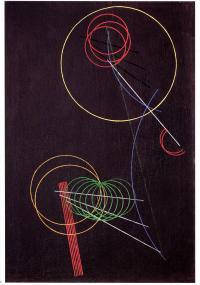
- Mechanical circles
- Rodchenko
- Circles as propaganda
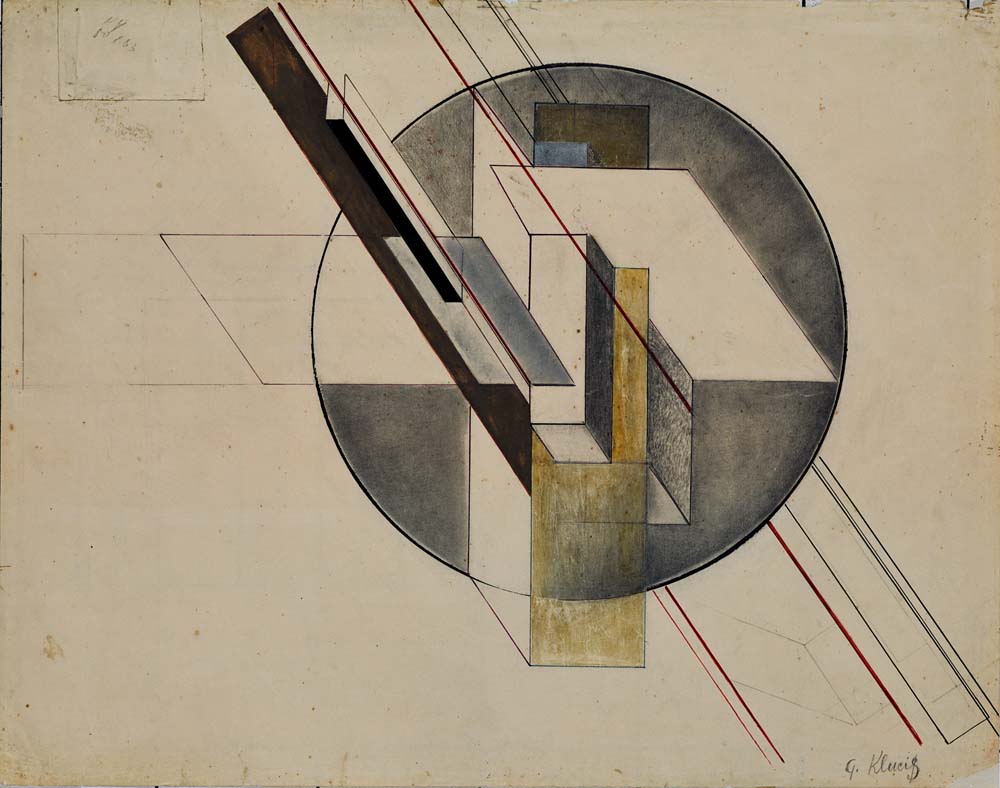
- Klutsis and Lissitzky
Vesnin
Stenberg
Klutsis
Klutsis
Malevich
Rodchenko
Rodchenko
Rodchenko
Rodchenko
Rodchenko
This page has paths:
- The Big Bang Theory Evan Sarafian