Thanks for your patience during our recent outage at scalar.usc.edu. While Scalar content is loading normally now, saving is still slow, and Scalar's 'additional metadata' features have been disabled, which may interfere with features like timelines and maps that depend on metadata. This also means that saving a page or media item will remove its additional metadata. If this occurs, you can use the 'All versions' link at the bottom of the page to restore the earlier version. We are continuing to troubleshoot, and will provide further updates as needed. Note that this only affects Scalar projects at scalar.usc.edu, and not those hosted elsewhere.
1media/4227744070_bac6ef9cee_b.jpg2016-12-02T07:51:52-08:00Alexandra Wilkins6f8668d5af05523f2b6afe25ae0c32d1777276661238023plain3559092016-12-05T09:30:12-08:00Ben Cross45db983d24817c18de528a2d44b68257b3260d11Conclusion: Where do we go from here?Now it's time to take what you've learned about complex societies and apply it to some actual archaeological data. We have included seven case studies here, spanning many different time periods and geographic areas.
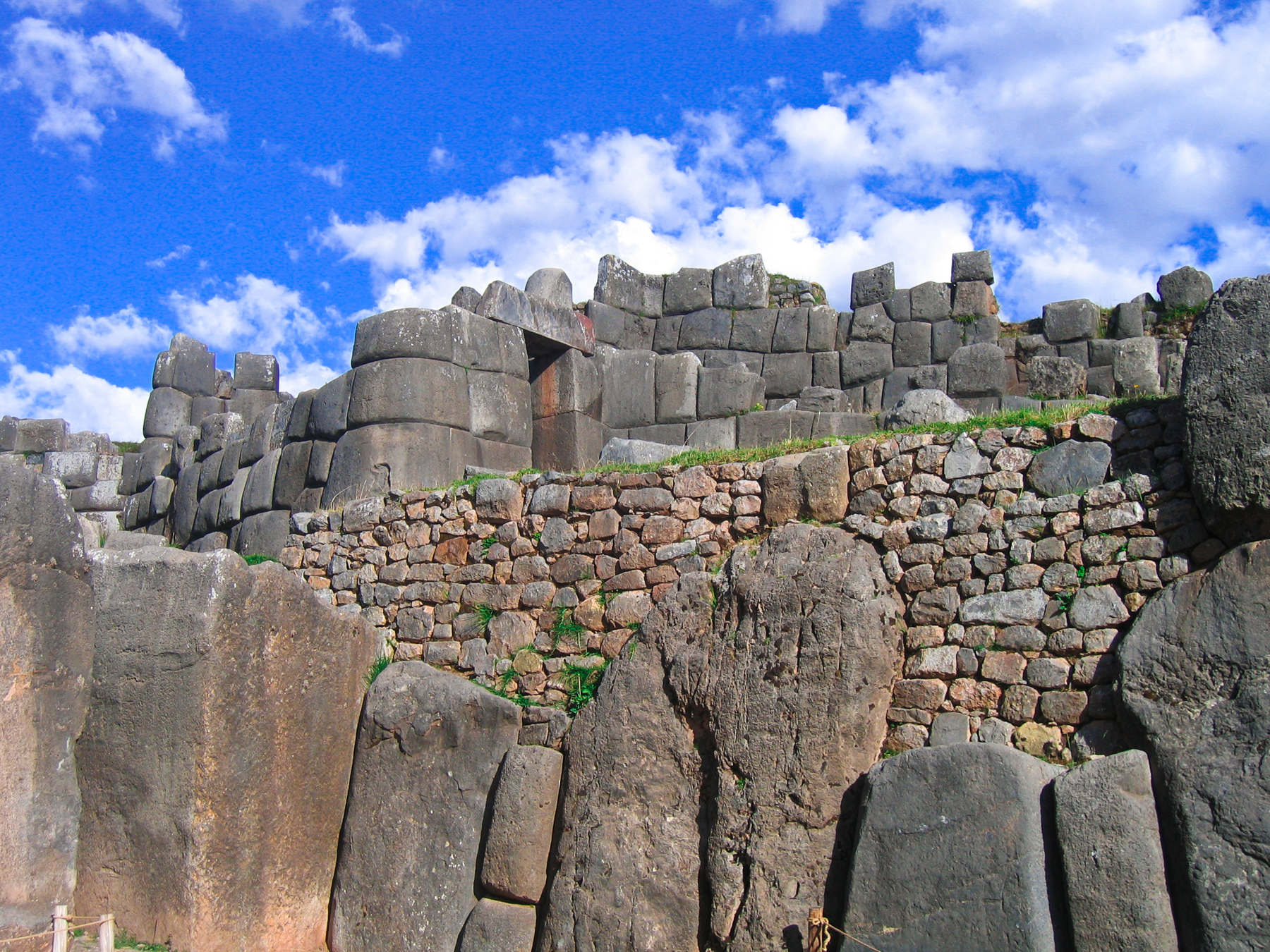
You need only visit the societies of your choosing, though we recommend taking a look at them all! You might start with a visit to Cahokia, an early bustling North American city, before making your way across the pond to one of the most famous cities of all: Athens. While you're in the area, stop in at Ugarit for mythology and religions, or Çatalhöyük for fascinating domestic households and burials. If you prefer North and South American climates, Cusco and Teotihuacan might be for you. And don't forget to venture over to the Nok in West Africa for figurines and a site you won't soon forget.
Each case study includes information about subsistence strategies, political organization, economy, environment, and ideology within the particular site or civilization. We've included some guiding questions alongside each example, but what we really would like you to focus on are which, if any, of the provided theoretical definitions best explain the cases, and whether or not you think the civilizations can be classified as complex. After you finish moving through the case studies, be sure to visit the "Conclusions" page for a wrap-up of the exhibit. Enjoy!
This page has paths:
1media/4227744070_bac6ef9cee_b.jpgmedia/4994574300_320376b26a_b.jpg2016-12-02T06:31:56-08:00Alexandra Wilkins6f8668d5af05523f2b6afe25ae0c32d177727666The Politics of RepresentationRebecca Mayus22Who tells the story of the past, and how can that telling alter the narrative?image_header3559162016-12-05T04:38:03-08:00Rebecca Mayus5e8fc41378d2141ec24b417476c2f48bd49924ee
1media/4227744070_bac6ef9cee_b.jpgmedia/google earth.jpg2016-12-02T07:52:03-08:00Alexandra Wilkins6f8668d5af05523f2b6afe25ae0c32d177727666Conclusion: Where do we go from here?Rebecca Mayus20plain3559252016-12-05T10:58:00-08:00Rebecca Mayus5e8fc41378d2141ec24b417476c2f48bd49924ee
1media/4227744070_bac6ef9cee_b.jpgmedia/google earth 1.jpg2016-10-31T12:02:42-07:00Ben Cross45db983d24817c18de528a2d44b68257b3260d11Introduction62What does it mean to call a society "complex?"image_header2016-12-05T10:26:32-08:00Ben Cross45db983d24817c18de528a2d44b68257b3260d11
1media/4227744070_bac6ef9cee_b.jpgmedia/google earth.jpg2016-12-02T07:52:03-08:00Alexandra Wilkins6f8668d5af05523f2b6afe25ae0c32d177727666Conclusion: Where do we go from here?20plain3559252016-12-05T10:58:00-08:00Rebecca Mayus5e8fc41378d2141ec24b417476c2f48bd49924ee