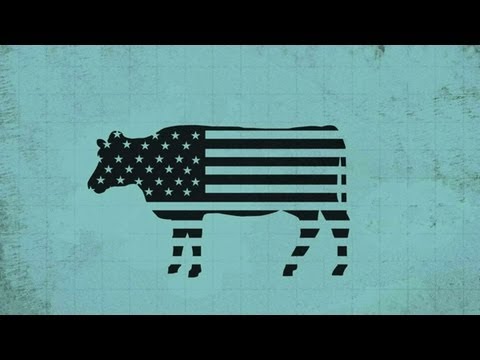
The mass production of beef in the United States makes seventy-four billion dollars annually. Livestock takes up a lot of space, it takes up about thirty percent of the entire earth’s land area which includes pastures and land use to grow the feed for the cows. In fact, in Brazil they’re cutting down more forests for livestock (which creates pollution, and trees aren’t there to absorb carbon dioxide). 1800 gallons of water is used to make a single pound grain fed beef which is four times more than chicken, and ten times more than wheat. Cows produce methane gas, methane gas has twenty-one times more climate changing power than carbon dioxide. Cow’s manure also creates nitrous oxide, which has three hundred more times the global warming effect of carbon dioxide. Cow manure is responsible of ⅔ of the world’s nitrous oxide pollution. Also, seventeen billion nitrogen fertilizer is needed to grow feed for cows, runoff from fertilizer and manure flows into rivers and oceans which create huge algae blooms which sucks oxygen from water and leaves dead zones which makes it really hard for fish, and other water animals to survive. Transportation of cows to slaughter, slaughter to facility, facility to facility, facility to supermarkets contributes to greenhouse gas emission.
Studies have shown that eating a lot of red meat is linked with increased risk of cancer, heart disease, and diabetes. Heart disease, and cancer and the first and second leading causes of death in the United States We have a choice, we can make the decision to eat less red meat. Reducing our intake of red meat will reduce the demand of red meat and, large enough numbers, will reduce mass production of beef will lead us to longer, healthier lives, and with a less unpolluted environment. People need to be informed about the detrimental costs of mass beef production. A small choice, towards a big solution.
This page has paths:
-
1
media/image1 (1).jpeg
media/image1 (1).jpeg
2019-10-06T20:45:48-07:00
Kayde Minervino
7ce542fa4a24ab85113fde723607845f64abd59c
Kayde's Story of Self
Kayde Minervino
29
Some say, "put a citrus fruit on top of your drink... It will taste sub lime"
image_header
2019-12-22T07:02:10-08:00
Kayde Minervino
7ce542fa4a24ab85113fde723607845f64abd59c
-
1
2019-09-30T06:15:09-07:00
Food and Society Workshop
0826c60623ca5f5c8c1eb72fc2e97084d0c44cf8
Truth, Reconciliation, and Food Video project
Food and Society Workshop
24
This page provides an overview of the Truth, Reconciliation, and Food video project, with paths describing specific parts of the project
plain
2019-12-27T06:27:46-08:00
Food and Society Workshop
0826c60623ca5f5c8c1eb72fc2e97084d0c44cf8
This page references:
-
1
2019-10-30T08:26:47-07:00
The Hidden Costs of Hamburgers
1
Americans love hamburgers -- we eat about three burgers a week. But what are the hidden environmental costs? See sources from the Center for Investigative ...
plain
2019-10-30T08:26:47-07:00