Thanks for your patience during our recent outage at scalar.usc.edu. While Scalar content is loading normally now, saving is still slow, and Scalar's 'additional metadata' features have been disabled, which may interfere with features like timelines and maps that depend on metadata. This also means that saving a page or media item will remove its additional metadata. If this occurs, you can use the 'All versions' link at the bottom of the page to restore the earlier version. We are continuing to troubleshoot, and will provide further updates as needed. Note that this only affects Scalar projects at scalar.usc.edu, and not those hosted elsewhere.
The Evolution of the American DinerMain MenuThe Original Lunch WagonsWhere the American Diner found its audience and purpose.T. H. Buckley- Come Get Your American DreamFinding success in a new business.The Transition from Horse-Drawn to StationaryWhy Lunch Wagons found themselves abandoning the horse.The Classic American EntrepreneurshipThe appeal of owning a lunch wagon to working-class Americans.The Masters of the Booming Lunch Car IndustryAppealing to the customersThe effort to appeal to a wider customer base.Decline of the American DinerCultural Relics of the Twenty-First CenturyMedia GalleryMedia Used and Collected in the Making of this ProjectCreditsSources Used in ResearchCassidy Nemickcf80a2fbfbf26cc0303a79834a26a4cb79a11a9b
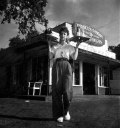
Not all car hops wore roller skates. Though it was a popular addition to car hop uniforms, and now remains as a symbolic trait of the car hops of the past.
12016-11-26T19:14:32-08:00Cassidy Nemickcf80a2fbfbf26cc0303a79834a26a4cb79a11a9bBetty Whittington working as a Car Hop1Betty Whittington, car-hop, serves motorists stopping at Prince's Drive-in spot in 1945. Houston, TX. From the National Archives 111-SC box 692 329520. Photo can be accessed at https://flic.kr/p/5a5WHimedia/2728240035_a340fe7907_b.jpgplain2016-11-26T19:14:32-08:00Cassidy Nemickcf80a2fbfbf26cc0303a79834a26a4cb79a11a9b