Thanks for your patience during our recent outage at scalar.usc.edu. While Scalar content is loading normally now, saving is still slow, and Scalar's 'additional metadata' features have been disabled, which may interfere with features like timelines and maps that depend on metadata. This also means that saving a page or media item will remove its additional metadata. If this occurs, you can use the 'All versions' link at the bottom of the page to restore the earlier version. We are continuing to troubleshoot, and will provide further updates as needed. Note that this only affects Scalar projects at scalar.usc.edu, and not those hosted elsewhere.
The Shadow of World War II in Modern Japan: Professor's ManualMain MenuHow to Use this ModuleAbstractAn introduction to this moduleModule MaterialsTerminologyScheduleIntroduction to JapanJapan and World War IICommunityDragon Head 『ドラゴンヘッド』Discussion: Dragon Head"Victim's History"Grave of the Fireflies 『火垂るの墓』Discussion: Grave of the FirefliesHiroshimaBarefoot Gen 『はだしのゲン』Discussion: Barefoot GenGodzilla 『ゴジラ』Discussion: GodzillaGodzilla, Mothra, and King Ghidorah: Giant Monsters All-Out Attack!『ゴジラ・モスラ・キングギドラ 大怪獣総攻撃』Discussion: All-Out Attack!Godzilla Resurgence 『シン・ゴジラ』Discussion: Godzilla ResurgenceModule Wrap UpBradley J. Wilsond07e2adfeaea18284aa4bc3bb77cb735351313e9
Japan and World War II
12017-07-27T11:15:58-07:00Bradley J. Wilsond07e2adfeaea18284aa4bc3bb77cb735351313e9207781plain2017-07-27T11:15:58-07:00Bradley J. Wilsond07e2adfeaea18284aa4bc3bb77cb735351313e9In 1940, Japan agreed to sign the Tripartite Agreement with Italy and Germany, solidifying their place within the Axis powers. Spurred by the perceived necessity of colonialism, Japan invaded Korea and parts of China in order to expand their empire. However, due to sanctions placed upon the Axis powers by the United States and her allies, the Japanese slowly started to weaken due to lack of supplies. This prompted the Japanese to attack the United States at Pearl Harbor on December 7th 1941, initiating the official U.S. entry into World War II.
As the war raged on, Japan’s position grew dire. Spurred by unrivaled nationalism, the Empire of Japan fought tooth and nail on each front. Nevertheless, the average citizen of Japan was starving and enduring a near endless onslaught of firebombing. Indeed, more people were killed and more damage to property was sustained due to the extensive firebombing than the atomic bombs.
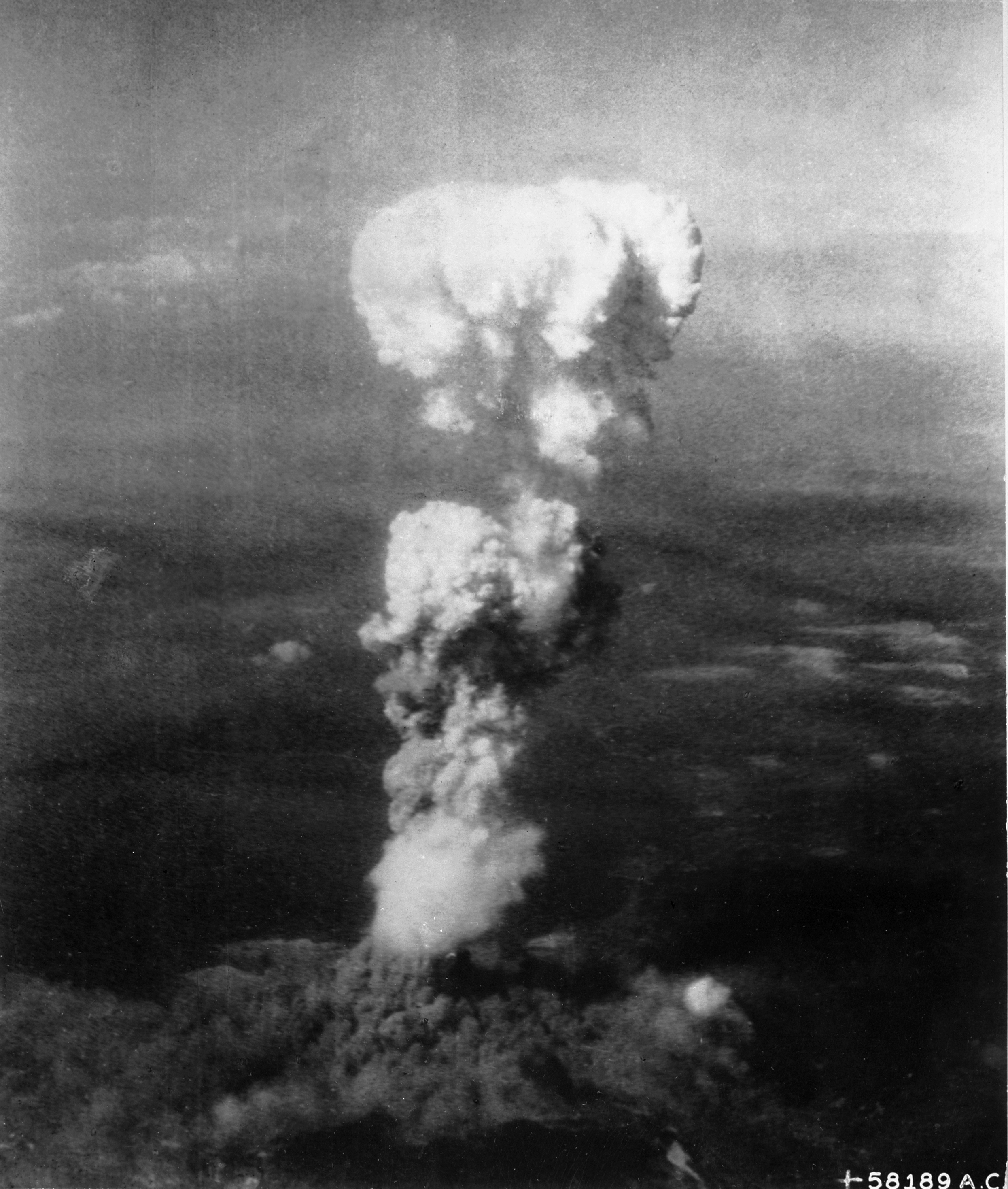
The indomitable spirit of the Japanese continued to fight the war. In response to this, the United States dropped the first atomic weapon on the city of Hiroshima at 8:15 a.m. on the morning of August 6th, 1945. What followed is what some describe as a living hell. In addition to the physical destruction of the bomb, the resulting fires, irradiated “black rain,” and the lingering radiation would kill tens of thousands of people. Those exposed to the bomb, called hibakusha, would assume a special place in Japanese society, for better or worse.
On August 9th, 1945, the United States dropped a second atomic bomb on Nagasaki which led to the ultimate surrender of Japan on August 15th after a public declaration by the emperor of Japan.
Subsequently, Japan was occupied by Allied forces who helped to rebuild the country, but would have a profound effect on the future of the Japanese. The Japanese government and schooling system was restructured to more closely match a democratic Western model. Furthermore, the divine nature of the emperor (a lineage that can supposedly be traced back to the sun goddess, Amaterasu), was denied in the Humanity Declaration on January 1st, 1946. Japan was, officially, no longer a nation led by a living god.
While post-war Japan saw a period of incredible resurgence on the world stage, the mindset of the Japanese people had been irrevocably changed. With every advancement (women’s rights, technology, etc.) came an increasing sense of bitterness and apprehension towards the government and military which had led them to this point. During this post-war boom, the industry of comic books and animation began to grow.
In a rigid society where the expectation is that the individual is lesser than the community, it can be difficult to express one’s anxieties. Thus did comics and animation become one of the major tools for the Japanese to express themselves without public censure.
This page has paths:
12017-07-27T11:16:03-07:00Bradley J. Wilsond07e2adfeaea18284aa4bc3bb77cb735351313e9TerminologyBradley J. Wilson3plain4854722017-09-15T06:34:13-07:00Bradley J. Wilsond07e2adfeaea18284aa4bc3bb77cb735351313e9
This page references:
12017-07-27T11:16:03-07:00The Fog of War: Eleven Lessons from the Life of Robert S. McNamara1It is the story of America as seen through the eyes of the former Secretary of Defense, Robert S. McNamara. One of the most controversial and influential figures in world politics, he takes us on an insider's view of the seminal events of the 20th Century. Why was this past Century the most destructive and deadly in all of human history? Are we doomed to repeat our mistakes? Are we free to make choices, or are we at the mercy of inexorable historical forces and ideologies? From the firebombing of 100,000 Japanese civilians in Tokyo in 1945 to the brink of nuclear catastrophe during the Cuban missile crisis to the devastating effects of the Vietnam War, The Fog of War examines the psychology and reasoning of the government decision-makers who send men to war. How were decisions made and for what reason? What can we learn from these historical events? As American forces occupy Iraq and the possibility of additional military conflict looms large, The Fog of War is essential viewing for anyone who wants to understand how the American government justifies the use of military force. Combining extraordinary archival footage, recreations, newly declassified White House recordings, and an original score by the Oscar nominated composer, Philip Glass, the film is a disquieting and powerful essay on war, rationality, and human nature.plain2017-07-27T11:16:03-07:00
12017-07-27T11:15:57-07:00Hiroshima Destroyed1By Harry Mimura (cameraman), Daniel A. McGovern (director) [Public domain], via Wikimedia Commonsplain2017-07-27T11:15:57-07:00
12017-07-27T11:16:03-07:00Mushroom Cloud1By Enola Gay Tail Gunner S/Sgt. George R. (Bob) Caron - This media is available in the holdings of the National Archives and Records Administration, cataloged under the National Archives Identifier (NAID) 542192.plain2017-07-27T11:16:03-07:00
12017-07-27T11:16:03-07:00Tanoshii Ninensei1By 講談社 [Public domain], via Wikimedia Commonsplain2017-07-27T11:16:03-07:00