12019-03-07T08:53:49-08:00Emilia Porubcin63ec028064958b3240cc8e4e010f355faa0c8e123323011structured_gallery2019-05-01T18:09:21-07:00Emilia Porubcin63ec028064958b3240cc8e4e010f355faa0c8e12PeopleThese three objects ushered the dead to the afterlife, but they have afterlives of their own. Each saw the insides of underground tombs; each was excavated under the hot Egyptian sun; each traversed thousands of miles from Egypt to America. In the process, these objects have circulated between archaeologists, dealers, and scholars. In the great 1906 San Francisco Earthquake, they were nearly destroyed, but through our recent efforts to stabilize these artifacts, research their materials through non-destructive methods, and present them to the Stanford community, we have begun to bring them back to life.
This page has paths:
12019-04-16T19:18:12-07:00Emilia Porubcin63ec028064958b3240cc8e4e010f355faa0c8e12MaterialsChristina J. Hodge21plain8607822019-06-18T02:37:18-07:00Christina J. Hodgeb0448a0ebf7b6fff7b74ba40ef2cdd594c9bfcf9
Contents of this tag:
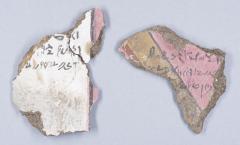
12019-03-07T07:13:42-08:00Emilia Porubcin63ec028064958b3240cc8e4e010f355faa0c8e12Cartonnage Fragments (22231)13This coffin covering was intended to protect the remains of a woman—likely named Senchalanthos—for eternity. What remains after the 1906 earthquake flattened Stanford’s museum is a puzzle of missing pieces, never to be completed. Among hundreds of fragments, we find: bright flower-shaped patterns, depictions of four funerary gods, and writing scrawled onto the cartonnage. The Demotic inscription reads: “May her name be rejuvenated every day.” In recognizing her name in this exhibit, we hope to rejuvenate her spirit.media/22231-2.jpgplain2019-06-14T22:01:12-07:00Christina J. Hodgeb0448a0ebf7b6fff7b74ba40ef2cdd594c9bfcf9
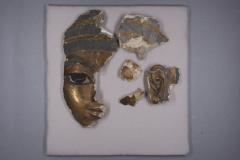
12019-03-07T07:16:06-08:00Emilia Porubcin63ec028064958b3240cc8e4e010f355faa0c8e12Egyptian Funerary Mask (22224)10These fragments preserve the image of an unknown individual in their ultimate, mummified state. Per artistic convention, the thick linear pattern, seen on both the mask and larger surrounding fragments, symbolizes the bandage wrappings encompassing the deceased. It likely framed other designs, including of the sister goddesses Iris and Nephthys. Although now divorced from the body, this cartonnage revitalizes the deceased through the pictorial and symbolic representations of them in life, death, and afterlife.media/22224-6 (1).jpgplain2019-06-14T22:06:43-07:00Christina J. Hodgeb0448a0ebf7b6fff7b74ba40ef2cdd594c9bfcf9
12019-03-07T07:17:24-08:00Emilia Porubcin63ec028064958b3240cc8e4e010f355faa0c8e12Egyptian Funerary Mask (22224)9These fragments preserve the image of an unknown individual in their ultimate, mummified state. Per artistic convention, the thick linear pattern, seen on both the mask and larger surrounding fragments, symbolizes the bandage wrappings encompassing the deceased. It likely framed other designs, including of the sister goddesses Iris and Nephthys. Although now divorced from the body, this cartonnage revitalizes the deceased through the pictorial and symbolic representations of them in life, death, and afterlife.media/22224-4.jpgplain2019-06-22T10:28:02-07:00Emilia Porubcin63ec028064958b3240cc8e4e010f355faa0c8e12
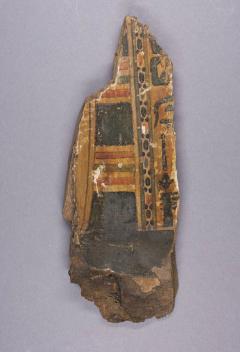
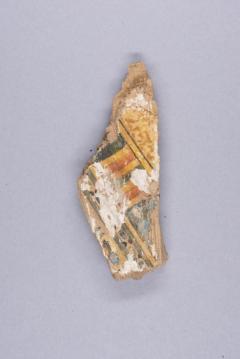
12019-05-08T16:25:10-07:00Emilia Porubcin63ec028064958b3240cc8e4e010f355faa0c8e12Sarcophagus or Coffin Fragments (T2017.7.2)7Despite lacking provenance, these fragments provide significant interpretive possibility. They show the layout and ritual scenes typical of yellow-varnished coffins. White linen robes and a leopard’s-fur wrap identify the disembodied figures as priests. Hieroglyphs run along flat, abstract surfaces. They suggest the formulaic “[Osiris] ruler-of-eternity” and reference the heart, seat of intelligence, memory, and action. Painted plaster has given way to fractured wood. Originally unseen, the fragments now invite us to study construction, materiality, and socioeconomic context.media/T201772-2 EDIT.jpgplain2019-06-22T10:44:53-07:00Emilia Porubcin63ec028064958b3240cc8e4e010f355faa0c8e12
12019-05-08T16:26:26-07:00Emilia Porubcin63ec028064958b3240cc8e4e010f355faa0c8e12Sarcophagus or Coffin Fragments (T2017.7.5)5Despite lacking provenance, these fragments provide significant interpretive possibility. They show the layout and ritual scenes typical of yellow-varnished coffins. White linen robes and a leopard’s-fur wrap identify the disembodied figures as priests. Hieroglyphs run along flat, abstract surfaces. They suggest the formulaic “[Osiris] ruler-of-eternity” and reference the heart, seat of intelligence, memory, and action. Painted plaster has given way to fractured wood. Originally unseen, the fragments now invite us to study construction, materiality, and socioeconomic context.media/T201775-2.JPGplain2019-06-22T10:45:26-07:00Emilia Porubcin63ec028064958b3240cc8e4e010f355faa0c8e12
_thumb.jpg)