Niger Delta Black Gold Blues
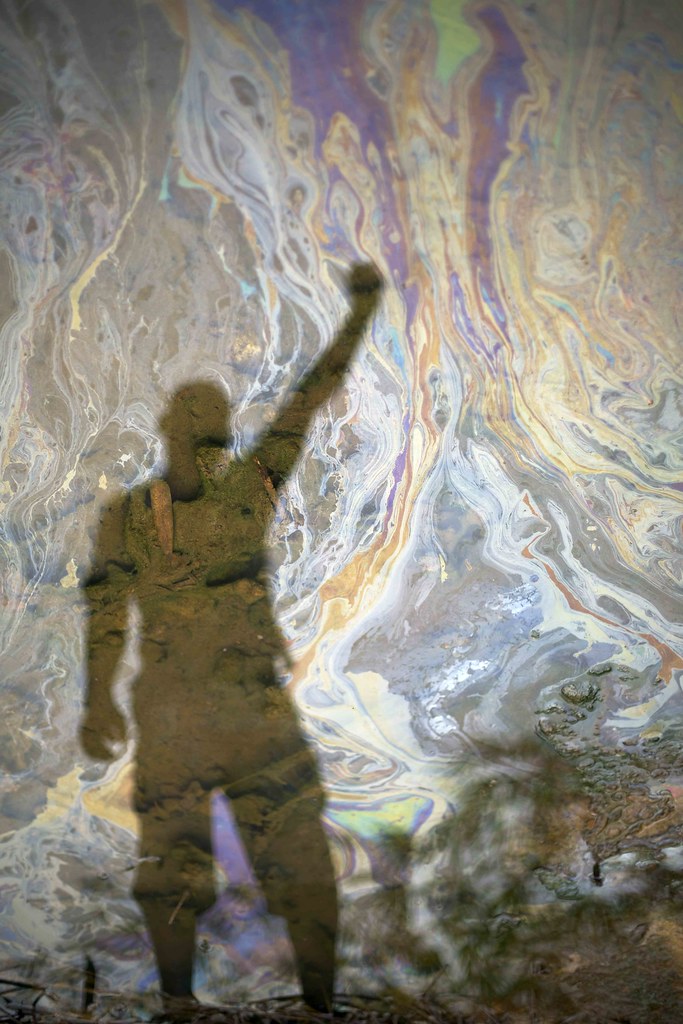
Image header: Eric Dooh, Goi Village. Taken on January 17, 2013 by Marten van Dijl.
This share of Paradise, the delta of my birth,
reels from an immeasurable wound.
Barrels of alchemical draughts flow
from this hurt to the unquestioning world
that lights up its life in a blind trust.
The inheritance I sat on for centuries
now crushes my body and soul.
--Tanure Ojaide, "Delta Blues"
About this Project by Jonathan Steinwand
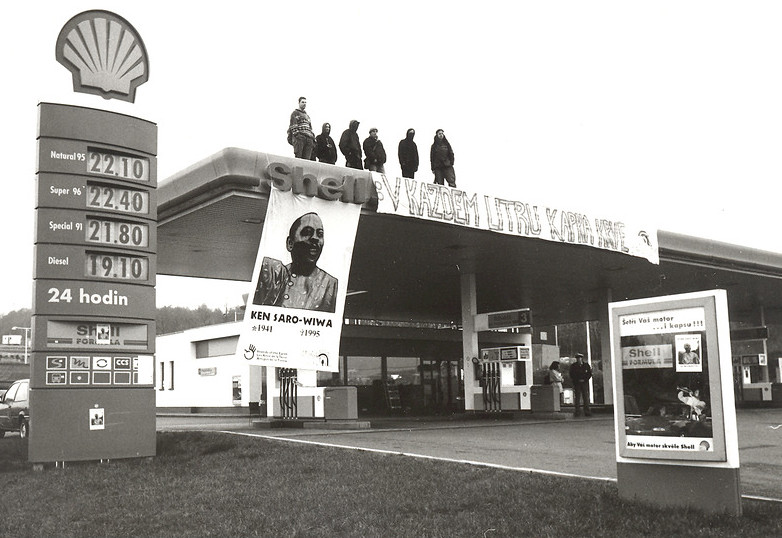
Do we know where the oil we consume comes from? and under what conditions it is extracted? What if the price we pay at the pump does not cover the true costs of the violence and social and environmental injustice involved in oil extraction? Why do we look away from these issues? Can writers help us see the world more clearly so we can become more responsibly engaged? How did we even come to be part of the "unquestioning world / that lights up its life in a blind trust" as Tanure Ojaide puts it in "Delta Blues"?The Niger River Delta in Nigeria provides a compelling case for looking at how people and the environment can be overrun by the scramble for the extraction of precious resources (oil, the "black gold" in this case). Furthermore, taking the lead of Ken Saro-Wiwa, creative writers have in their writing cried out to the world about the environmental injustice they face in a region where corporations, neocolonial bureaucrats, militants, and opportunists conspire to degrade the environment, disgrace the poor, and deface micro-minority identity.
Join Concordia College (Moorhead, Minnesota) students in English 230: Introduction to Literary Scholarship (Spring 2016) as we look into the questions and issues surrounding this environmental sacrifice zone. You can learn more about who we are on the Contributors page and video reflections on the What We Learned from this Project page.
Contents of this path:
- Environmental History of the Niger Delta and its People
- Can Writers Bring About Environmental Justice Where Slow Violence has Devastated the People and the Land?
- The Niger Delta as a Cautionary Tale for Environmental Sacrifice Zones Worldwide
- What We Learned from this Project
- Project Resources
- External Links
- Contributors