Lounging in the 60sMain MenuIntroductionHow to use our websiteObjectsMission 66 OverviewRevitalizing the ParksTaliesin Associated ArchitectsBeaver Meadows Visitor CenterConclusion
Wall Covering (1)
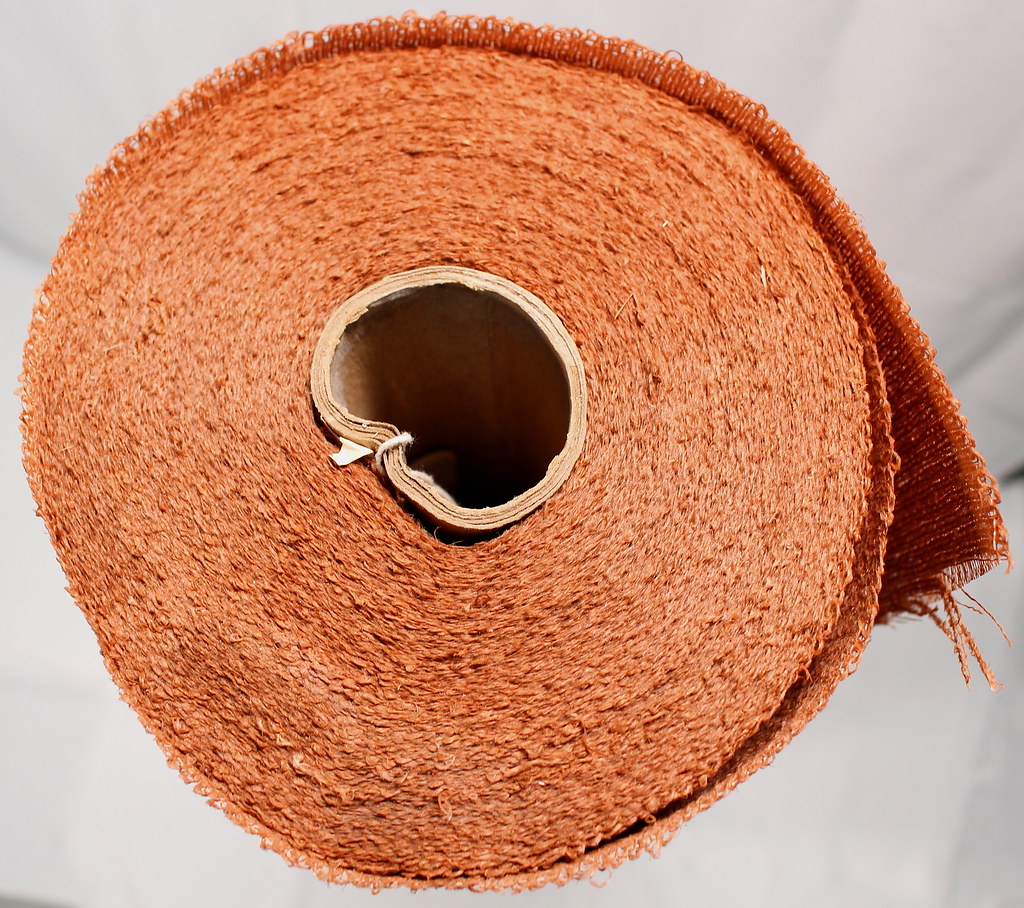
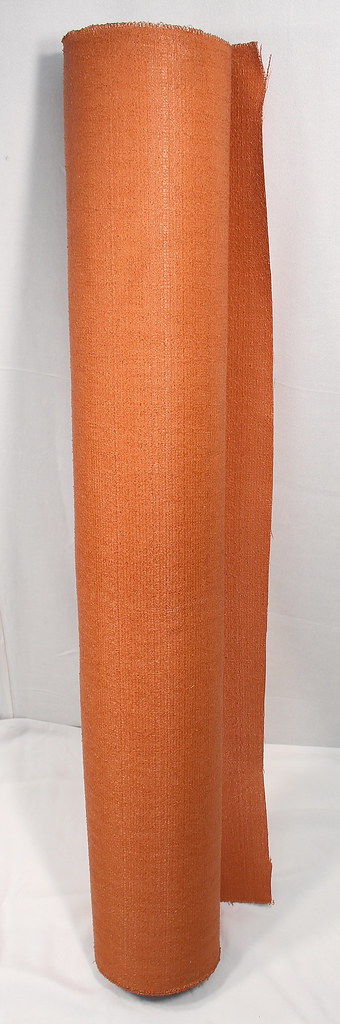
12017-10-10T22:11:55-07:00Natalie Walkerd06abc3ba2c354219bff01b4c57c624fb7021c88240153Cloth. Photo courtesy of Dustin Clark and Natalie Walker.plain2017-12-02T23:18:27-08:00Jordan EK5ee5cb1f8ac73cc6263a0885cedd14b212f95885
Originally placed in the Enos Mills Auditorium at the visitor center, the wall covering added to the overall atmosphere of the theater. Presenting a film to introduce visitors to the scenery and history of Rocky Mountain National Park, the theater played a crucial role in connecting guests’ brief experiences inside the visitor center with the park’s scenic landscape.
With a strong emphasis on park visitors' movement, Mission 66-era buildings and their furniture walked a tightrope between highlighting the park’s natural beauty and displaying architectural prowess through the visitor center’s modernist design. As they appreciated Olgivanna Lloyd Wright’s bold rust-orange color scheme, guests might take note of how the wall covering created a seamless transition between the theater and other parts of the visitor center.