mshoza
1 2016-12-10T22:01:04-08:00 Tshepo Mashimbyi ef84287922703634506ffefa0de6a6c77f9bb9e5 11321 1 post aparthied drum mgagzine that depicts tabloid celbrity culture plain 2016-12-10T22:01:04-08:00 Tshepo Mashimbyi ef84287922703634506ffefa0de6a6c77f9bb9e5This page has tags:
- 1 2016-09-21T05:47:35-07:00 Tshepo Mashimbyi ef84287922703634506ffefa0de6a6c77f9bb9e5 Introduction Tshepo Mashimbyi 9 An overview of the project, reasons behind the concept as well as the content included in the project p visconnections 324491 2017-01-14T16:21:44-08:00 Tshepo Mashimbyi ef84287922703634506ffefa0de6a6c77f9bb9e5
This page is referenced by:
-
1
2016-09-21T05:51:55-07:00
Origins of Drum magazine
6
provides an onverview of the history of the publication from its early days in the 1950s to what it has become in the 21st century , modern day South Africa
visradial
327761
2017-01-16T06:27:04-08:00
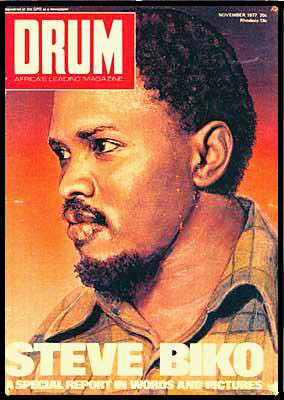
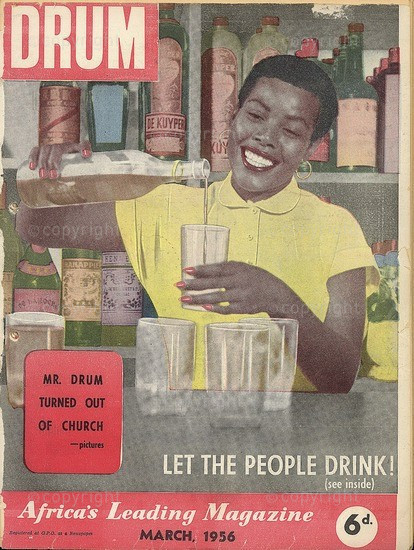
The history of Drum spans over 60 years, the publication was founded during a time of major political and social changes that ensured that the country remained segregated and enforced rules by those in power. In 1951, the first edition of Drum magazine was released with the title of The African Drum- a Magazine for Africa by Africa first appeared in March. Before the founder Jim Bailey and editor Bob Crisp were facing financial problems because of the lack of appeal from the black readers, the sales for the magazine were low and the readers who reside in the townships could not implement the agricultural tips suggested. Bailey implemented a few changes in the management as well as the content which mainly concerned articles that relate to the ecology and agriculture as well as documenting music from the African tribal genre. Bailey realised that there is an emerging evolution of urbanisation that was being formed in many of the black communities that needed to be documented. A shift in strategy aimed at winning more readers saw increasing numbers of black male journalist and photographers being hired (Clowes 2008:180).
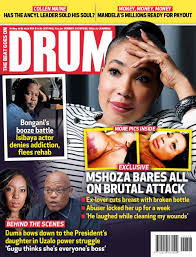
The editor team was changed to include journalist such as Henry Nxumalo and Anthony Sampson worked together to revamp the design, aesthetics and content to fit in with the demands of the market. One of the changes that followed the magazine was to emulate an American culture, which was seen as being more contemporary, the decision was in support of the African advisory board to assist with the transition. In the initial years the publication was only in circulation in South Africa, where the major focus was on Johannesburg, and then moved to include covering the rest of the African continent. In an effort to depict the true realities of African lives, the publication faced clashes with the state as it enforced “efforts to censor the press escalated from the middle of the 1950s and in 1956 for instance ( Clowes 2008:181). Between the years 1965 and 1968 the publication faced major troubles as it was banned by the state. Drum magazine is still in monthly circulation today, but the direction has completely changed from being political driven as “powerful shapers of public opinion” to that of publication that embrace tabloid stories.