Scalar's 'additional metadata' features have been disabled on this install. Learn more.
Trinity HistoryMain MenuTrinity Episcopal Church, Fort Wayne: A HistoryBuilding and GroundsA history of the building and groundsBishopsBishops of the Diocese of Northern IndianaRectorsMusic and ChoirMusic at Trinity Episcopal Church through the YearsSchools, Programs, and Organizationstesttest timemapperErika Mann5455e1a7748f5964f1814c21caf1072e3f05f299
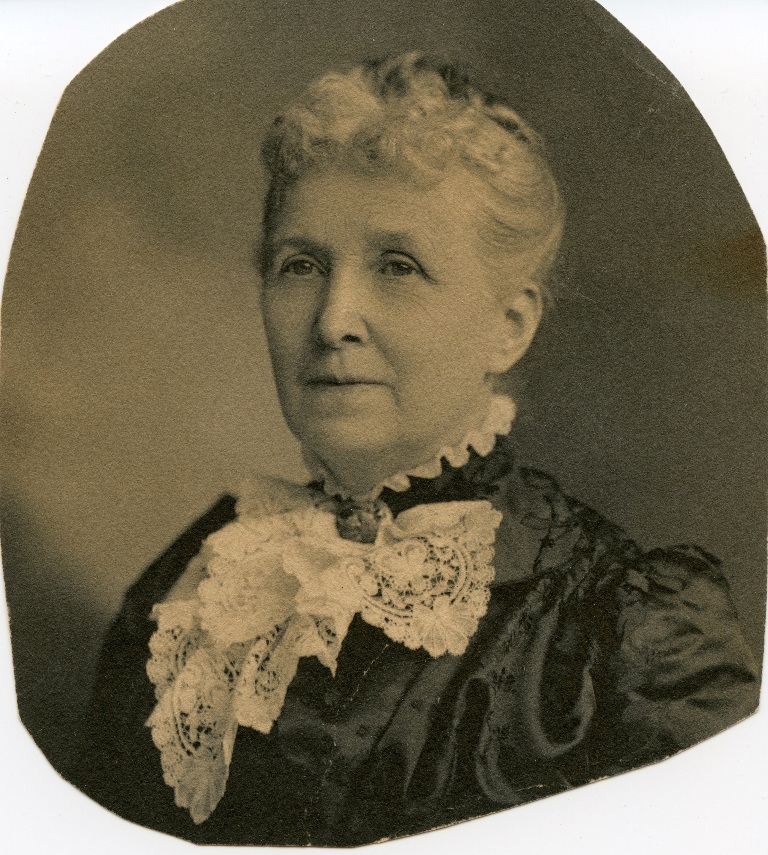
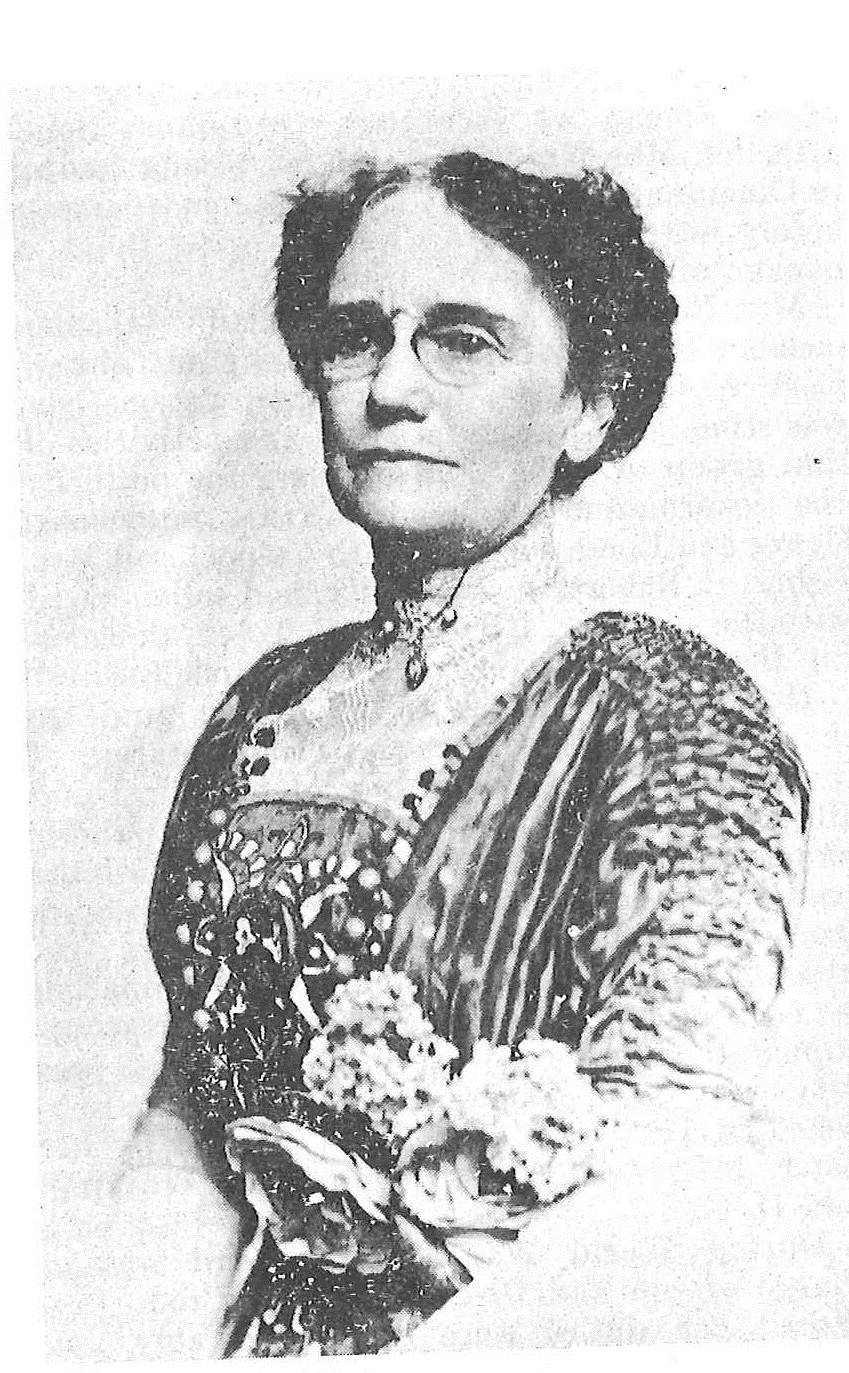
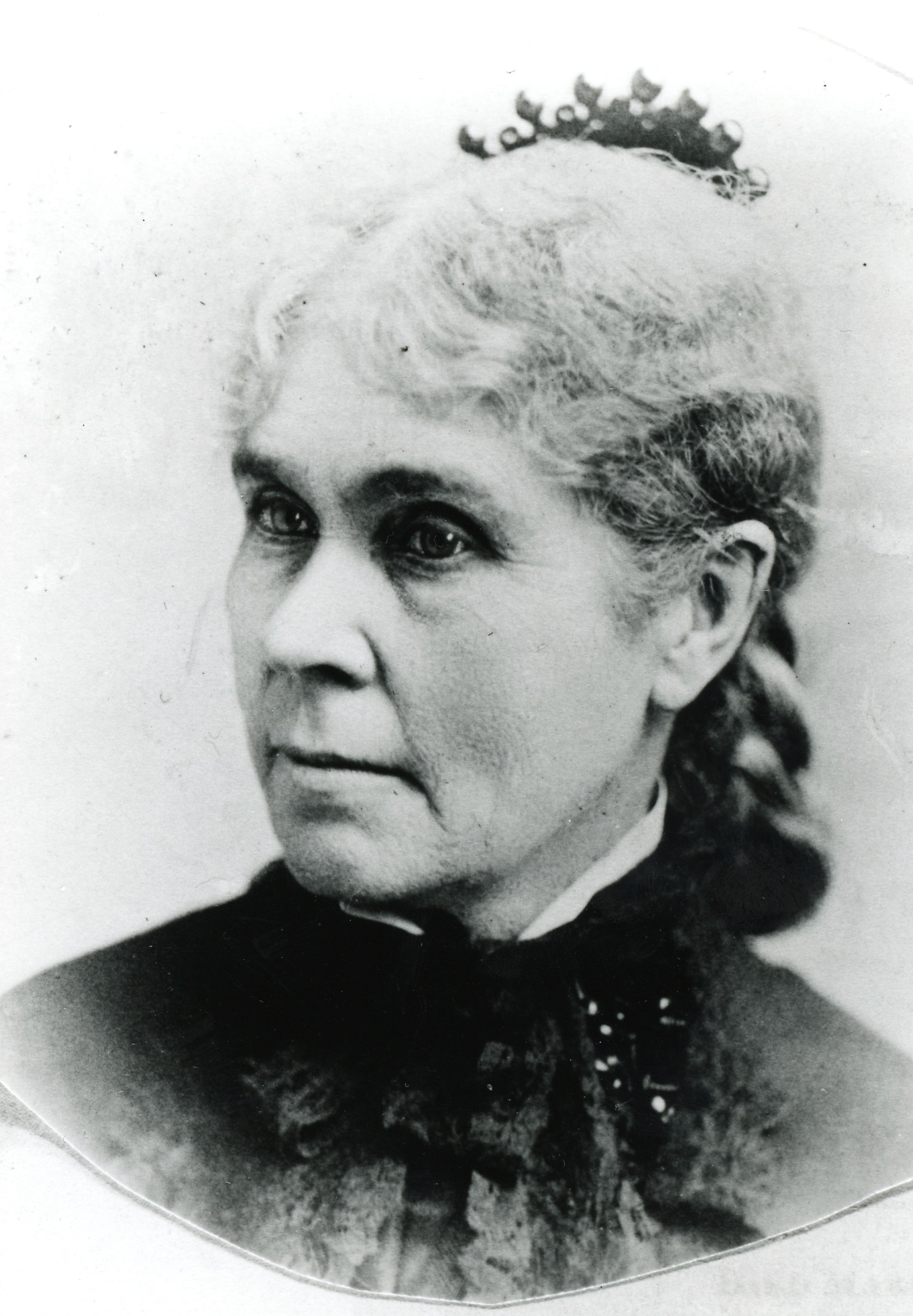
Grace (Gorham) Bond
1media/(6) Grace Gorham Bond_thumb.jpg2019-12-02T06:14:37-08:00John David Beatty85388be94808daa88b6f1a0c89beb70cd0fac252310221Grace (Gorham) Bondplain2019-12-02T06:14:37-08:00John David Beatty85388be94808daa88b6f1a0c89beb70cd0fac252
This page is referenced by:
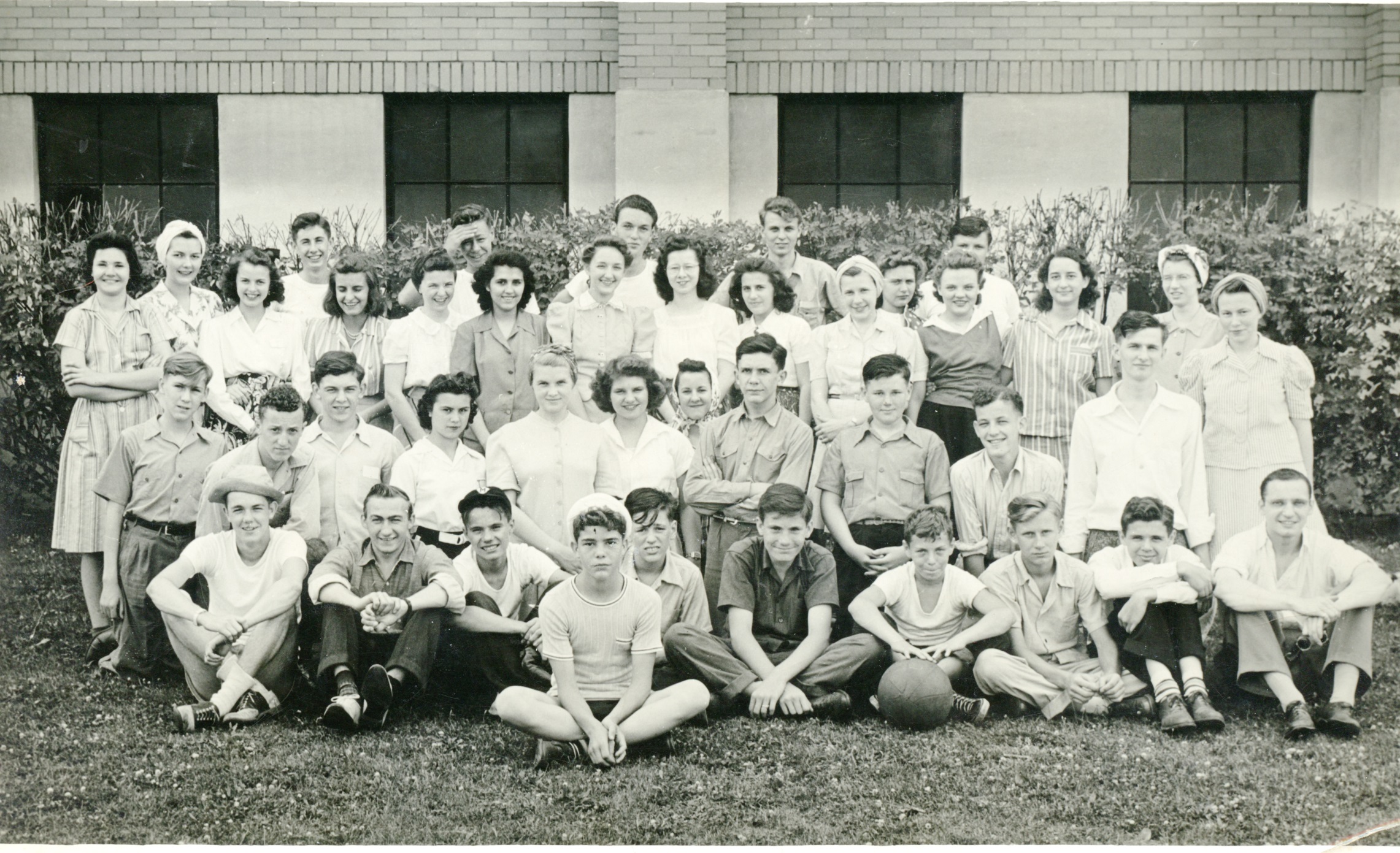
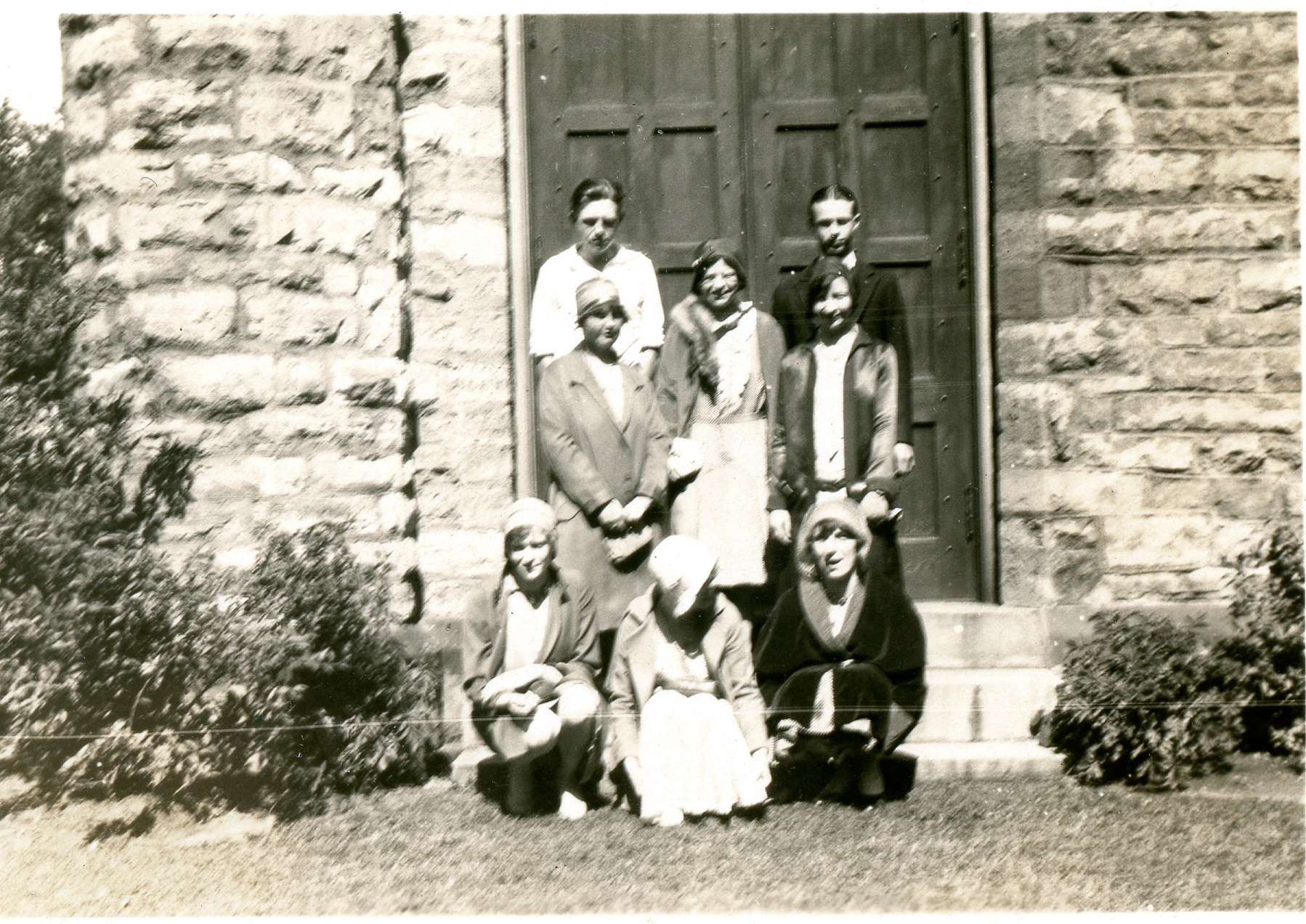
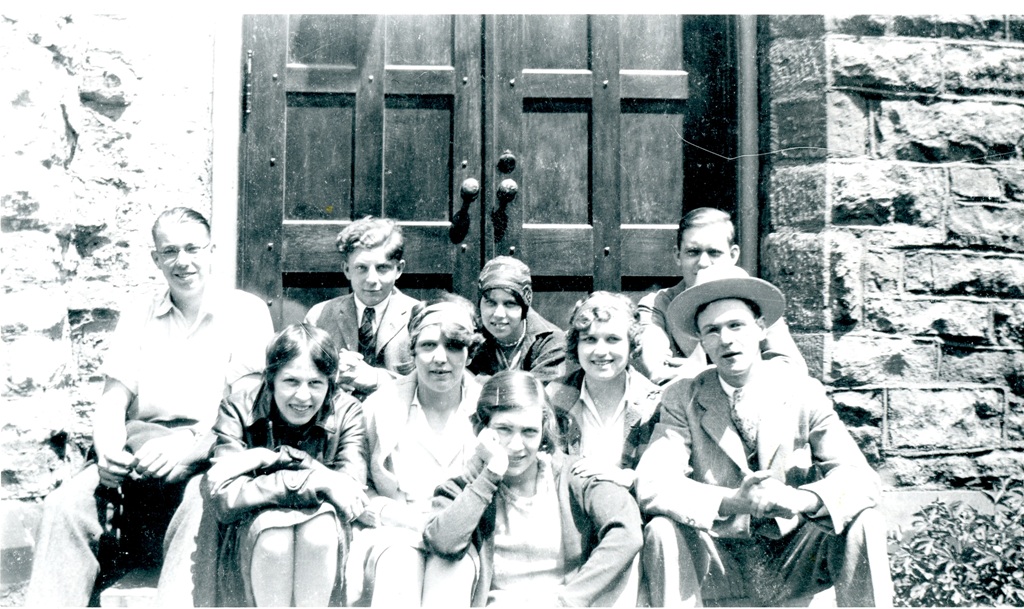
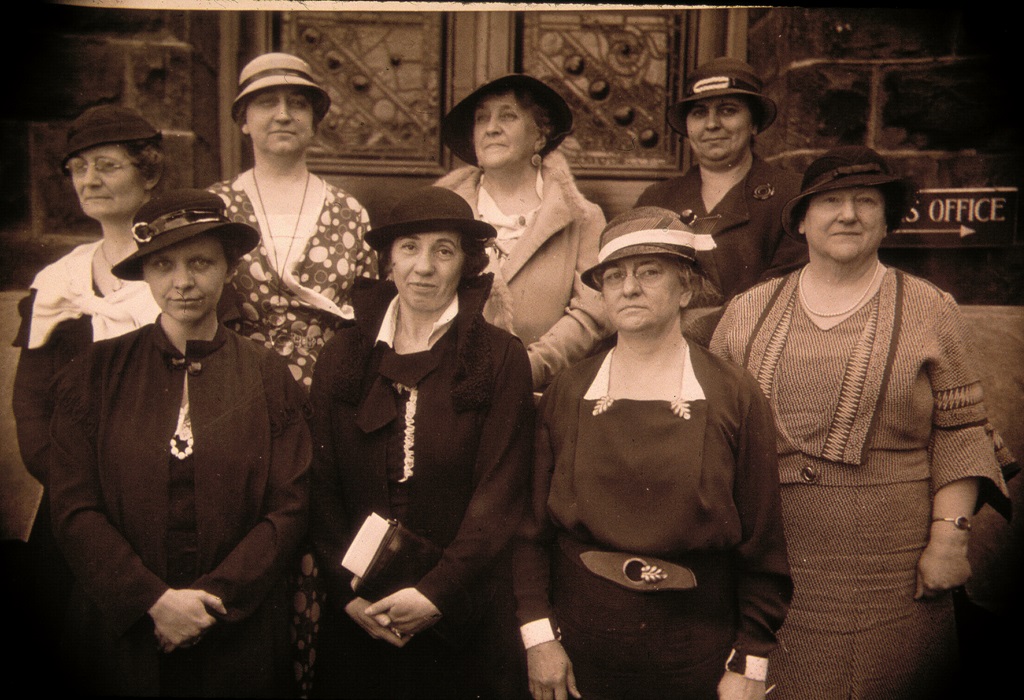
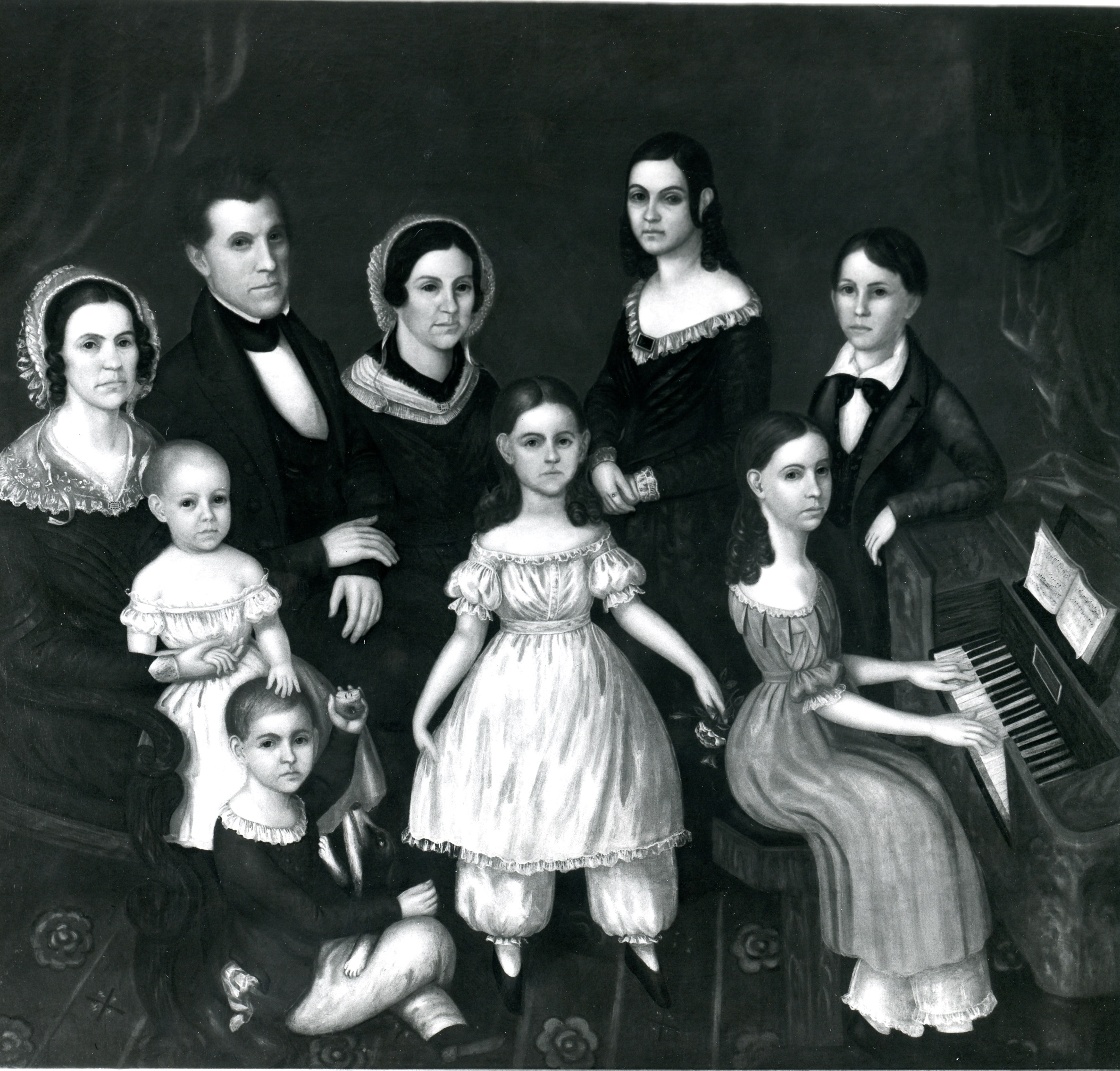
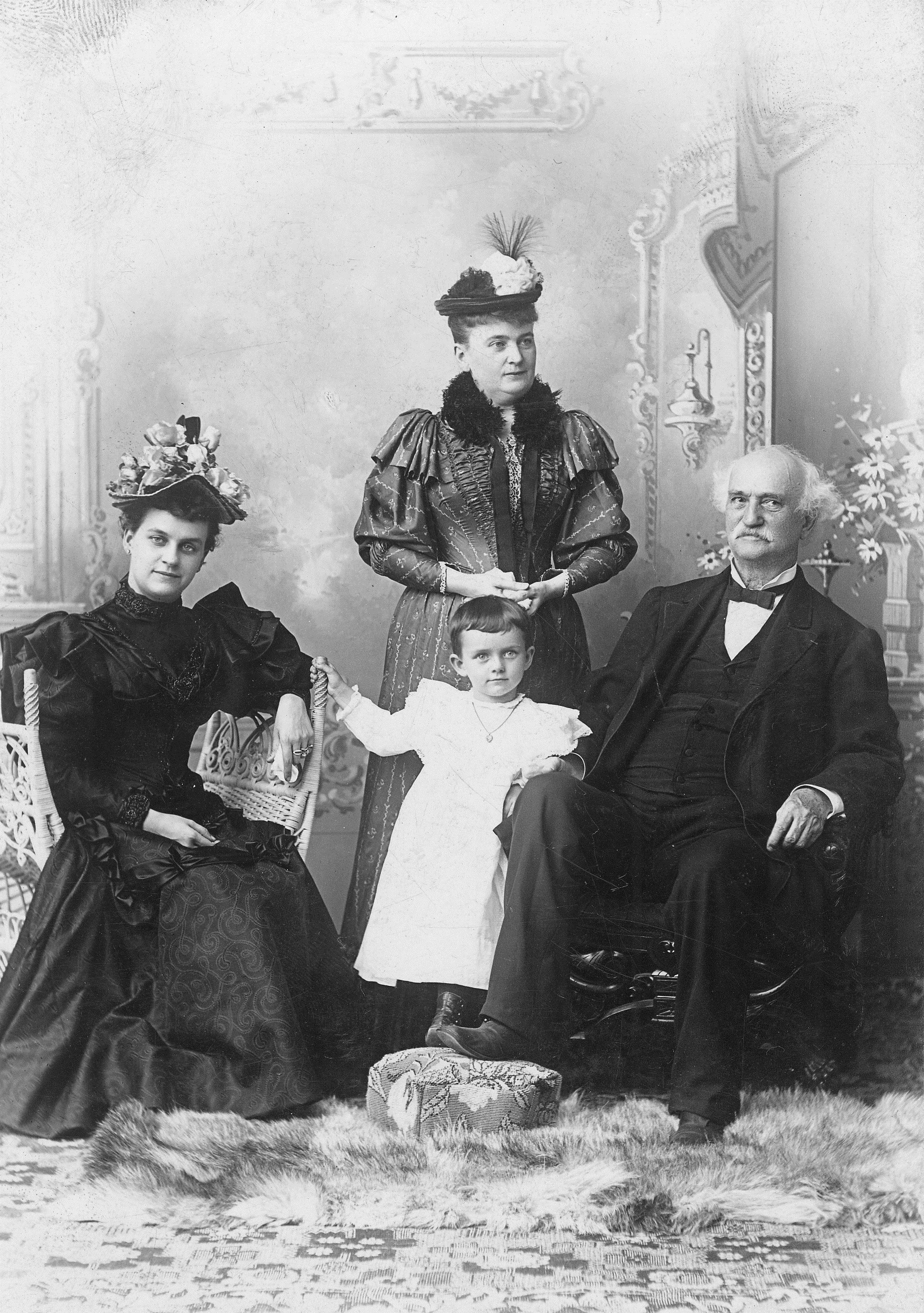
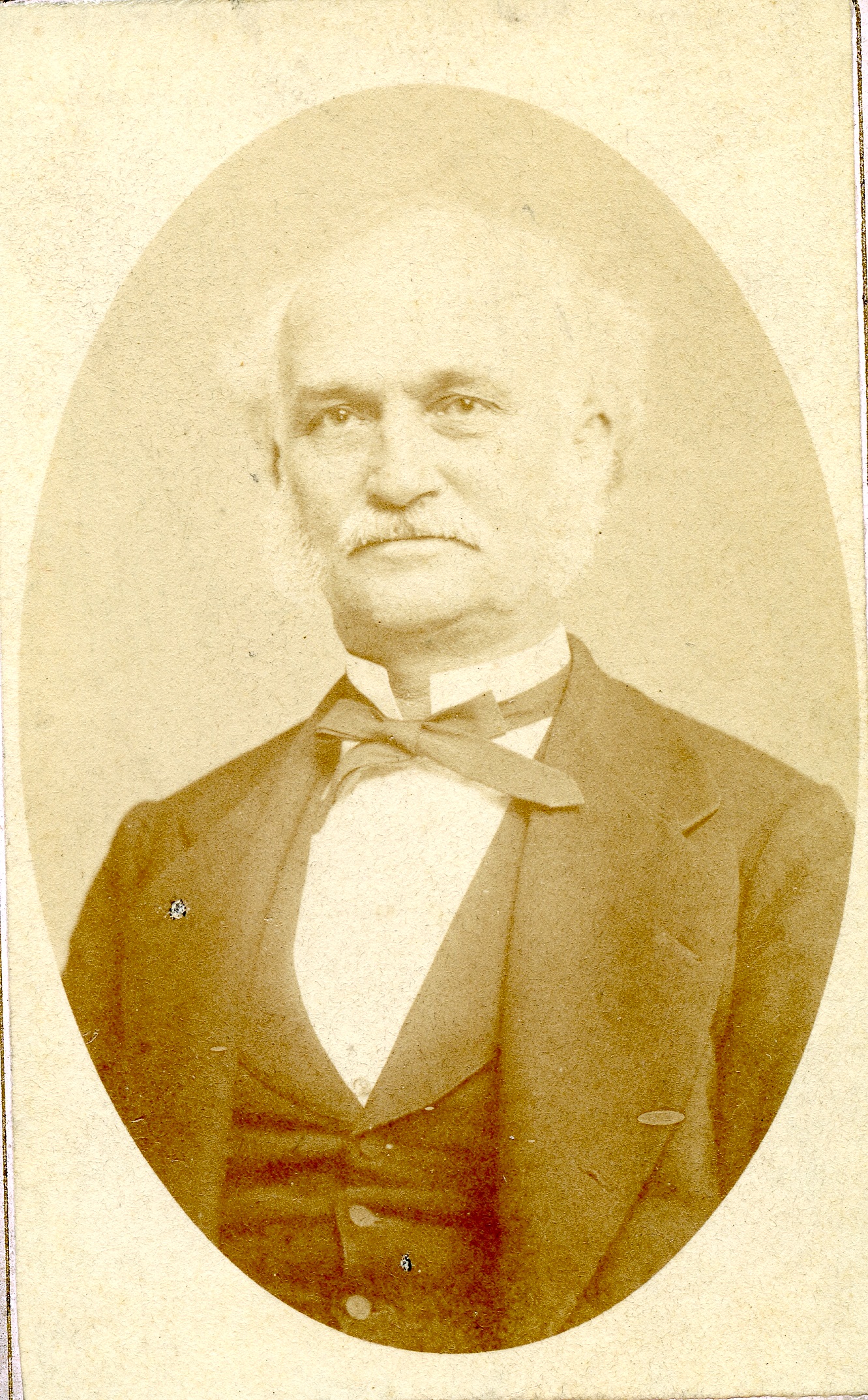
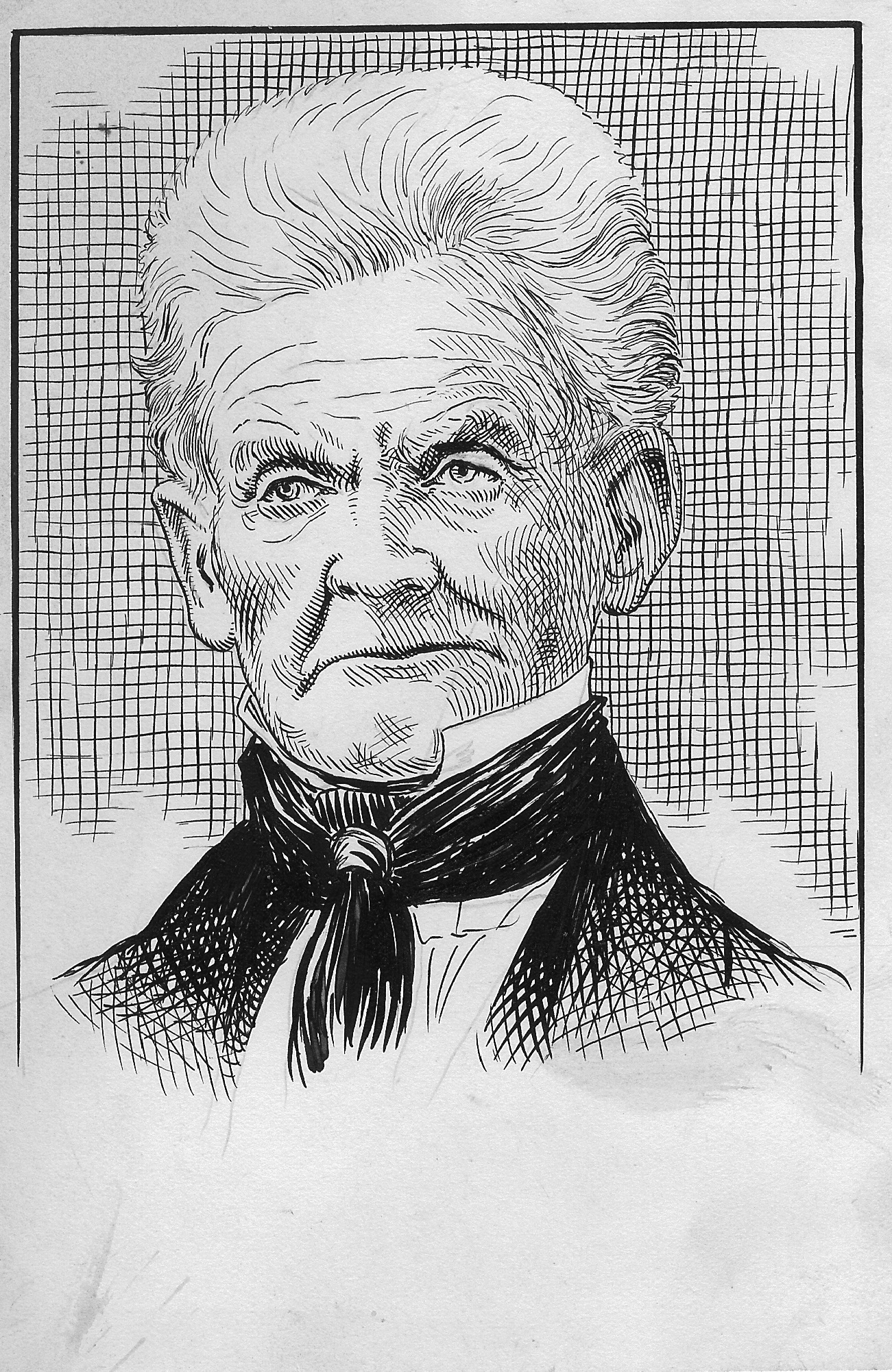
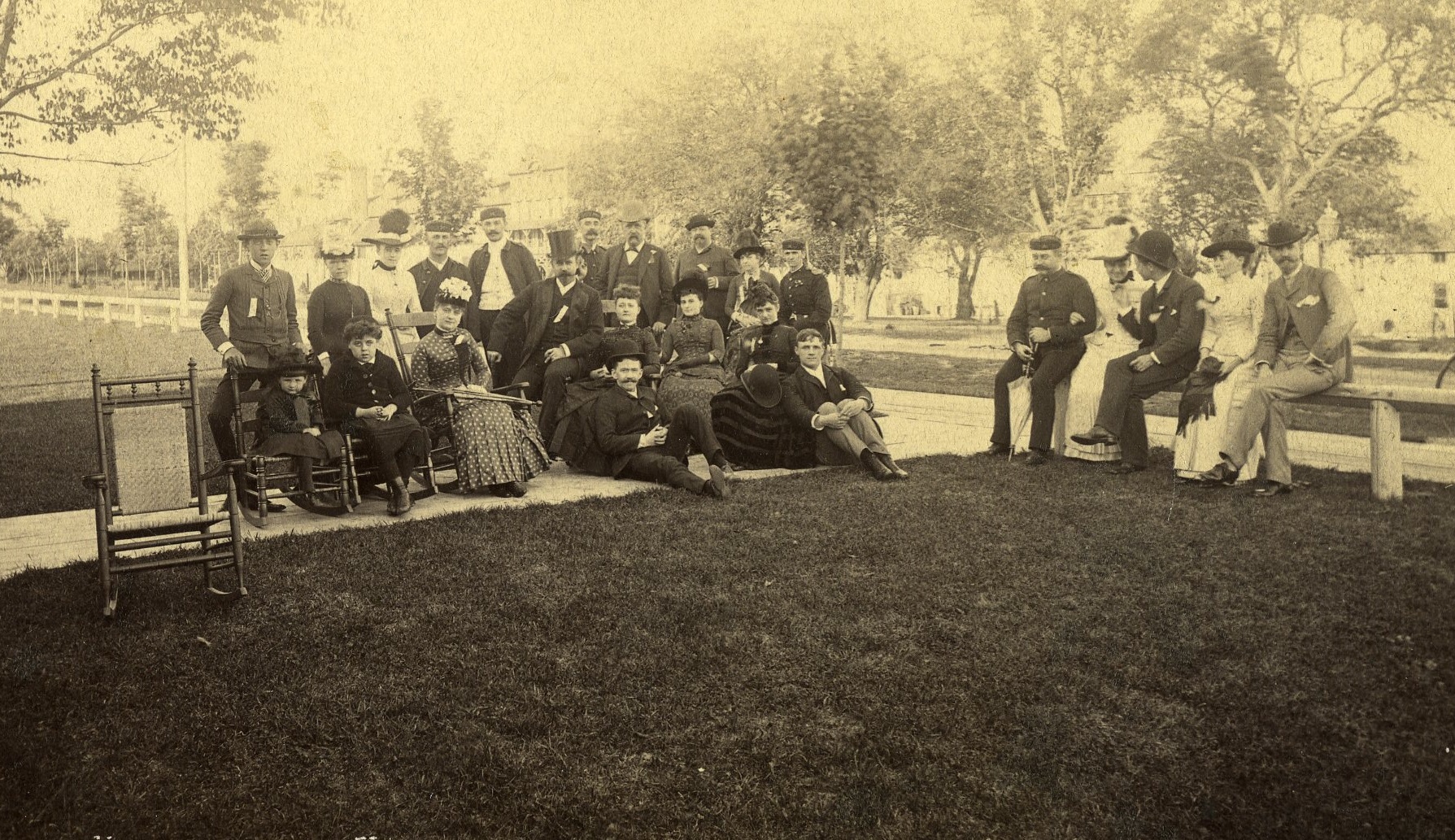
12019-12-02T05:46:59-08:00Parishioners of Trinity Episcopal Church, Fort Wayne, 1839-19605plain2019-12-27T18:58:29-08:00The membership forms the bedrock of every church. Those who attend services are the church. From its beginning, Trinity Church attracted membership from various groups: immigrants of English, Canadian, or Irish birth who had been Anglicans in their former homes; Episcopalians who had come to Fort Wayne from the East; and newcomers to the faith, who were attracted to Trinity by the liturgy from the Book of Common Prayer and the fact that the atmosphere was not overly doctrinal or restrictive. By the mid-nineteenth century, Trinity joined First Presbyterian Church as being the two so-called "society" churches that drew many of its members from the upper and upper-middle social classes. The Presbyterian Church was the primary choice of local Republicans in the Civil War period because of its strong stand against slavery, which Trinity attracted many prominent Democrats, who were eager to unify the country without going to war and took inspiration from the Jacksonian Age and rights of the common man.
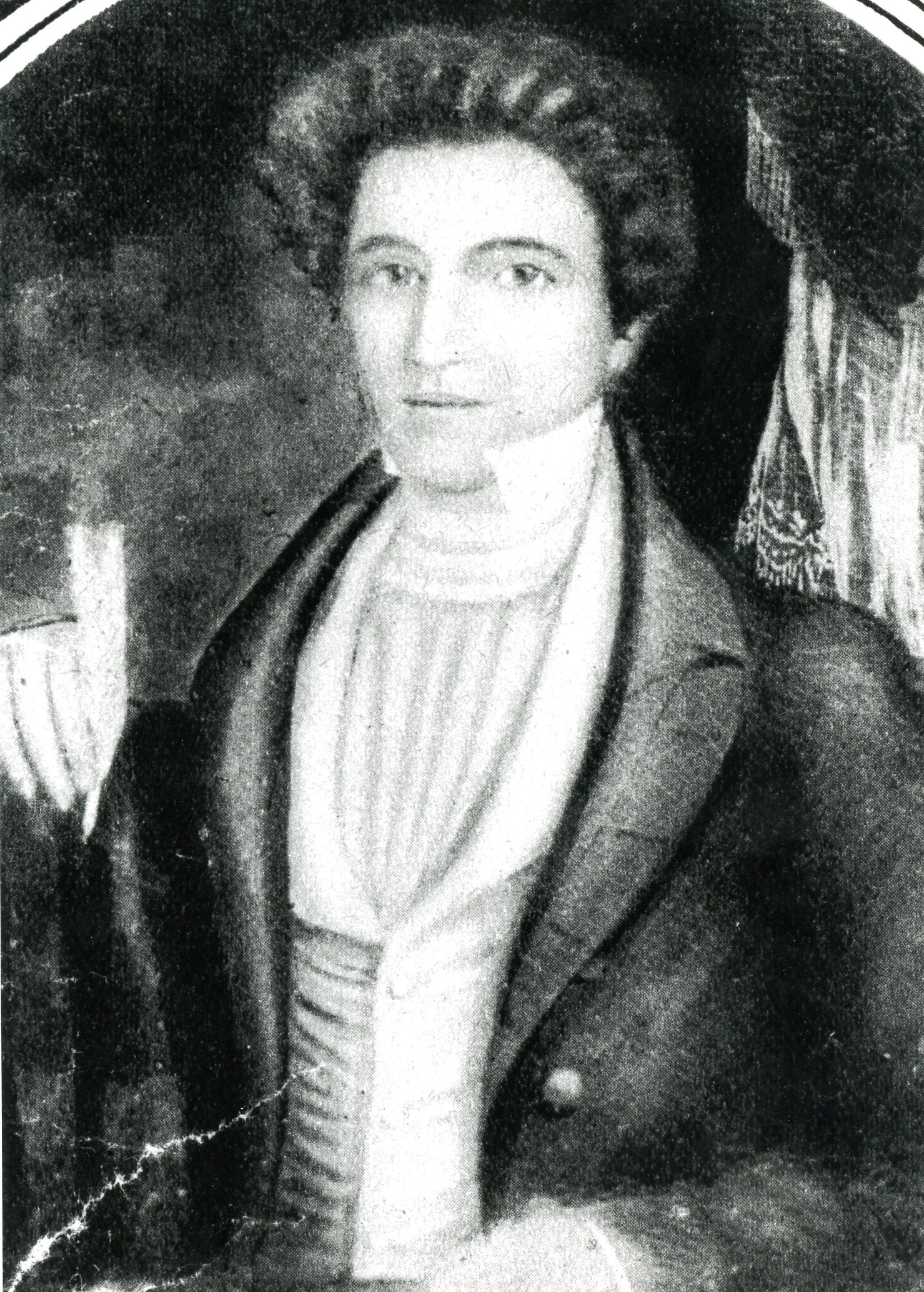
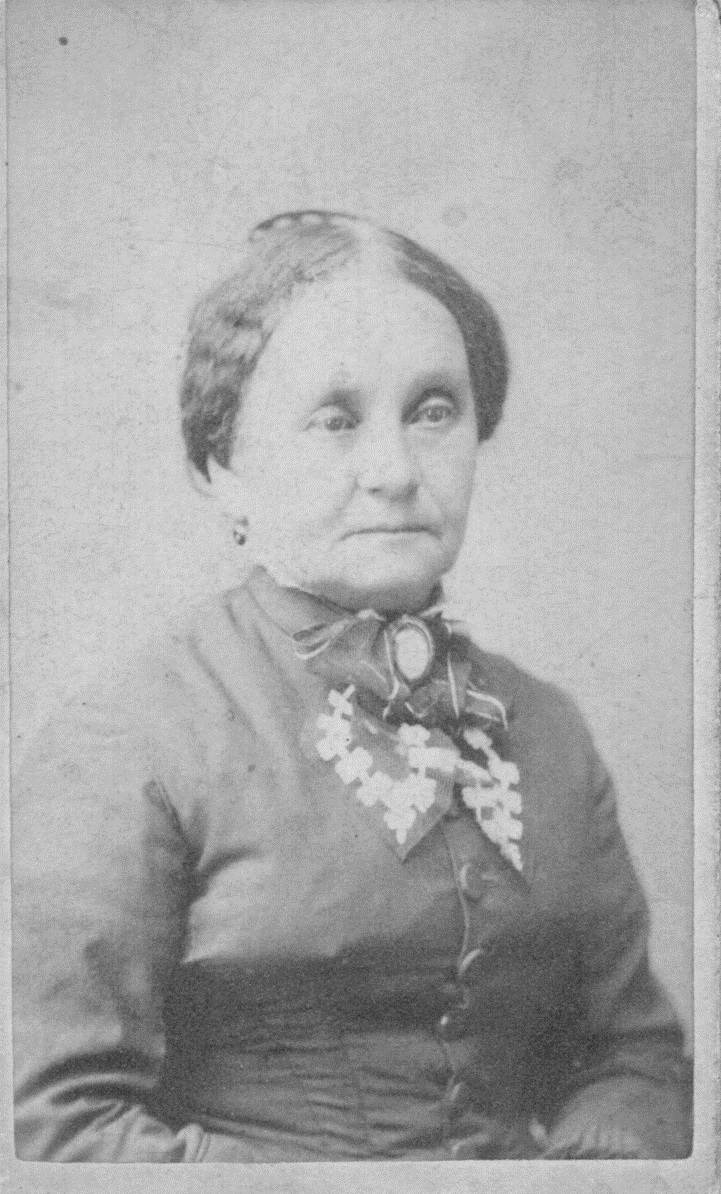
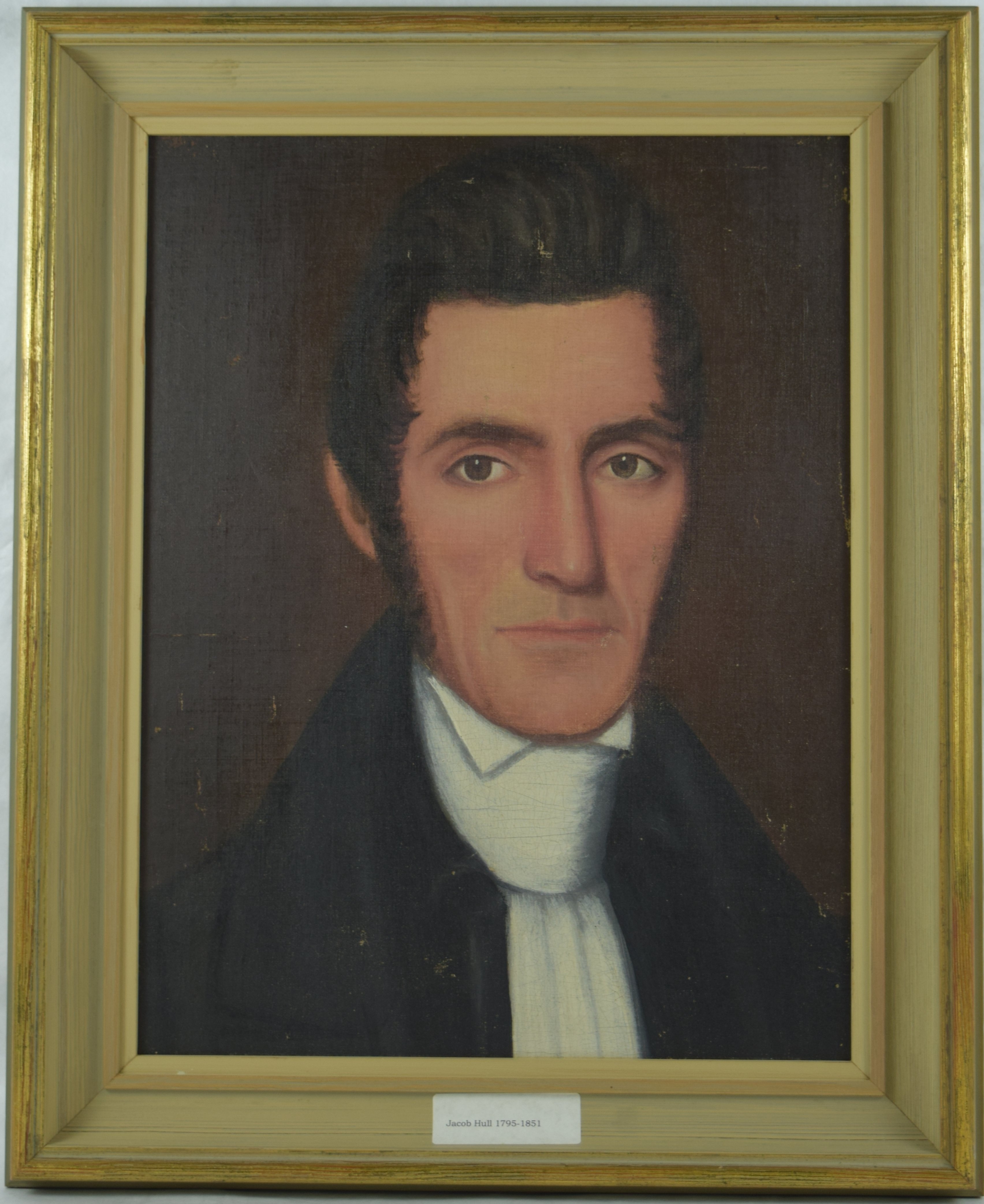
 Hull (002).jpg)
 Abigail Woodworth Ewing, Mother of Lavina Ewing Bond.jpg)
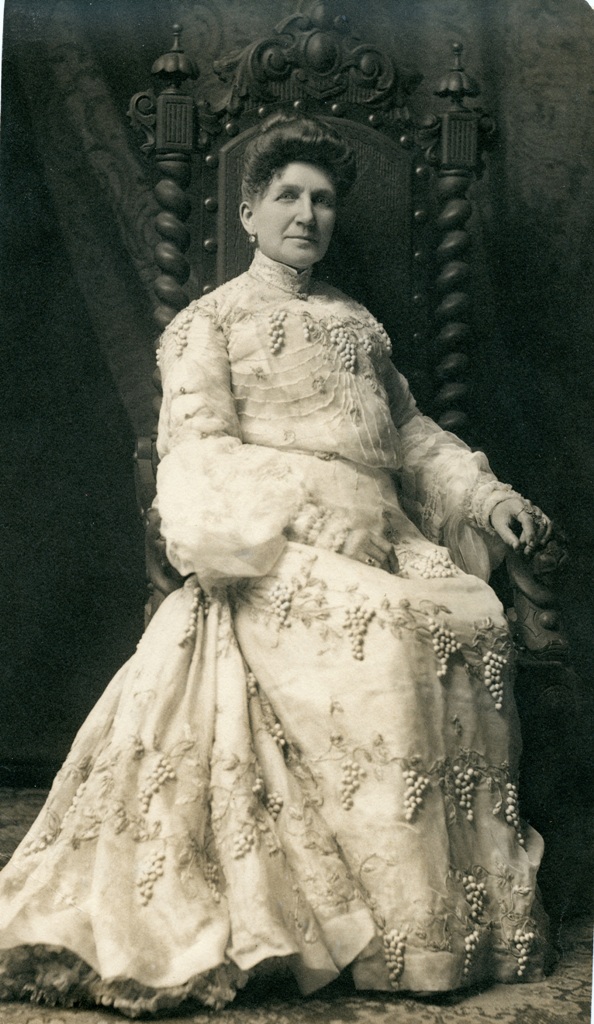
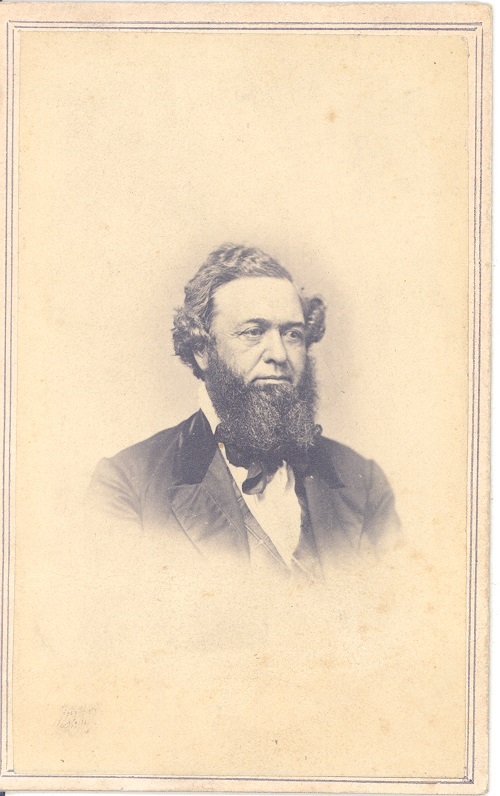
 Charles D Bond with beard.jpg)
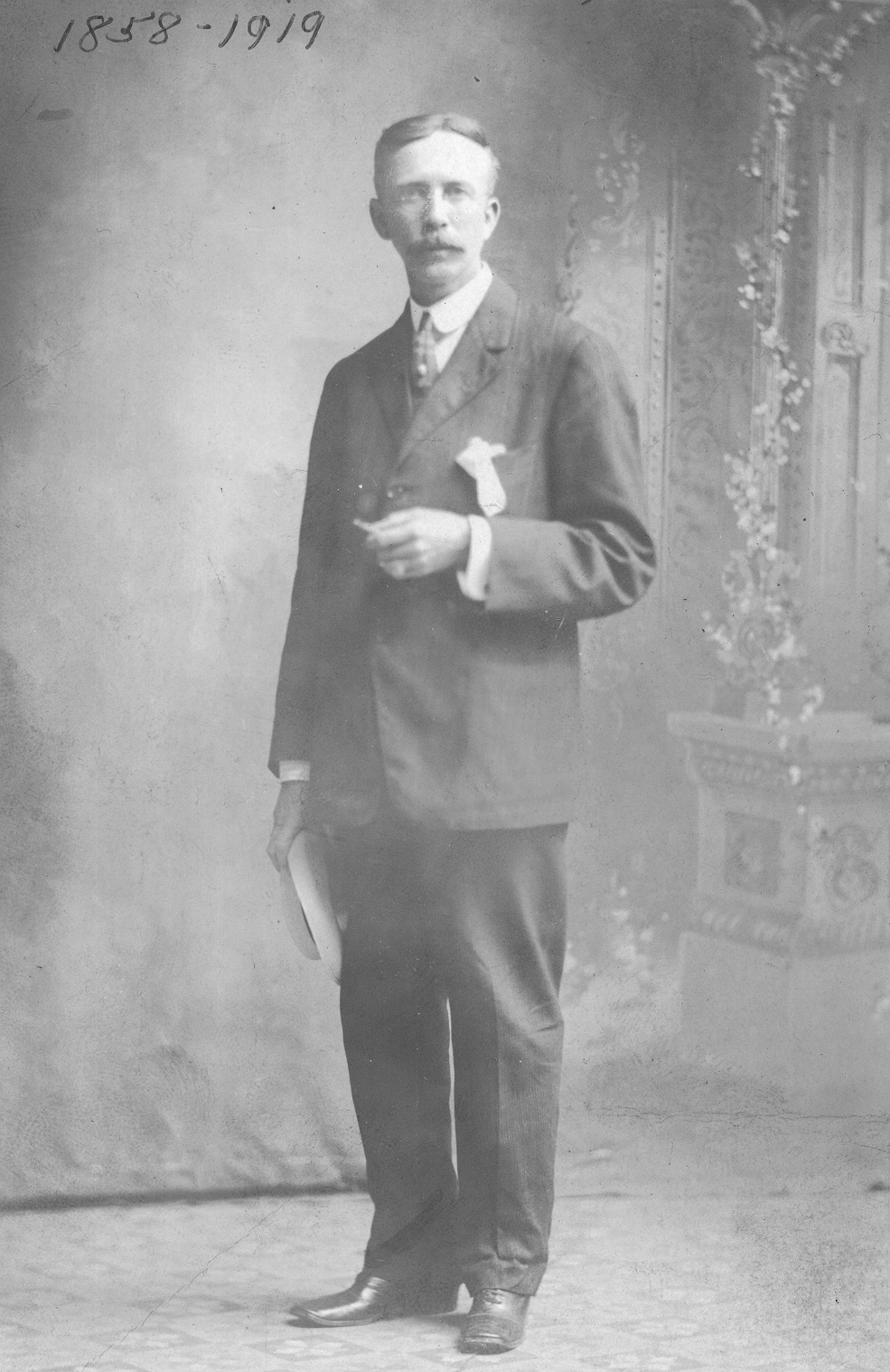
 Randall265.jpg)
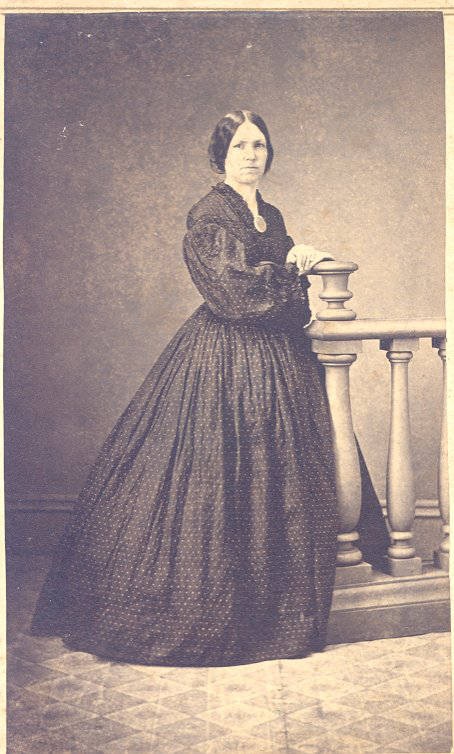
 Lavina A (Ewing) Bond, 50 years old.jpg)
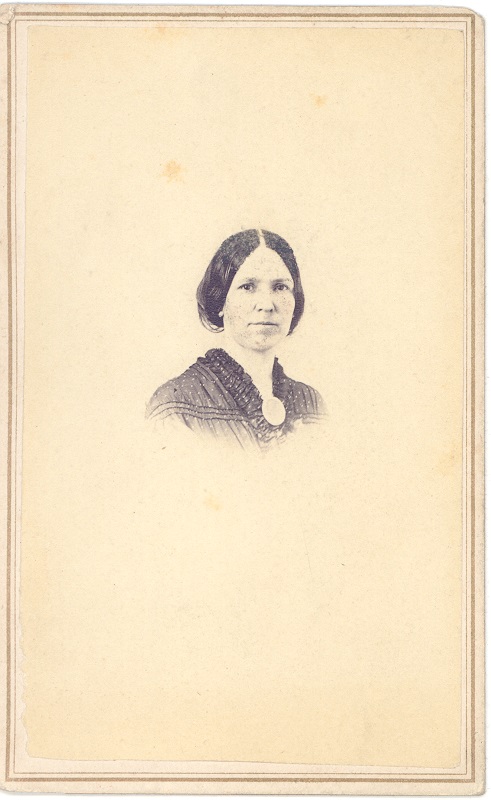
 Lavinia Bond.jpg)
 Lavina A Bond, February 23, 1901.jpg)
 and Alwin Alvord.jpg)
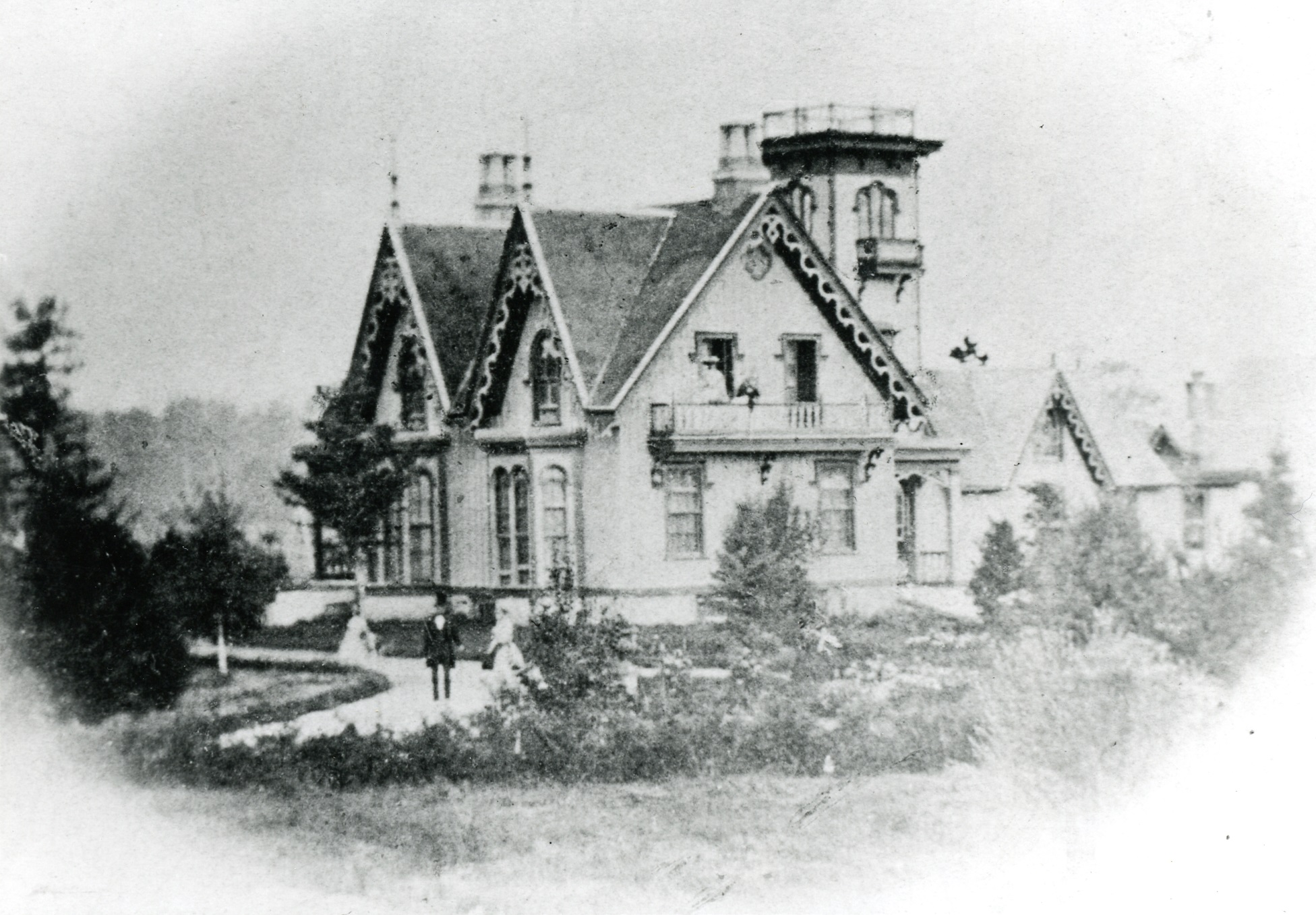

 Georgiana Bond, 10 years old.jpg)
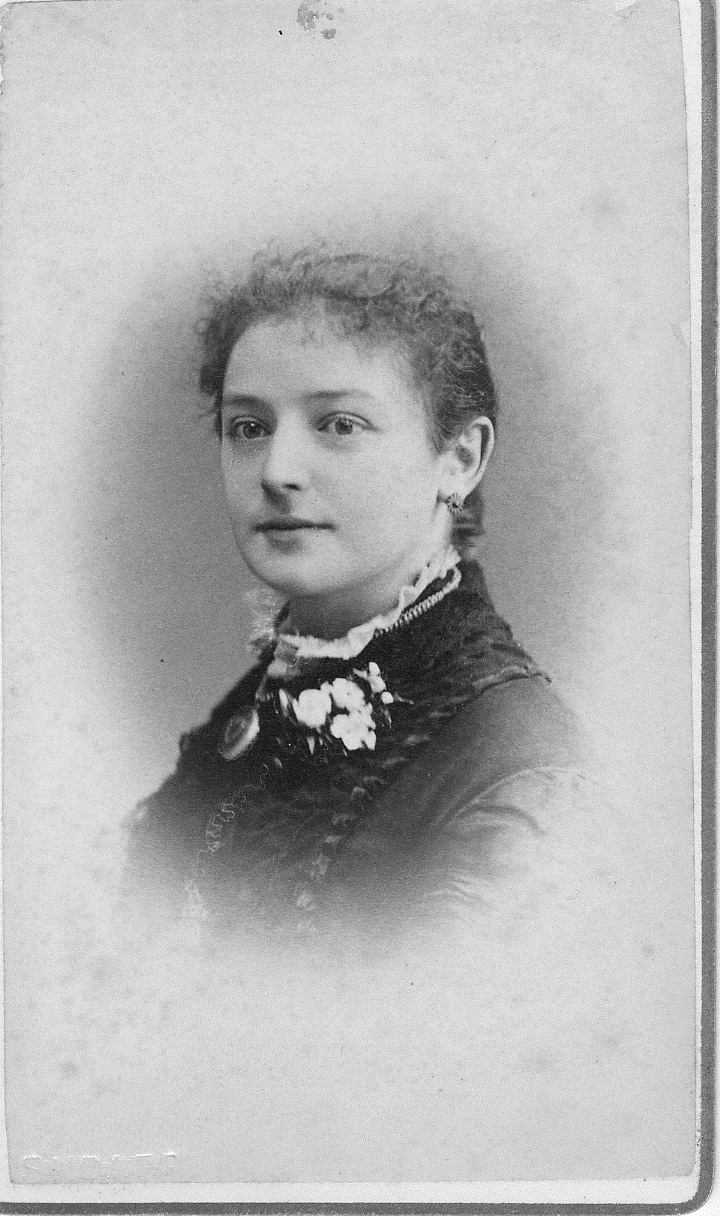
 Grace Gorham Bond.jpg)