Thanks for your patience during our recent outage at scalar.usc.edu. While Scalar content is loading normally now, saving is still slow, and Scalar's 'additional metadata' features have been disabled, which may interfere with features like timelines and maps that depend on metadata. This also means that saving a page or media item will remove its additional metadata. If this occurs, you can use the 'All versions' link at the bottom of the page to restore the earlier version. We are continuing to troubleshoot, and will provide further updates as needed. Note that this only affects Scalar projects at scalar.usc.edu, and not those hosted elsewhere.
The Shadow of World War II in Modern Japan: Professor's ManualMain MenuHow to Use this ModuleAbstractAn introduction to this moduleModule MaterialsTerminologyScheduleIntroduction to JapanJapan and World War IICommunityDragon Head 『ドラゴンヘッド』Discussion: Dragon Head"Victim's History"Grave of the Fireflies 『火垂るの墓』Discussion: Grave of the FirefliesHiroshimaBarefoot Gen 『はだしのゲン』Discussion: Barefoot GenGodzilla 『ゴジラ』Discussion: GodzillaGodzilla, Mothra, and King Ghidorah: Giant Monsters All-Out Attack!『ゴジラ・モスラ・キングギドラ 大怪獣総攻撃』Discussion: All-Out Attack!Godzilla Resurgence 『シン・ゴジラ』Discussion: Godzilla ResurgenceModule Wrap UpBradley J. Wilsond07e2adfeaea18284aa4bc3bb77cb735351313e9
Abstract
12017-07-27T11:16:10-07:00Bradley J. Wilsond07e2adfeaea18284aa4bc3bb77cb735351313e9207782An introduction to this moduleplain2017-09-26T09:48:58-07:00Bradley J. Wilsond07e2adfeaea18284aa4bc3bb77cb735351313e9
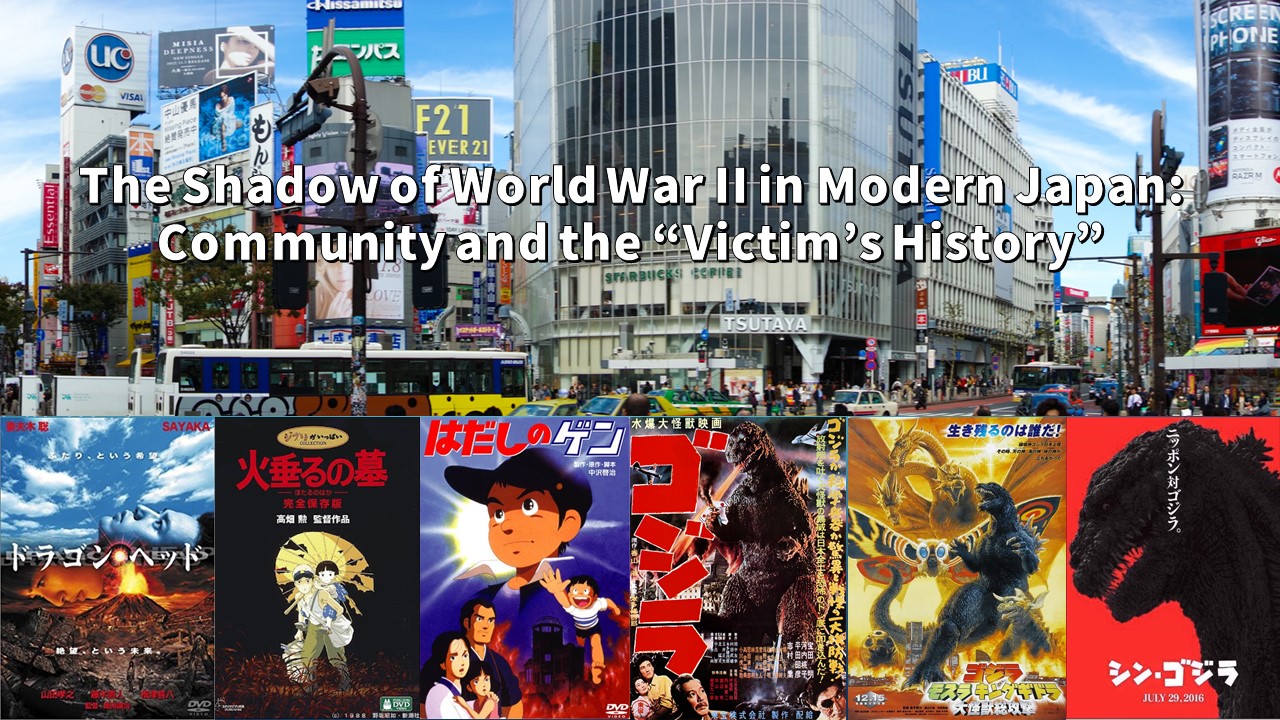
The Shadow of World War II in Modern Japan: Community and the “Victim’s History”
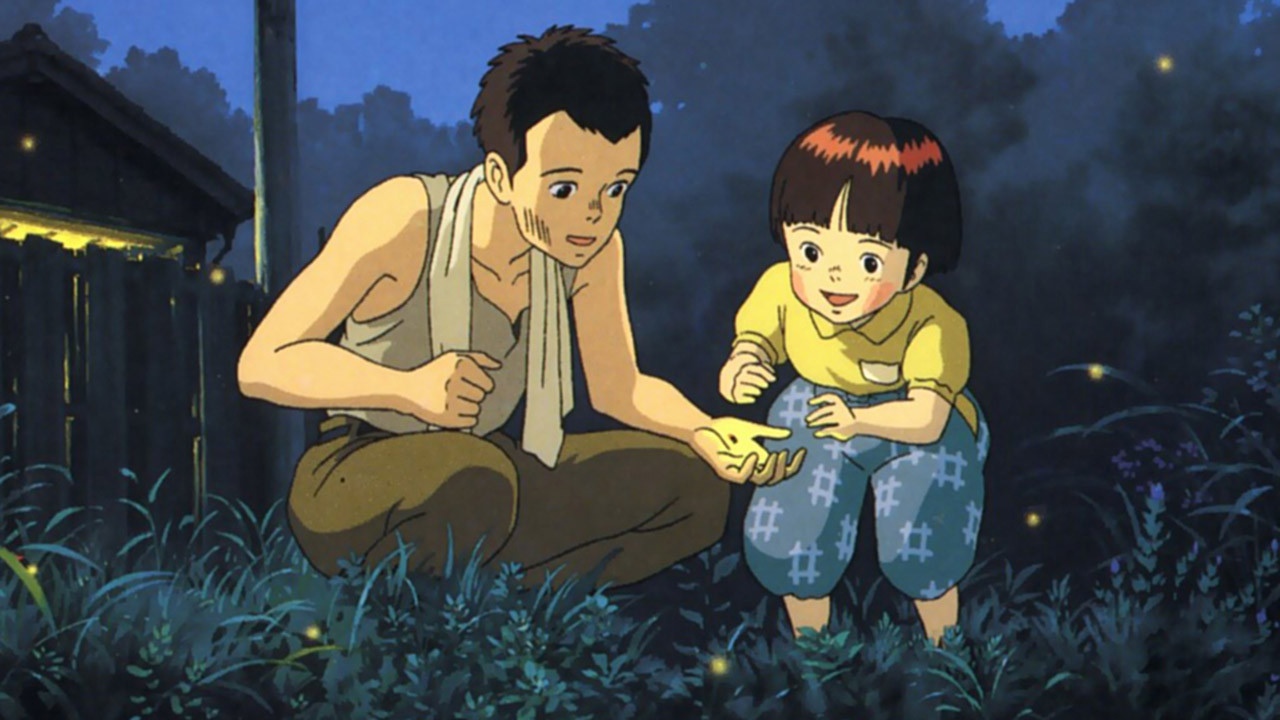
This 10-class module will utilize several modern animated and live action films to demonstrate the continued effects of the loss in World War II on the Japanese society and their motivation to rebuild following disaster. By viewing the films Dragon Head (2003), Godzilla (1954), Godzilla, Mothra, and King Ghidorah: Giant Monsters All-Out Attack (2001), Grave of the Fireflies (1988), Barefoot Gen (1983), Godzilla Resurgence (2016), reading scholarly articles, viewing videos from online archives, and discussion, students will be exposed to the emergence of the “victim’s history” and the concept of the “community above all” in Japanese popular culture. In her article “No More Words: Barefoot Gen, Grave of the Fireflies, and “Victim’s History” from the book Anime from Akira to Princess Mononoke, Susan Napier presents the theory that “the Japanese people were seen as helpless victims of a corrupt and evil conspiracy between their government and military. This ‘victim’s history’ is partly due to the collaborative American-Japanese efforts under the Occupation to create an image of a postwar democratic Japan that would free the Japanese from an inescapable fascist and militarist past.”[1] While completing this module, students will come to understand the genesis of this version of history and how it reshaped Japan from its violent past. Furthermore, the view of “community above all,” also pervades the modern popular culture of Japan. As a paradigm of utmost importance to the Japanese people, and the means by which Japan has strongly rebounded post-World War II, students will become familiar through this module with the expression of community in popular culture and will then be able to identify its presence in other Japanese media and realia. In doing so, the ultimate driving force of the Japanese people will be explored.