holetonInstagram_story4
1 2019-02-28T18:13:29-08:00 Kathleen Zoller d12f5a19398157747ffcda98170a372b72a1ea00 32032 2 This Instagram post is a photo of the various versions of "Figurski at Findhorn on Acid". plain 2019-02-28T18:17:52-08:00 Kathleen Zoller d12f5a19398157747ffcda98170a372b72a1ea00This page is referenced by:
-
1
2018-11-01T17:58:01-07:00
Social Media Content for Richard Holeton's "Figurski at Findhorn on Acid"
15
Screen captures of social media posts relating to the Traversal of for Richard Holeton's "Figurski at Findhorn on Acid"
plain
556971
2019-12-30T11:19:19-08:00
As with the previous Live Stream Traversals, the Undergraduate Researchers took photographs, mixing in prepared research on the work and its criticism with observations, comments, and interactions with other participants. Using this content, they posted on Facebook, Twitter, and Instagram. While Holeton performed the Traversal, Grigar moderated the live YouTube chat and later the question and answer session documented in the videos on this page.
Facebook
We used three locations on Facebook to post for this event: 1) the site Grigar set up in 2013 for the Pathfinders project, 2) the Electronic Literature Organization's page with over 1600 members, and 3) Grigar's personal site. ELL Team members with a Facebook page also posted to their personal sites.
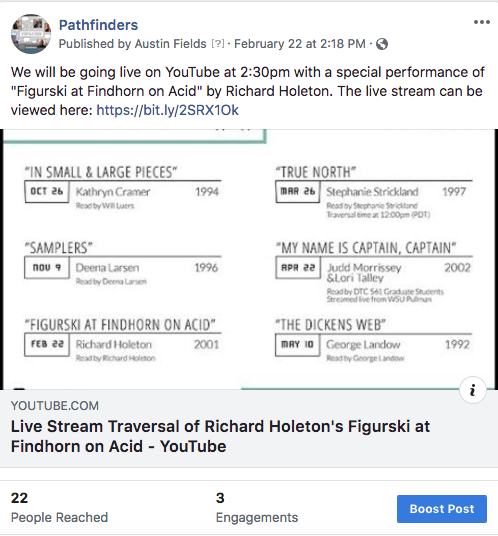
Pathfinders announces the live Traversal of Richard Holeton's work Figurski at Findhorn on Acid, and includes the Traversal schedule for 2019.
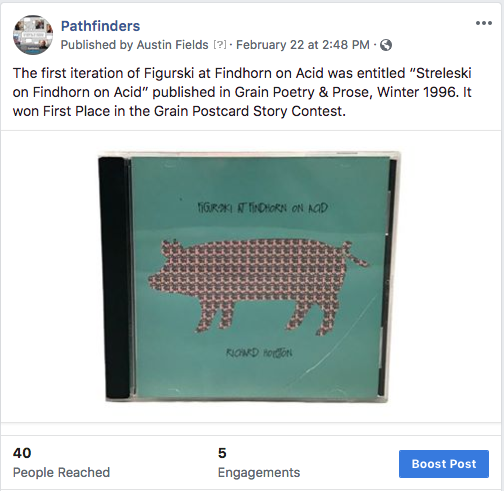
Pathfinders reveals that the first iteration of Figurski at Findhorn on Acid was called "Streleski at Findhorn on Acid," published in Grain Poetry and Prose, Winter 1996.
Pathfinders posts on Facebook that the number 3 is a common theme throughout Holeton's work: There are 3 characters, 3 locations, and 3 artifacts.
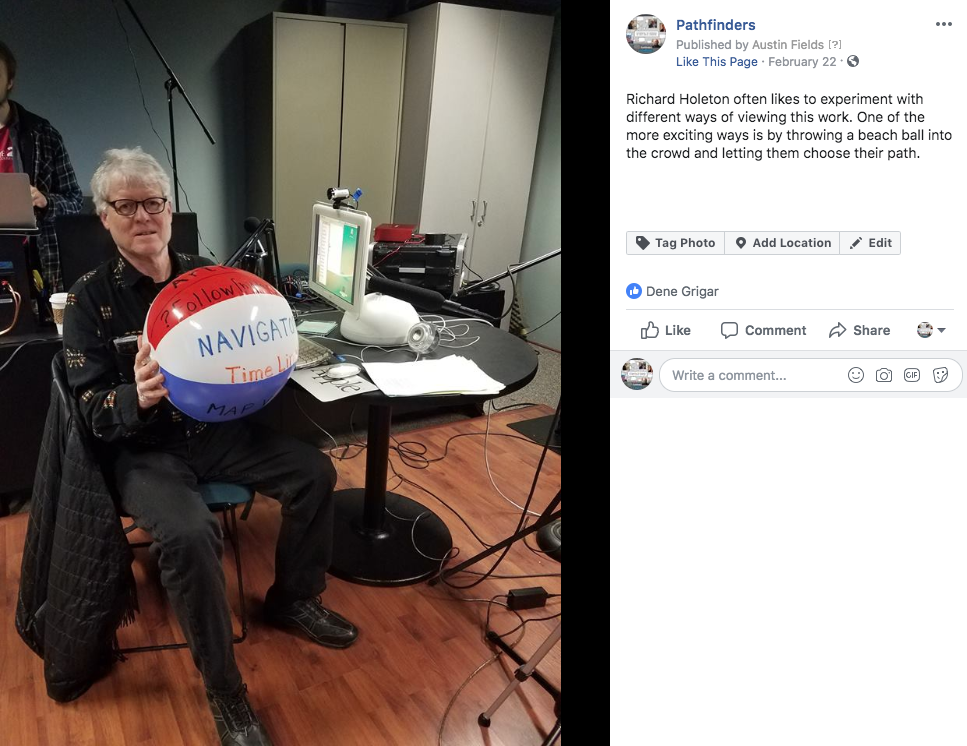
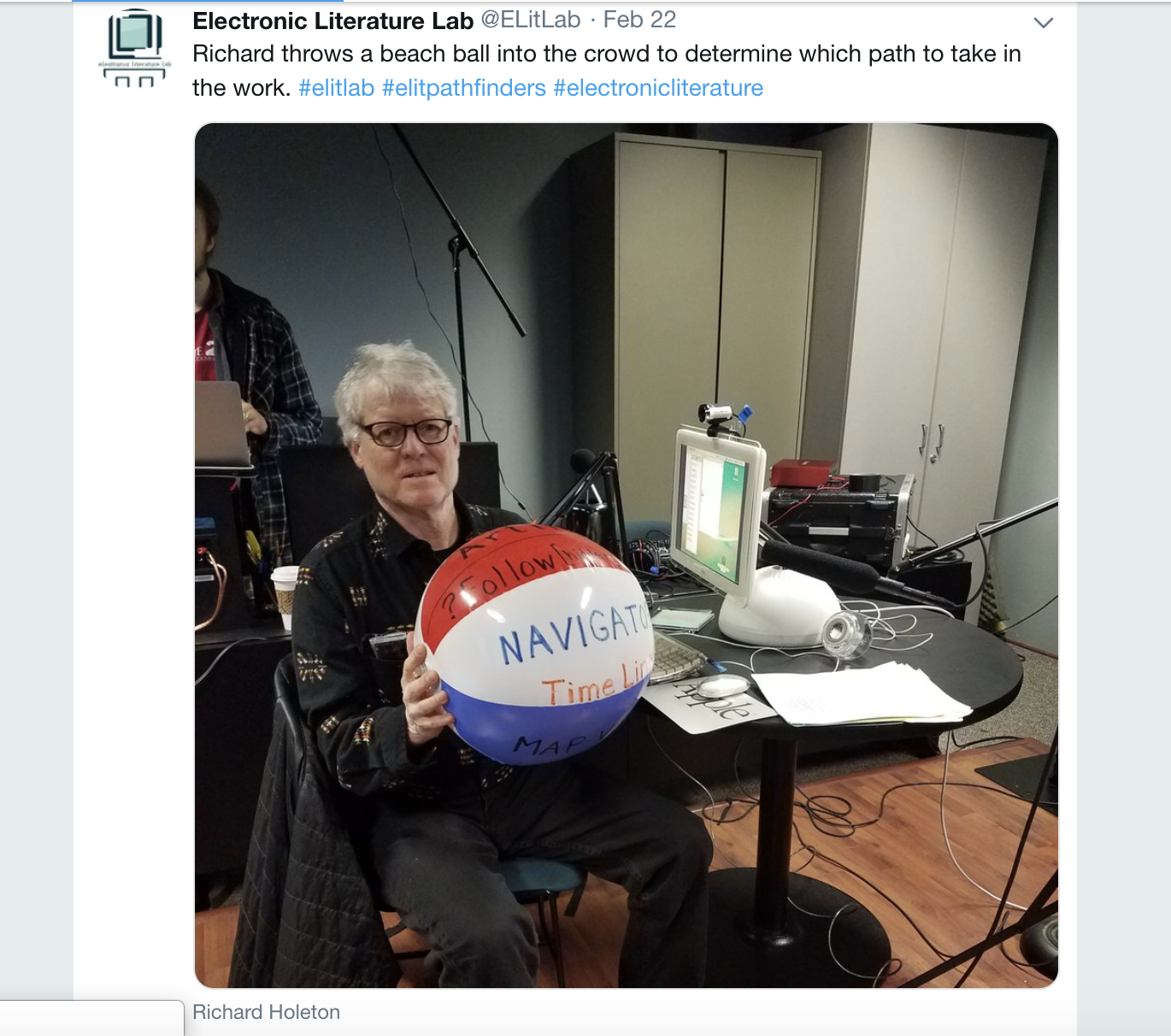
Pathfinders posts a picture on Facebook of Richard Holeton preparing to toss a beach ball covered in writing to the crowd. In this way, audience members could participate by choosing which paths to take next.
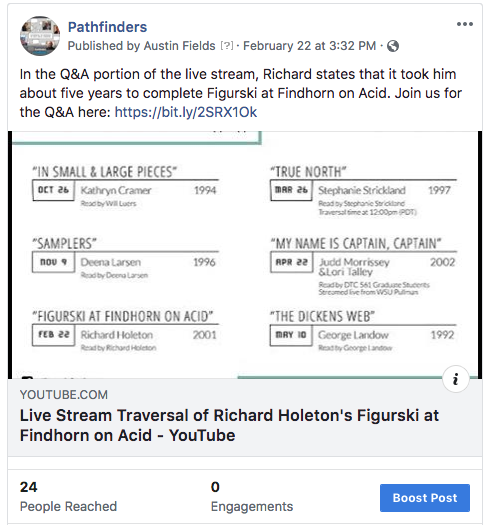
Pathfinders invites Facebook users to participate in the live Q/A sections. The post also states that Richard Holeton took about five years to complete Figurski at Findhorn on Acid.
Twitter
To post to Twitter, the ELL Team used ELL's ElitLab Twitter channel. Bowen was once again in charge of posting and reposting on Twitter during the event. The hashtag we used was #Elitlab.
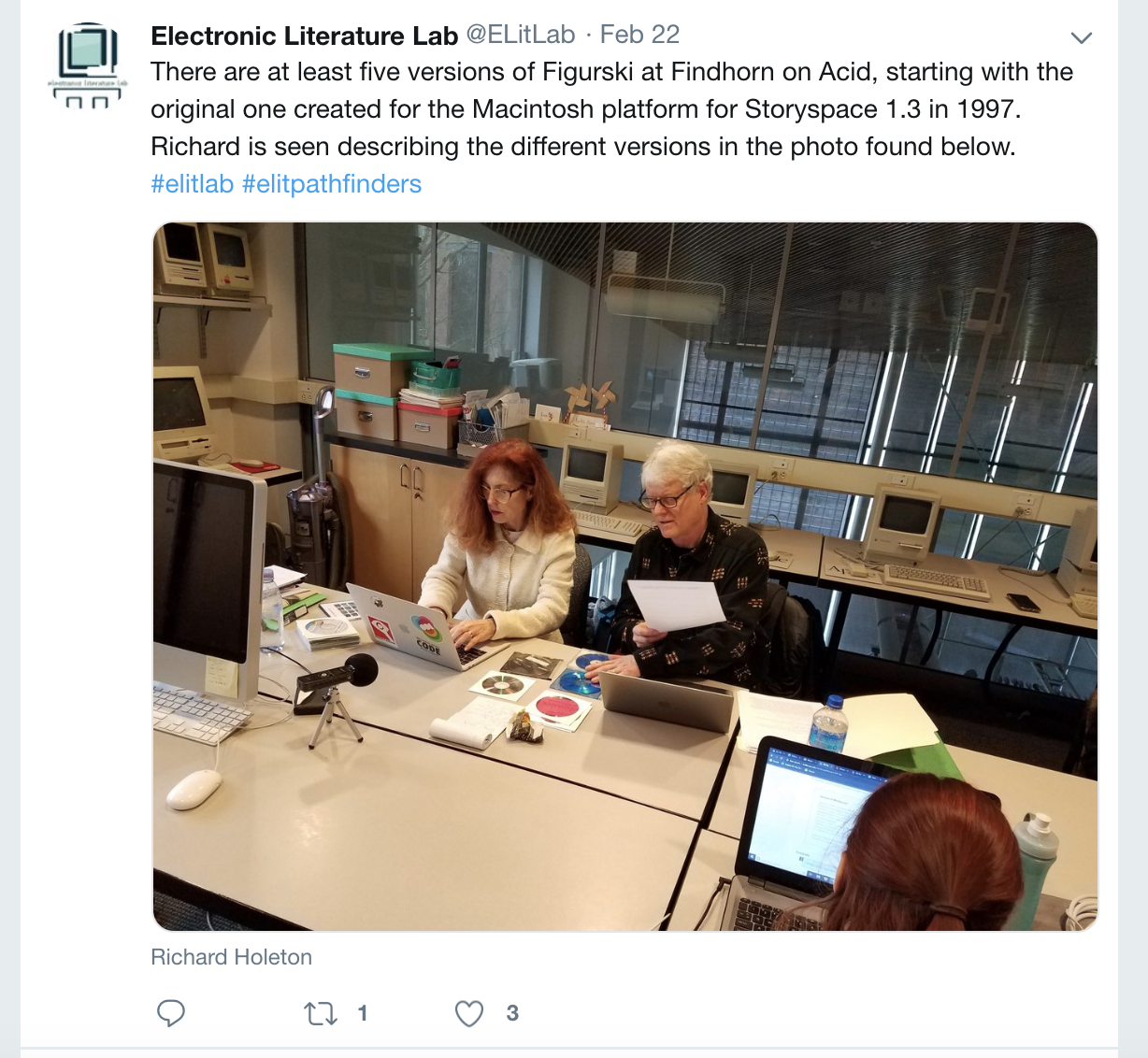
The Electronic Literature Lab tweeted that there are at least five versions of Figurski at Findhorn on Acid, with the original one created in 1997 with Storyspace 1.3 for the macintosh.
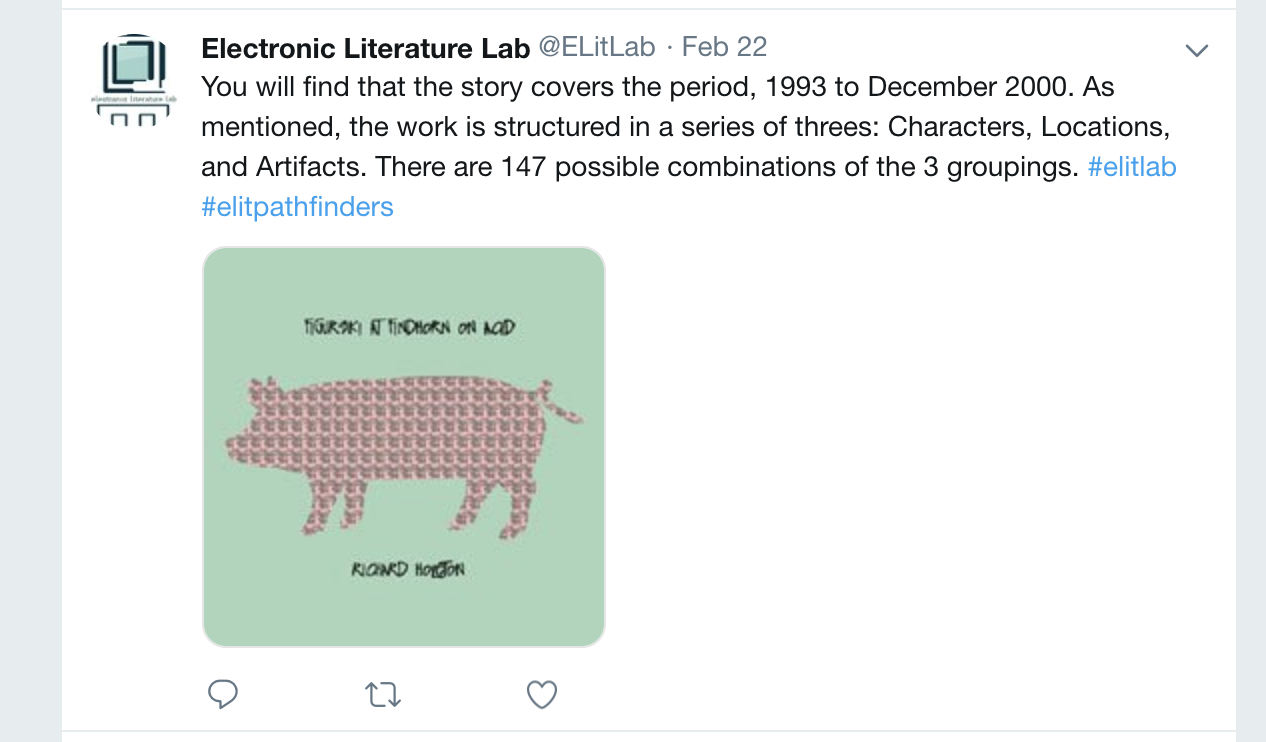
This tweet shares that the story covers the period 1993 to December 2000, and that the work is structured in threes- 147 combinations within 3 groupings.
The Electronic Literature Lab tweeted that Richard Holeton tosses a beach ball to the crowd to determine which path to take through the work.
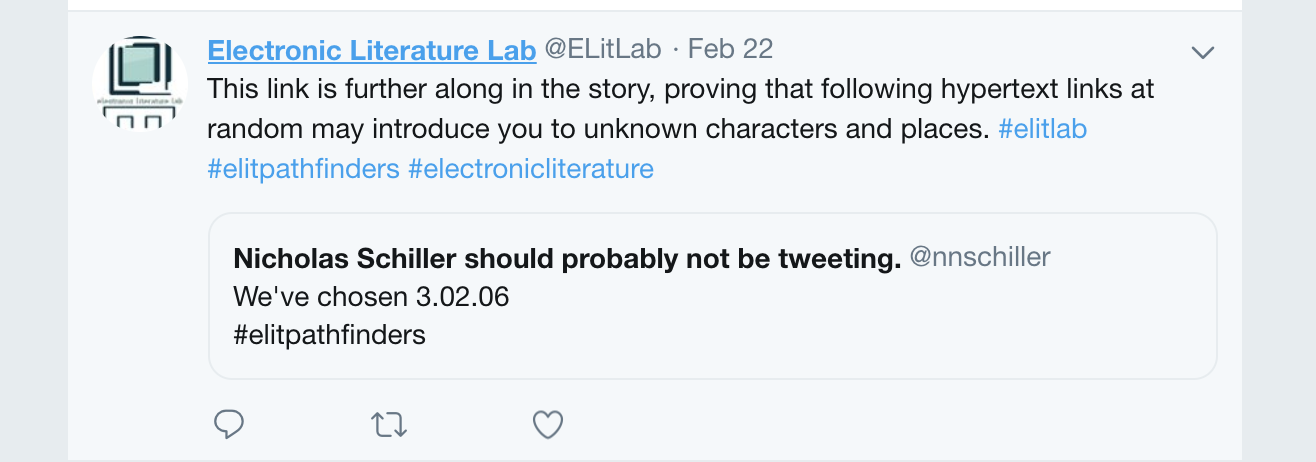
The Electronic Literature Lab tweeted that choosing random links in Holeton's hypertext can result in discovering unknown characters and places.
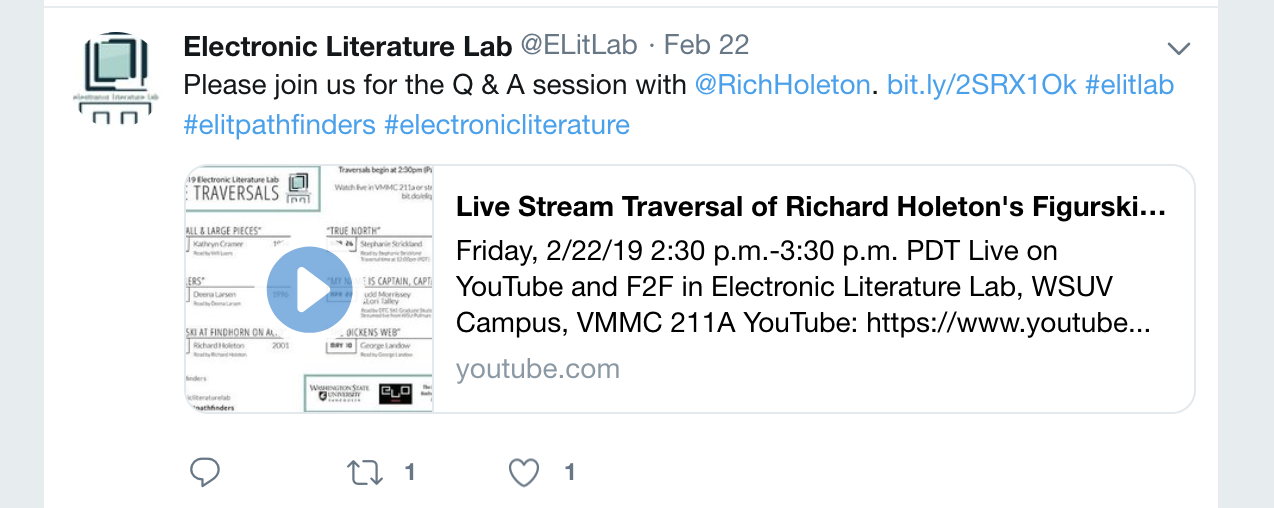
The Electronic Literature Lab tweeted an invitation for viewers to join the Q/A session of Figurski at Findhorn on Acid.
The Electronic Literature Lab tweeted that Holeton said if created his work in 2019, he would choose to make it in HTML rather than in Storyspace.
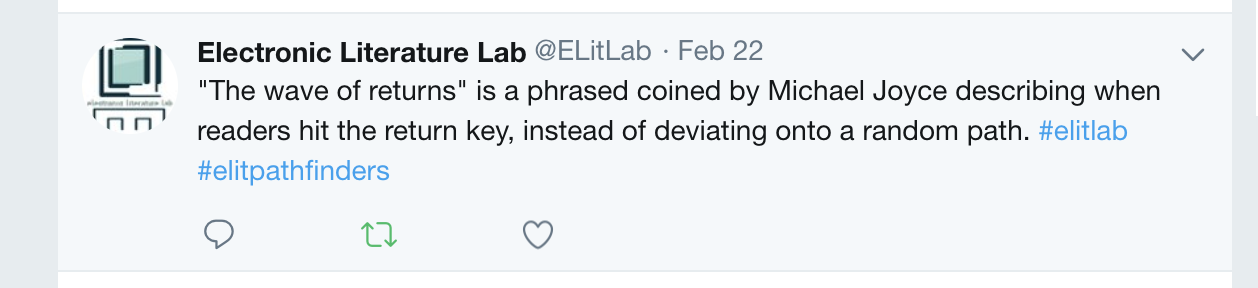
The Electronic Literature Lab tweeted Michael Joyce's phrase "the wave of returns," meaning that users hit the "return" key (rather than links) to navigate.
Instagram
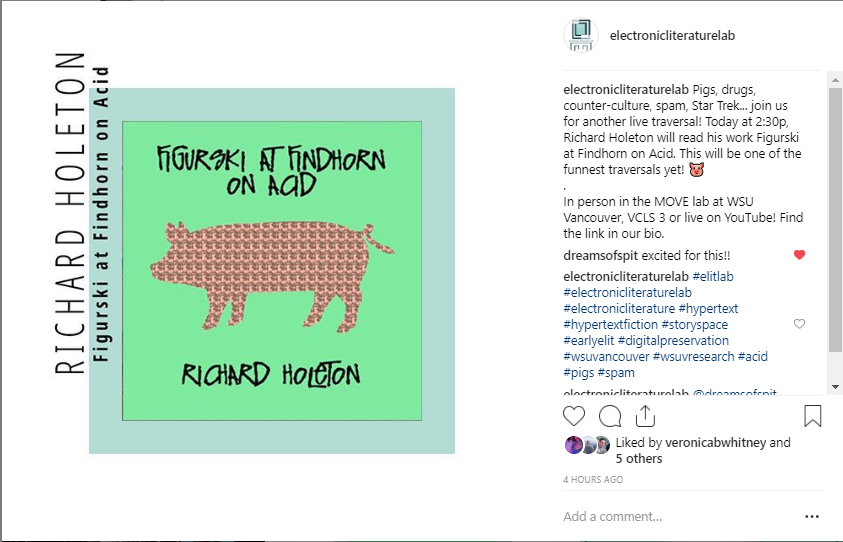
The Electronic Literature Lab announces the live Traversal of Richard Holeton's work Figurski at Findhorn on Acid on Instagram.
This Instagram story announces the Traversal going live, and provides a link to the YouTube video.
A link to Holeton's notes are provided, history, and background about the author himself.
This Instagram story explains that there are at least five versions of Holeton's work, Figurski at Findhorn on Acid.
Here, a photo of six different versions of Figurski at Findhorn on Acid are displayed in an Instagram story.
It is explained in an Instagram story that the version of Figurski being shown in the Traversal was published by Eastgate Systems in 2001.
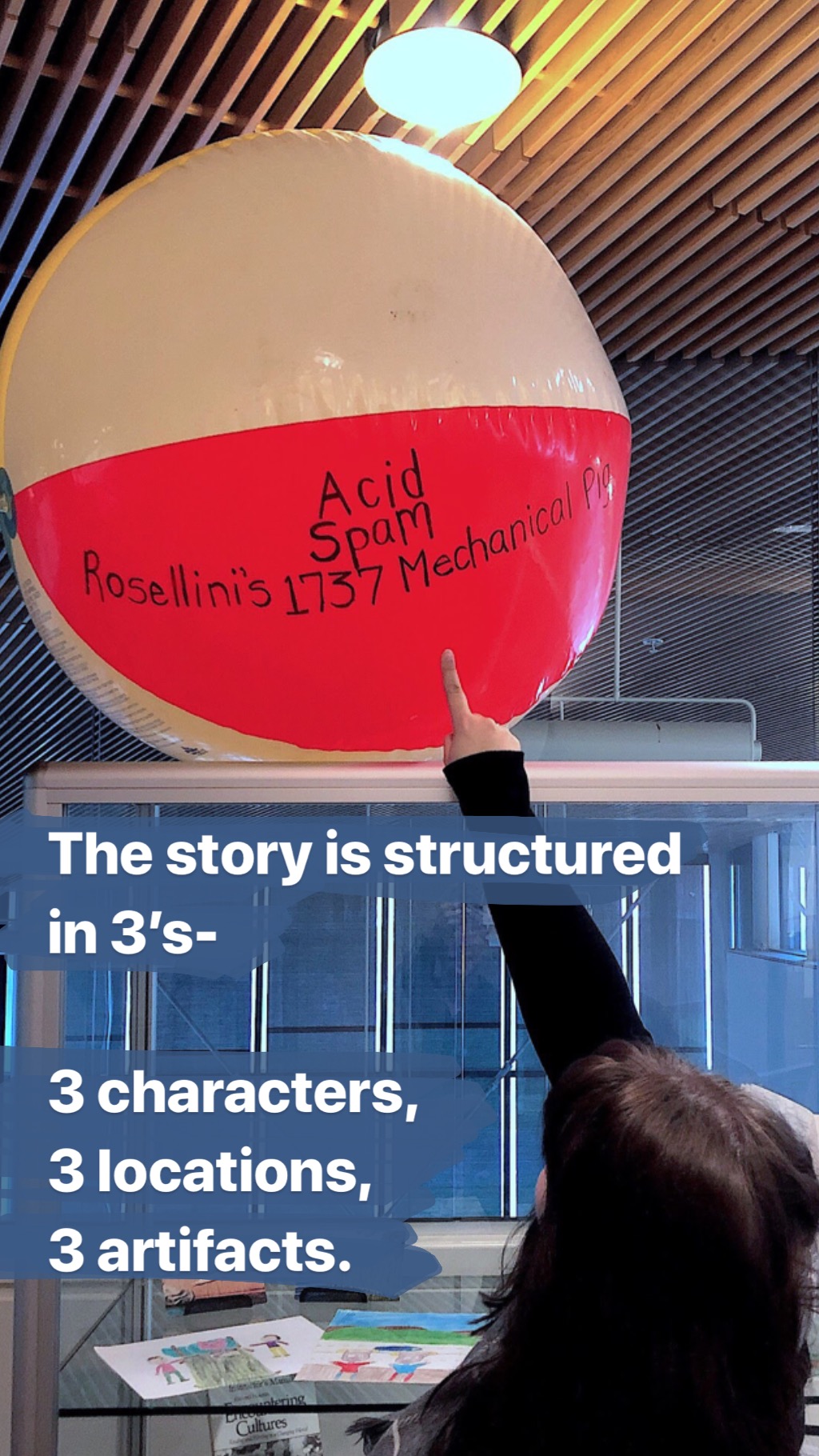
An Instagram story highlights how Holeton's story is structured in threes: three characters, locations, and artifacts.
This Instagram post explains that Holeton throws a beach ball to his audience to determine the path of the story.
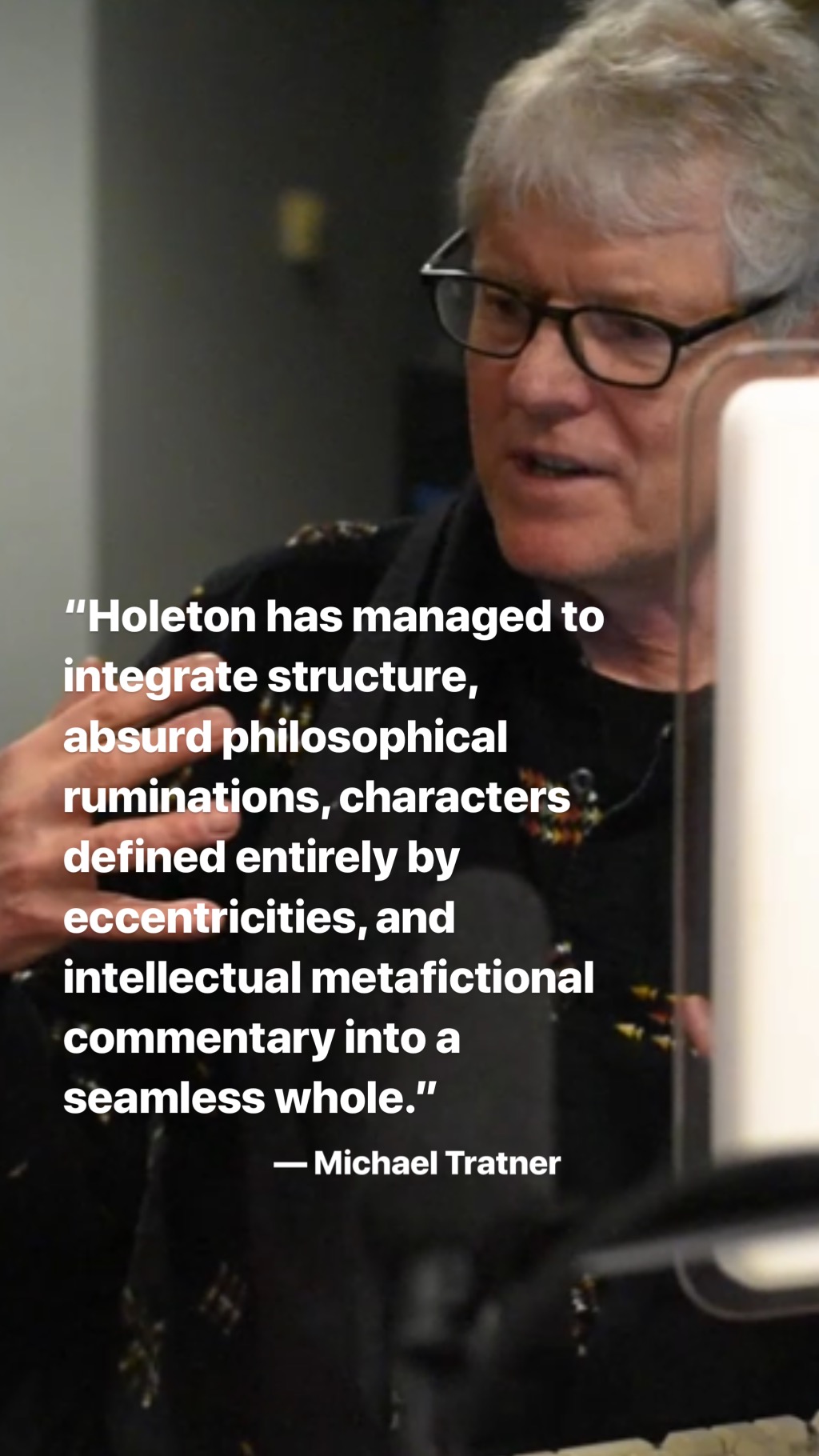
A quote by Michael Tratner regarding Figurski at Findhorn on Acid is shared in an Instagram story: "Holeton has managed to integrate structure, absurd philosophical ruminations, characters defined entirely by eccentricities, and intellectual metafictional commentary into a seamless whole."
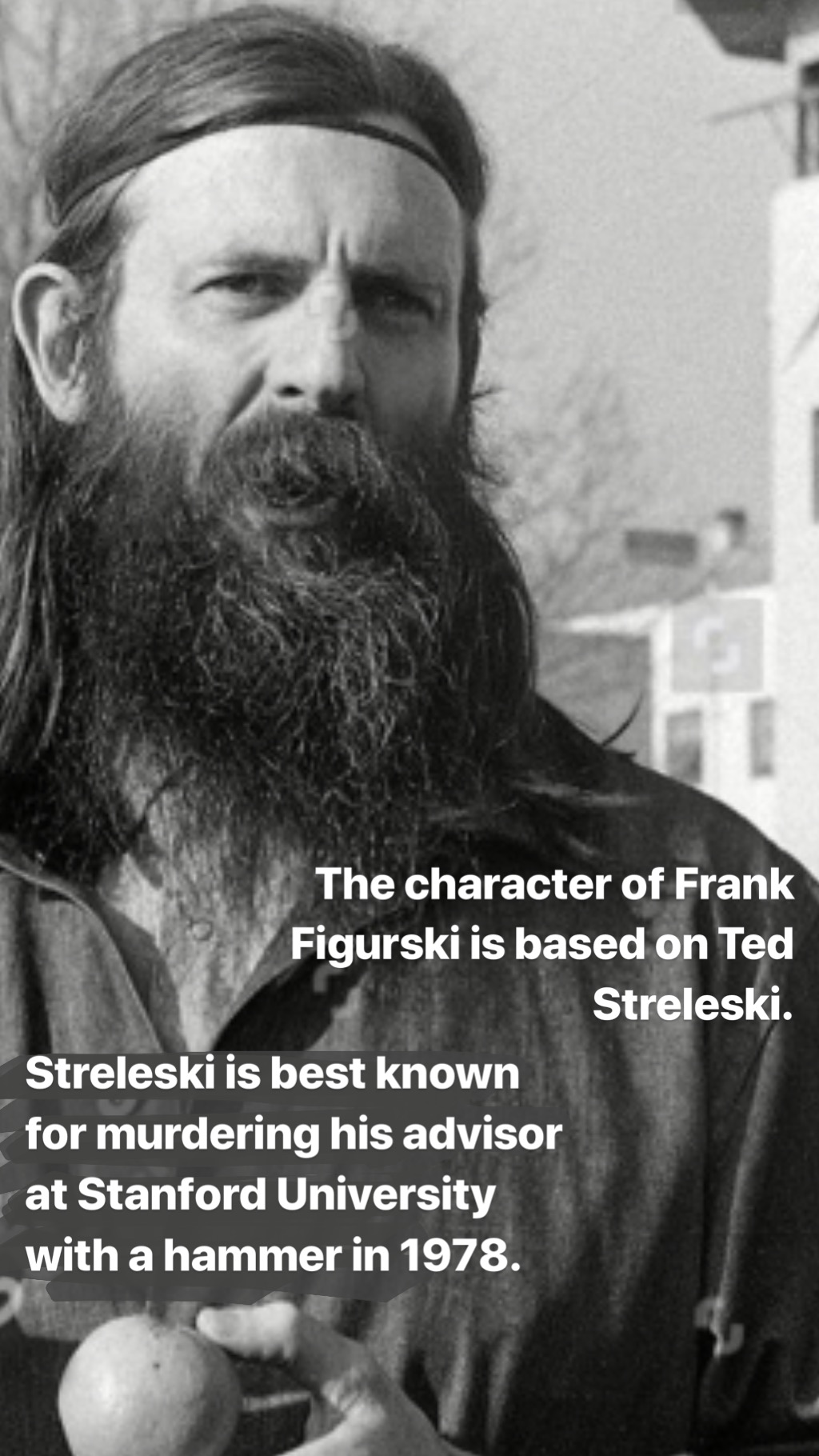
In this Instagram post, it is revealed that Streleski (who was well-known for murdering his advisor with a hammer at Stanford University) was the inspiration for Holeton's character, Frank Figurski.
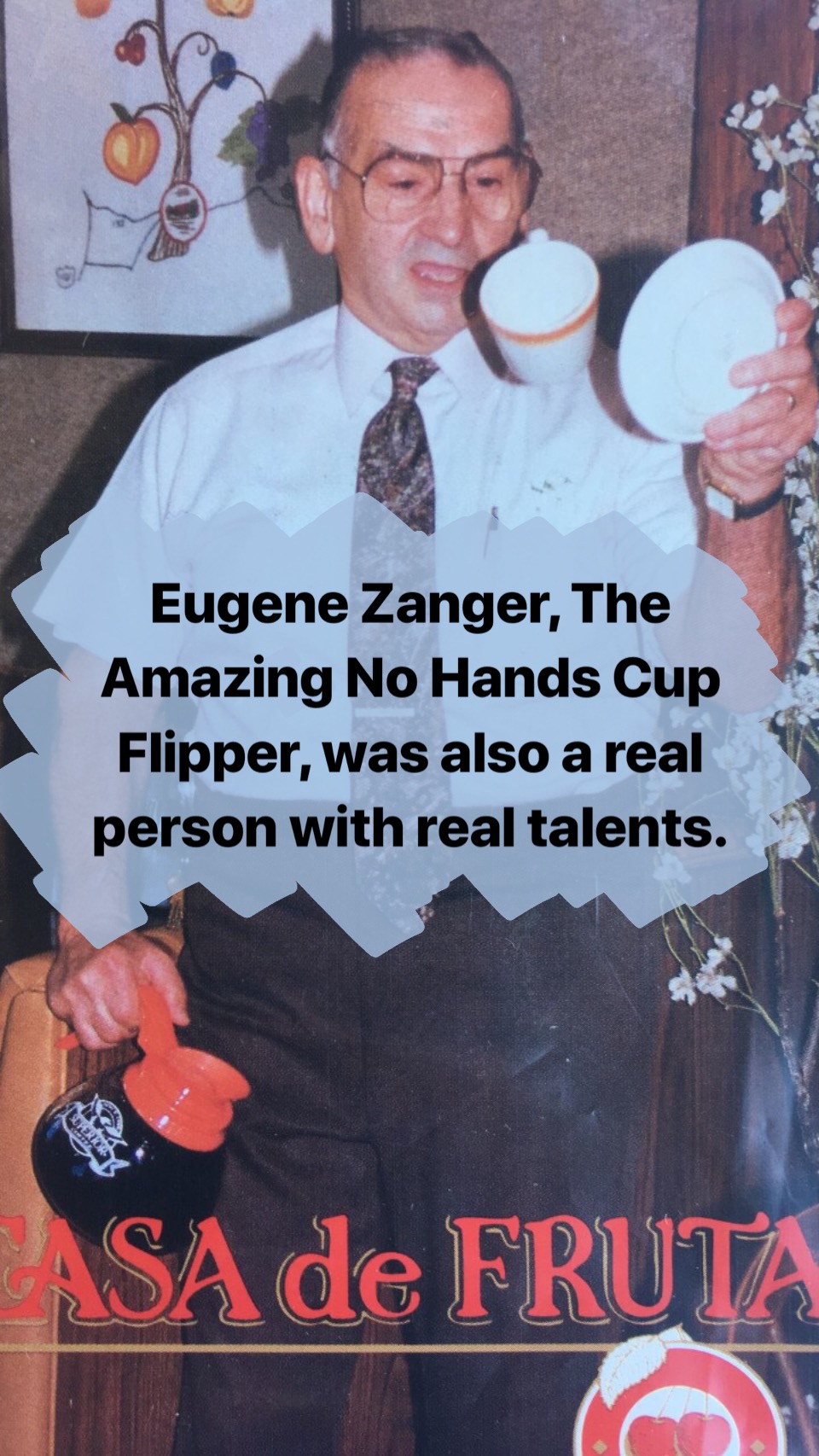
This Instagram story explains that the character Eugene Zanger (the cup flipper) was a real person with real talents.
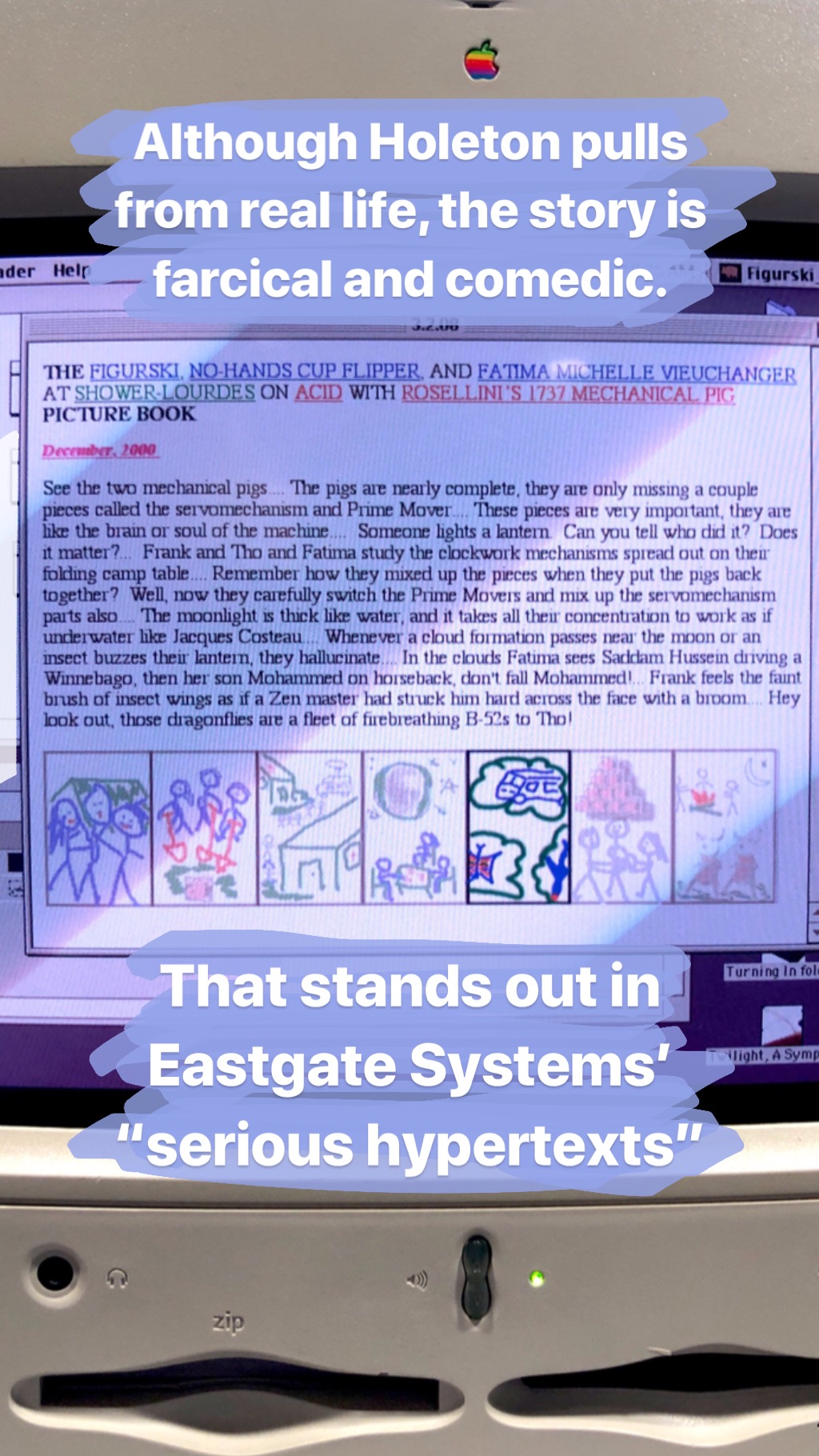
This is an Instagram story describing Holeton's work Figurski at Findhorn on Acid as a farcical and comedic narrative, which helped it stand out among Eastgate's "serious" hypertexts.
Instagram users are invited to view the live Traversal and are provided a link to the YouTube chat.
YouTube Chat
Here is the link to the Figurski Traversal chat