Thanks for your patience during our recent outage at scalar.usc.edu. While Scalar content is loading normally now, saving is still slow, and Scalar's 'additional metadata' features have been disabled, which may interfere with features like timelines and maps that depend on metadata. This also means that saving a page or media item will remove its additional metadata. If this occurs, you can use the 'All versions' link at the bottom of the page to restore the earlier version. We are continuing to troubleshoot, and will provide further updates as needed. Note that this only affects Scalar projects at scalar.usc.edu, and not those hosted elsewhere.
The Program as Advertisement: Art and Propaganda in Concert and Theater Programs, Exhibition Catalogues, and Brochures in Germany 1913-1961Main MenuArt and the ProgramDocumenting Cultural Events in Germany Before, During, and After the Nazi EraGermany Before World War I: The Munich Folk Theater and its HistoryGermany Before World War I: The Munich Folk Theater and its HistoryWorld War I and the Weimar RepublicConcerts, Opera, and Music Theater Programs in Germany Between 1933 and 1945Song and Choir Sheet Music of the New CommunitySong and Choir Sheet Music of the New Community, contentCulture League of German Jews 1933/4Culture League of German Jews 1933/4Invitations, Posters, and AdvertisementsCabaret under Nazi RegimeCabaret under Nazi RegimeThe "Great German Art Exhibition" and the "Degenerate Art" ExhibitionThe "Great German Art Exhibition" and the "Degenerate Art" ExhibitionOld Household Goods - Old Folk ArtOld Household Goods - Old Folk ArtA Glimpse from the Outside: German Publications Reviewed by the "Friends of Europe" PeriodicalA Glimpse from the Outside: German Publications Reviewed by the "Friends of Europe" PeriodicalPost-war Germany, 1945-1949Post-war Germany, 1945-1949Wagner Performances in Post-war GermanyWagner Performances in Post-war GermanyExiles Return: Brecht and Weill's Threepenny Opera in Post-war GermanyExiles Return: Brecht and Weill's Threepenny Opera in Post-war GermanyConclusionAdi Nesterebef2239f18cd6ba5c09a0dfc25b13cff6ecbf4c
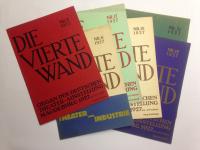
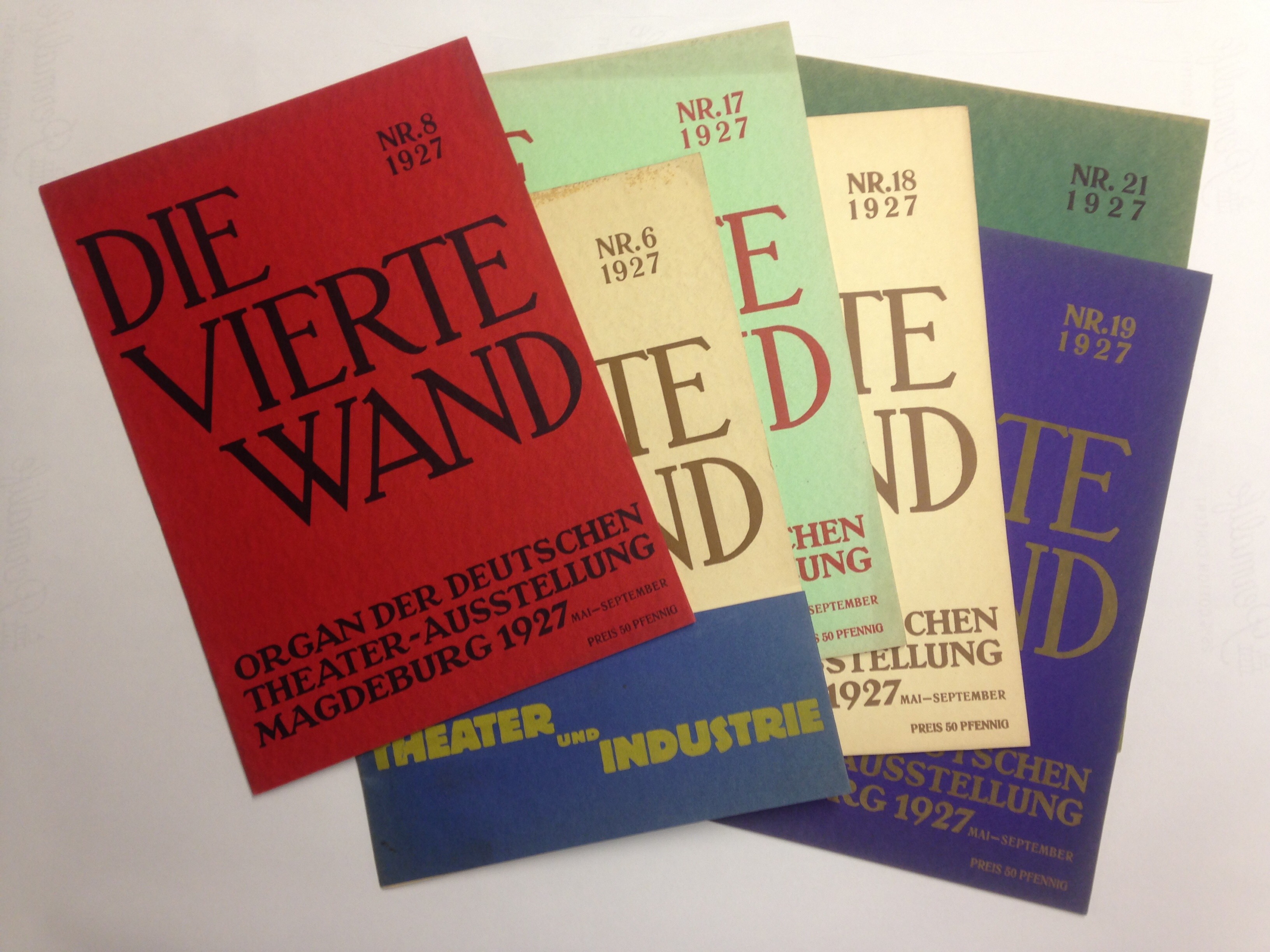
Die vierte Wand 1927
12017-08-08T13:25:23-07:00Adi Nesterebef2239f18cd6ba5c09a0dfc25b13cff6ecbf4c196415Issues of Die vierte Wand, a Weimar Republic periodical for theater and stage innovations.plain2017-09-13T17:13:59-07:00Adi Nesterebef2239f18cd6ba5c09a0dfc25b13cff6ecbf4c
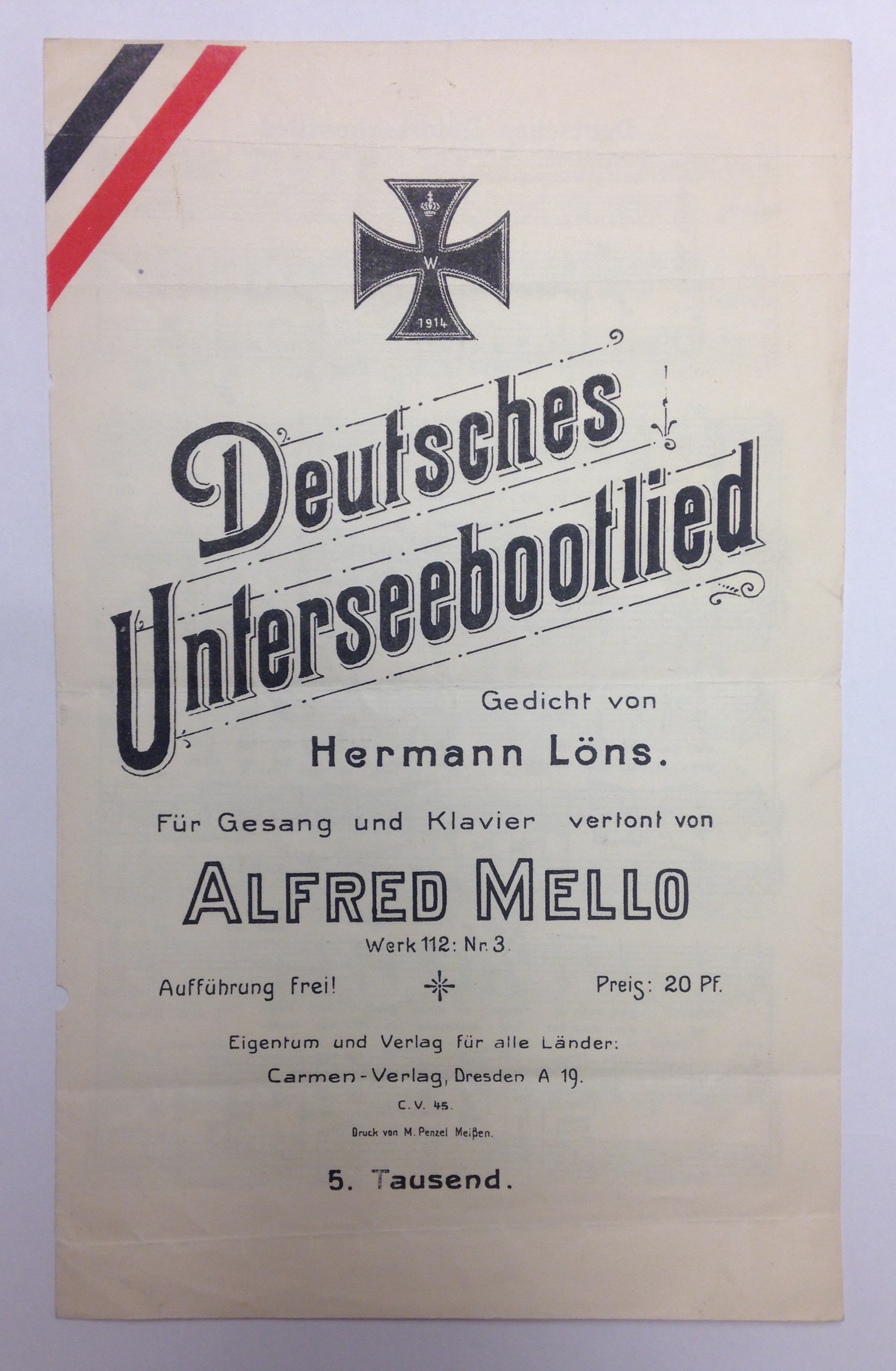
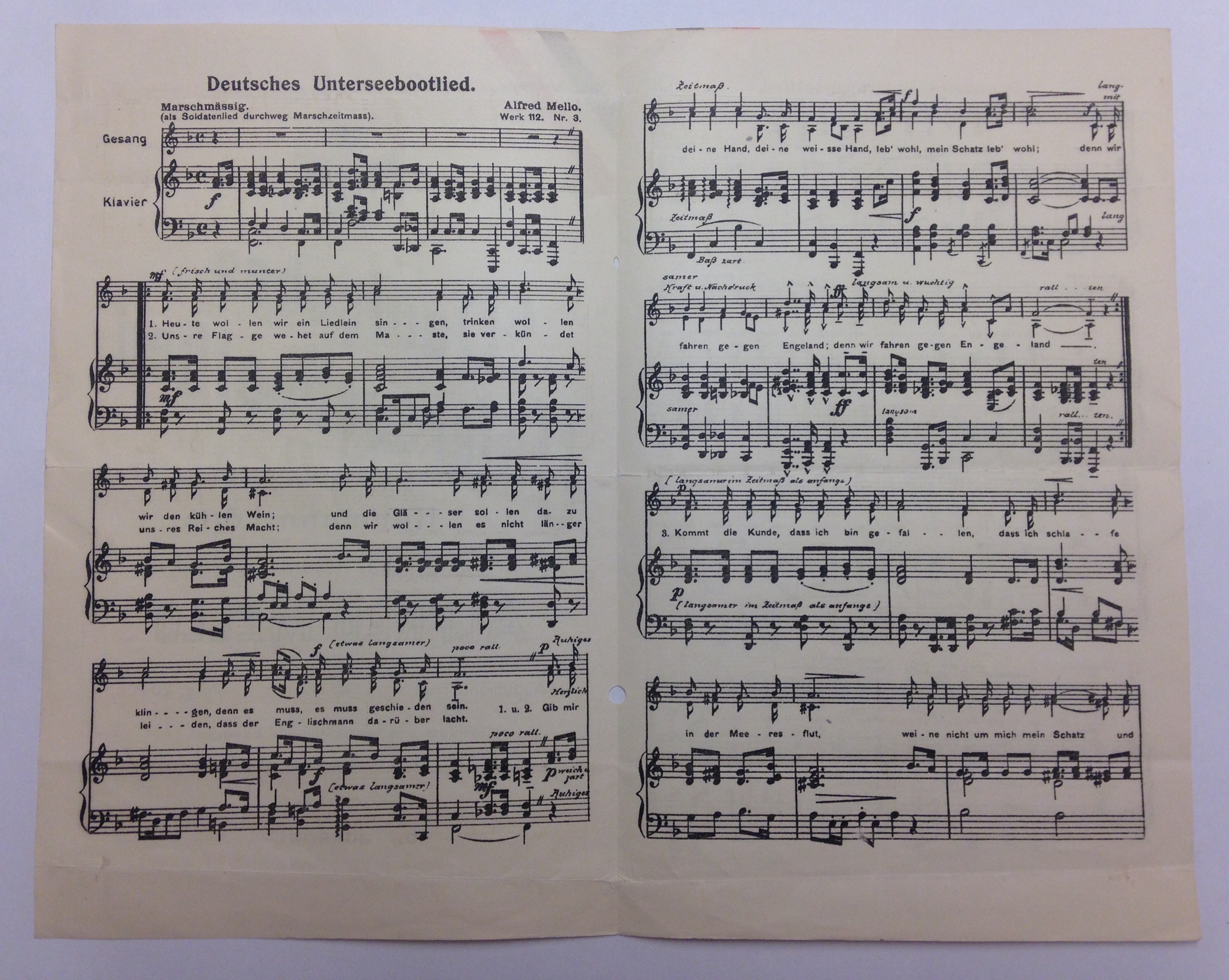
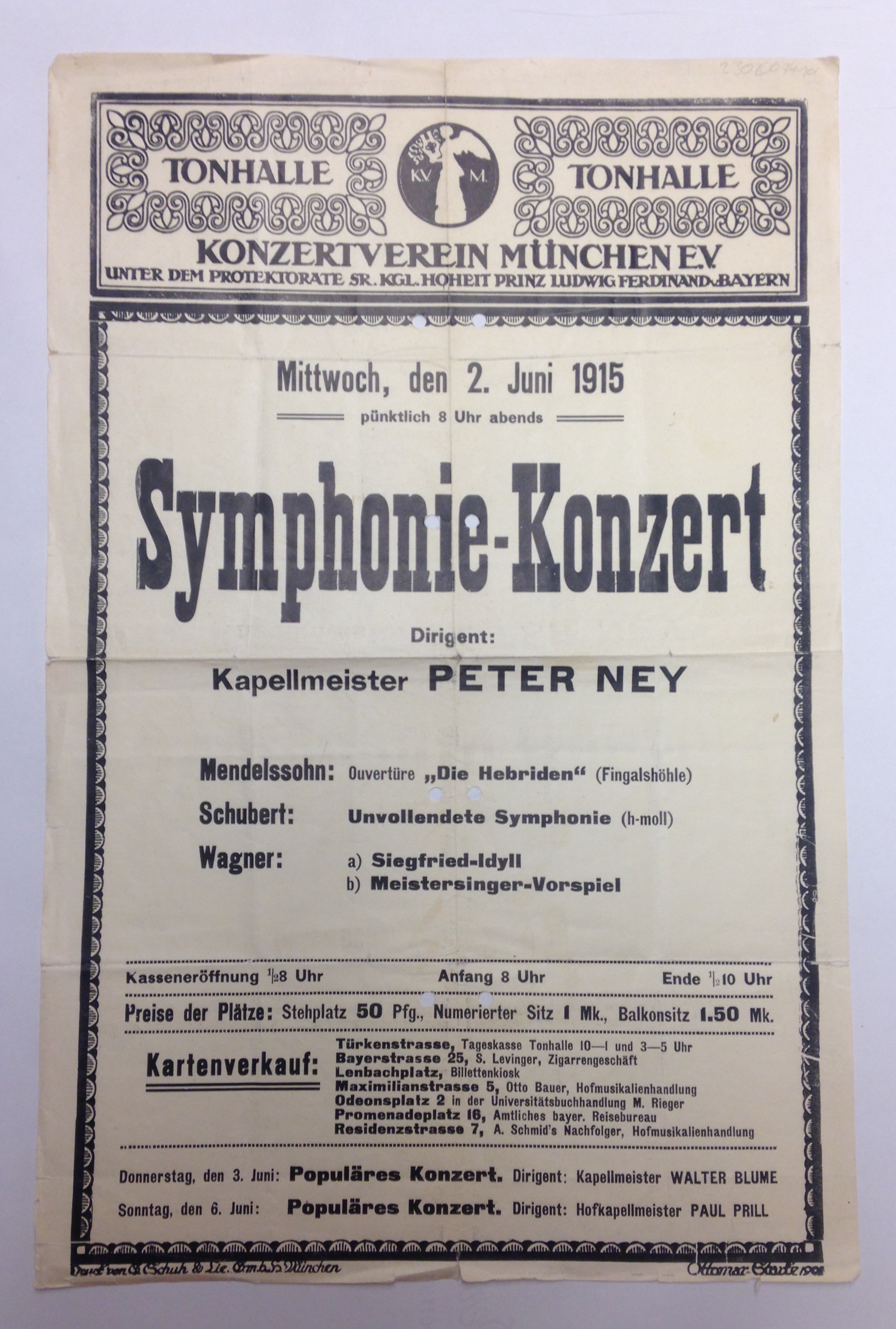
The rather eclectic collection of materials from this period includes original sheet music of the "German Submarine Song" sung by German navy soldiers heading towards England alongside a poster for a concert in the Tonhalle in Munich, where music by composers Felix Mendelssohn and Richard Wagner was performed in the same evening. In 1850, three years after Mendelssohn's death, Wagner published his famous essay Das Judentum in der Musik(Judaism in Music), where he attacked the music of Felix Mendelssohn and other German-Jewish composers. A performance of Wagner's music alongside Mendelssohn's stands out in light of the explicit anti-Semitism of Wagner and his attack on Mendelssohn. Such a program would not appear twenty years later. While Wagner and his music were venerated by Hitler, Mendelssohn's music was banned in Nazi Germany and his monument in front of the Gewandhaus in Leipzig was removed and destroyed by the Nazis in 1936 in an attempt to erase Mendelssohn's contribution from the history of German art music.