OdessaMain MenuCafé Culture in the "Jewish City"The History of OdessaA history inextricable from the Odessa caféOdessa CafésIsabella Buzynski4c5090420af98824ad786b6dac1f314b9e9f95a8
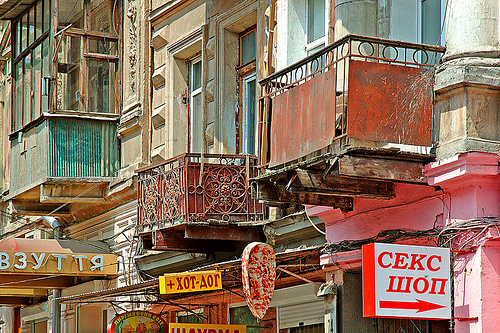
12018-07-22T00:17:49-07:00Moldavanka2A neighborhood in Odessaimage_header2018-12-28T23:56:30-08:0046.4736, 30.7164Moldavanka is a neighborhood in Odessa where many middle-class and poor Jewish migrants lived. By the late 19th and early 20th century, Moldavanka had become infamous for its destitute Jewish residents and for poverty and crime, which was reflected in the literature about Odessa.
The most memorable depictions of Moldavanka are found in the stories of Isaac Babel, who was born there in 1894. Babel’s most famous Odessan character is the gangster Benya Krik, the self-proclaimed “king of Odessa.” Benya Krik was based on the real figure of Mishka Yaponchik (Moisey Volfovich Vinnitsky), who operated mostly in Moldavanka and whom Babel knew well.