Thanks for your patience during our recent outage at scalar.usc.edu. While Scalar content is loading normally now, saving is still slow, and Scalar's 'additional metadata' features have been disabled, which may interfere with features like timelines and maps that depend on metadata. This also means that saving a page or media item will remove its additional metadata. If this occurs, you can use the 'All versions' link at the bottom of the page to restore the earlier version. We are continuing to troubleshoot, and will provide further updates as needed. Note that this only affects Scalar projects at scalar.usc.edu, and not those hosted elsewhere.
Micro-Landscapes of the AnthropoceneMain MenuMarginal WorldsPlant WorldsAnimal WorldsAmy Huang, Natasha Stavreski and Rose RzepaWatery WorldsInsect WorldsBird-Atmosphere WorldsContributed by Gemma and MerahExtinctionsMarginal WorldsSam, Zach and AlexE-ConceptsAn emergent vocabulary of eco-concepts for the late AnthropoceneSigi Jöttkandt4115726eb75e75e43252a5cbfc72a780d0304d7d
Week 1 Research Project Comment — Erin Kasiou
12021-02-22T15:15:43-08:00Sigi Jöttkandt4115726eb75e75e43252a5cbfc72a780d0304d7d309861plain2021-02-22T15:15:43-08:00Sigi Jöttkandt4115726eb75e75e43252a5cbfc72a780d0304d7dThe examination of ‘Flowers for Algernon’ through an eco-critical lens provides an interesting insight to Keyes’ use of the scientific ‘other’. A common trope, it may at first seem unusual that the ‘other’ in this situation is a lab mouse, as normally in science fiction it is a machine or alien of some sort. By considering the empathy for nature that this portrayal evokes, the reader is better able to understand the purpose of this ‘othering’ and how it challenges the place and authority of humanity in our world; a common objective of science fiction writing. Further, the parallels drawn between mouse and human mirror those often constructed between human and machine, or human and alien, further encouraging readers to question the nature of humanity. Thus, this eco-critical examination of flowers for Algernon enables a better understanding of the functioning of its science-fiction tropes.
This page has paths:
12021-04-22T00:10:36-07:00Sigi Jöttkandt4115726eb75e75e43252a5cbfc72a780d0304d7dScintillessentialismSigi Jöttkandt20The contents of Erin Kasiou's research projectplain10746662021-04-25T23:18:48-07:00Sigi Jöttkandt4115726eb75e75e43252a5cbfc72a780d0304d7d
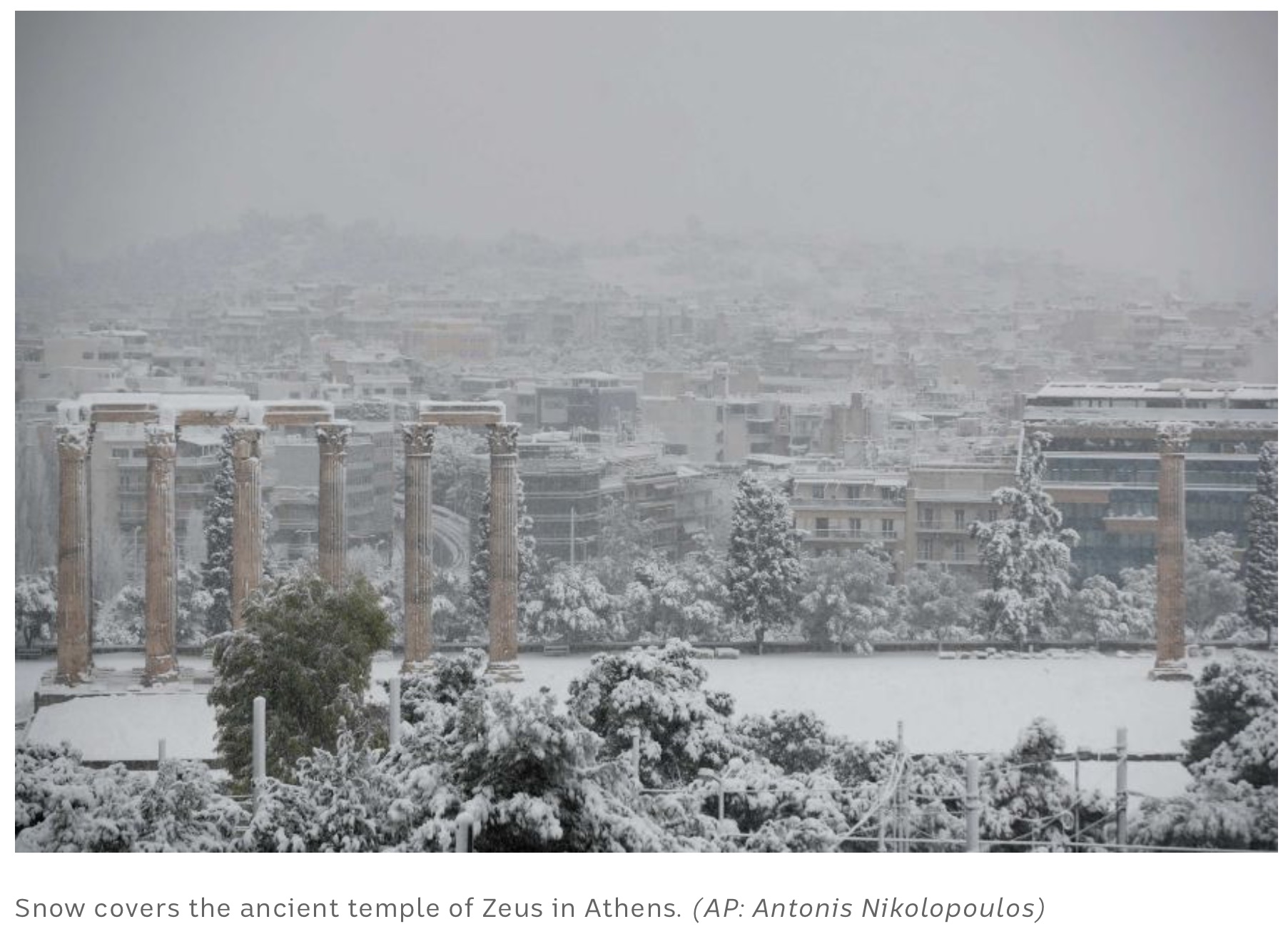
1media/Screen Shot 2021-02-18 at 10.15.42 am_thumb.jpg2021-02-17T16:18:35-08:00Sigi Jöttkandt4115726eb75e75e43252a5cbfc72a780d0304d7dSnow covers the ancient Temple of ZeusSigi Jöttkandt3Athens experiences unusual cold snap due to disturbed polar vortexplain2021-02-23T13:45:49-08:00Sigi Jöttkandt4115726eb75e75e43252a5cbfc72a780d0304d7d
1media/Rat in hands.jpg2018-08-29T13:38:59-07:00Sigi Jöttkandt4115726eb75e75e43252a5cbfc72a780d0304d7dAnimal Worlds: Close reading7Flowers for Algernonimage_header2019-03-15T08:31:06-07:00Sigi Jöttkandt4115726eb75e75e43252a5cbfc72a780d0304d7d