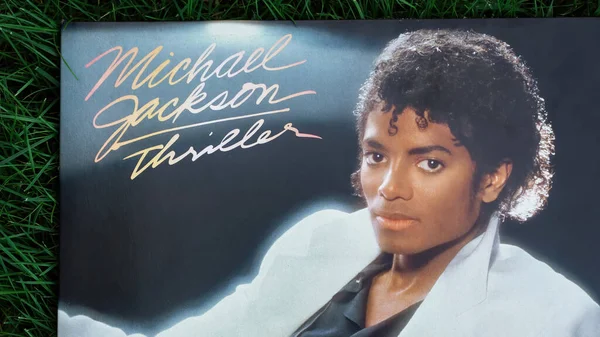
The Sound of Change
USA for Africa. "We Are the World”. Columbia Records: 1985.
Michael Jackson. "Black Or White" from Dangerous. Epic Records: 1991.
The Black Eyed Peas. "Where Is the Love?" from Elephunk. A&M Records: 2003.
OneRepublic. "I Lived" from Native. Interscope Records: 2014.
Kendrick Lamar. "DNA" from DAMN.. Top Dawg Entertainment: 2017.
Childish Gambino. "This is America". RCA Records: 2018.
Beginning with Michael Jackson’s “Black Or White,” this collection of songs, spanning both time and genres, transcends boundaries by using music as a medium for social justice. Jackson’s iconic anthem, with its infectious guitar riff and passionate plea for harmony, sets the tone. Among broader themes of social progress, this collection hits the high notes of racial equality and empowerment. “Black Or White,” the cornerstone of this selection, calls for unity and love across all races. Through these six tracks, the collection composes a symphony of struggle, exploring themes of social justice, racial identity, and the challenges that marginalized communities face. Organized chronologically, the notes sound out how each musical era adds new layers to this ongoing struggle. Each track builds on the foundation Jackson set, demonstrating music’s power to inspire change and confront harsh realities head-on, amplifying a unique track on racial justice and connects various generations from the mid 1980s to the late 2010s. With a mix of pop, rap, and RnB from the 80s, 90s, 2000s, and 2010s, this playlist offers something for everyone. The transition then crescendos with the power of collaboration, from Jackson’s pop masterpiece to USA for Africa’s “We Are the World,” the. This track reflects the shared responsibility of humanity to lift one another, echoing the message of unity first heard in "Black Or White." From here, the tempo shifts to the harsh realities of modern racial tensions, which have gained more attention through increased media coverage and awareness. Kendrick Lamar’s "DNA" celebrates Black identity and resilience, sharply contrasting the more hopeful tunes of the 1980s, yet maintaining its vital message. Alongside Childish Gambino’s “This is America,” these tracks harmonize the raw, contemporary realities of racial injustice in America, creating a powerful anthem for change."
Much like “Black Or White,” “We Are the World” amps a global call for unity, with lyrics like, “We are the world, we are the children.” The charity single unites voices from various genres, just as Jackson's track bridges racial divides. Legendary artists like Stevie Wonder and Bruce Springsteen add their voices to the chorus, striking a note of collective responsibility to uplift one another. Both songs crescendo as powerful reminders of how music can orchestrate societal change, urging us to focus on our shared identity of humanity.
The it song, Michael Jackson’s “Black Or White” strikes a powerful chord as an anthem of racial harmony, where he declares, “It don’t matter if you’re Black Or white.” This rock-infused pop track breaks genre boundaries and blends infectious guitar riffs with Jackson’s passionate delivery to harmonize the message. The song’s energetic tempo amplifies its call for unity and acceptance, making it a timeless anthem against racial prejudice.
"Where Is the Love?" by The Black Eyed Peas echoes Jackson’s call for peace, highlighting societal divisions with the lyrics, "People killing, people dying, where is the love?" Like “Black Or White,” this pop-rap track strikes a chord for unity, tackling themes of racism and inequality. The song's blend of uplifting melodies and heavy beats creates a contrast that mirrors the tension between hope and struggle in its message. The chorus reverberates with Jackson’s message, questioning why hate continues to persist. “Where Is the Love?” feels like a natural follow-up to Jackson’s anthem, carrying the legacy into the 2000s.
Though less directly political, OneRepublic’s “I Lived” strikes a note of optimism like “Black Or White,” as Ryan Tedder sings, “I owned every second that this world could give.” Both tracks celebrate overcoming life’s high and low notes, with Jackson focusing on racial harmony and “I Lived” emphasizing resilience and perseverance. The driving rhythm and soaring melody of “I Lived” enhance its uplifting message, urging listeners to embrace life’s challenges. Tedder’s soaring vocals and the song’s uplifting tone echo the same spirit of optimism found in Jackson’s anthem, offering a hopeful harmony in struggles.
While “Black Or White” harmonizes racial unity, Kendrick Lamar’s “DNA” delves deep into Black identity, confronting systemic racism with raw lyrics like “I got loyalty, got royalty inside my DNA.” Where Jackson calls for harmony, Lamar’s hard-hitting production beat emphasizes resilience and strength rooted in racial identity. The track’s aggression and sharp transitions contrast with Jackson’s pop optimism, but both songs celebrate pride in one’s heritage. The beat switch in “DNA” hits with intense force, reflecting the clash between internal pride and external oppression.
Hitting a dissonant note, “This is America” captures the chaos of America’s modern racial tensions, with its brutal commentary summed up in the line, “[d]on’t catch you slippin’ now.” The song’s abrupt shifts in style - from upbeat melodies to sudden, jarring trap beats - mirror the unpredictable and violent realities it addresses. While Jackson’s “Black Or White” sings a more hopeful tune, Gambino’s track is a sharp contrast with its unflinching portrayal of racial discrimination in the U.S. Yet, both songs challenge societal views on race: Jackson harmonizes a call for unity, while Gambino exposes the harsh realities of racial injustice in America.
As the final notes ring and beats fade out, you can almost imagine a crowd united, standing together despite the forces that try to divide them. Faces of all races and backgrounds glow under the same stage lights, reflecting the collective hope and determination that the song inspires. From the optimism of Michael Jackson’s “Black Or White” to the raw intensity of Childish Gambino’s “This is America,” this timeline echoes a shared call for racial justice, healing, and, most importantly, unity. Whether it’s Kendrick Lamar’s fierce pride in “DNA” or the hopeful collaboration of “We Are the World,” these songs speak to generations striving for the same thing– equality. Even as the fight for justice continues, these sounds remind us that music remains a powerful force: a tool to spark awareness, bridge divides, and inspire future generations to keep pushing for a united world.
This page has paths:
- Home Kainoa Wagatsuma