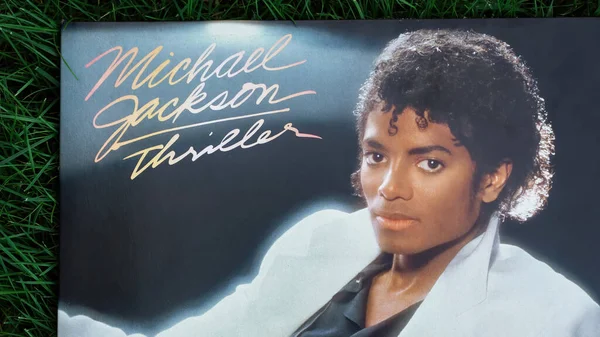
Setting the Stage
For instance, "Black Or White" and earlier songs by Jackson such as "We Are The World" made a resurgence on social media during the Black Lives Matter movement, where fans highlighted Jackson’s early advocacy for racial unity in American pop culture. The song’s core message, “It don’t matter if you’re black or white,” resonates with the movement’s call for racial equality and justice. Intersecting art and advocacy, the song’s ability to blend genres like rock, rap, and pop also reflects its mission to transcend divisions, both musically and socially, making it relevant decades after its release.
Jackson’s deliberate decision to politicize his music and image with "Black Or White" was a significant shift that would influence generations of artists who followed in his footsteps. Seth Clark Silberman, for example, offers a detailed analysis of how Jackson used "Black Or White" as a tool to manipulate his public persona (Silberman 2007). Silberman argues that Jackson strategically constructed his image to provoke debates around race and identity, portraying himself as a master manipulator of media and public perception. While Silberman’s view is valuable, it can be criticized for being overly narrow in scope. Jackson's choice to center the song around racial unity wasn’t solely about manipulation; it was part of his process of maturing as an artist, where he began to see music as a platform to address global issues (Silberman 2007). Furthermore, this project outlines how he used his newfound politicized platform to great effectiveness domestically, here in America.
Moreover, "Black Or White" was groundbreaking in how it fused different genres, blending rock’s aggressive guitar riffs with upbeat pop melodies and even incorporating a hip-hop segment (Hopper 2023). This genre collaboration style reinforced Jackson’s message of racial harmony by blending musical traditions often associated with different racial groups. As analyzed in the "Black Or White" page, the song’s instrumental elements - such as the iconic guitar riff - represent the tension between optimism and conflict inherent in discussions of race (Hopper 2023). This tension is reflected in the contrast between aggressive energy of the riff and the uplifting message of the lyrics, symbolizing the challenges of the current environment to make change. The rap section, which references systemic racism, racial violence, and the Ku Klux Klan, adds a stark reminder of the violence underpinning racial injustice in America. This fusion of sounds and various styles allowed Jackson to reach a broad audience, an American audience, appealing to many different cultures with a directed political statement.
Additionally, the cultural impact of "Black Or White" went far beyond its musical makeup and composition. As discussed in "The Sound of Change" page, this song laid the foundation for future musical efforts to address social justice (Hobbs 2018). USA for Africa's "We Are the World," which Jackson co-wrote several years earlier, carried a similar message of unity but focused more on global humanitarianism (Fatah 2009). In contrast, "Black Or White" directly addressed race within the American context, connecting Jackson’s earlier philanthropic efforts and his later, more pointed messages on race. The playlist further traces how more modern artists like Kendrick Lamar and Childish Gambino have continued to use music as a vehicle for addressing systemic racism and social justice (The Groove 2021).
The societal reaction to "Black Or White" was mixed. On one hand, the song was praised for its message of unity and became a cultural milestone of progress; on the other hand, Jackson faced critiques, with some reviewers interpreting the song and its video as an attempt to reconcile his own racial identity struggles (The Groove 2021). Generally, Jackson’s work has often been analyzed in informal, non-academic spaces, which allowed for a wide range of interpretations about his political messages. But in this project, I will take a more focused analytical approach while preserving the grassroots style in which audiences traditionally shared and interpreted his messages. This blog post helps highlight how songs like "Black Or White" resonated everyday with both listeners and critics, creating a ripple effect across both pop culture and political conversations.
Tying together the various threads of Jackson’s career, "Black Or White" is the focal point for understanding how his music evolved into a tool for social commentary on America. By comparing this song to both his earlier works, like "We Are the World," and later songs by artists influenced by him, Jackson pioneered the integration of pop music and political activism. Thus, Jackson’s "Black Or White" stands as more than just a pop hit - it is a cultural achievement that challenged societal views on race and remains relevant in discussions around social justice today. By leveraging the accessibility and broad appeal of his pop music, Jackson was able to make a long-lasting statement about the possibility of racial harmony in America– a world often divided by differences.
This page has paths:
- Home Kainoa Wagatsuma