Legacy of a Legend
Michael Jackson wasn’t just a musician; he was a global phenomenon whose dance moves, iconic style, and genre-defining sound set him apart as the King of Pop. By the mid-1980s, Jackson was known for chart-topping hits like “Billie Jean” and “Thriller”, songs that showcased his electrifying energy and universal appeal but steered clear of political topics. His success lay in crafting music that united audiences of all backgrounds under the spell of pure entertainment (Breihan 2021). Yet, as Jackson’s career evolved, so did his message. In 1991, he surprised fans and critics alike with “Black Or White”, a single that broke from his typical themes and tackled a pressing social issue: racial unity. Jackson’s choice to shift also redefined pop music as a space to push for social progress, especially in America. This essay will explore how Jackson’s transformation from pop superstar to political voice has changed American pop culture and pushed the boundaries of what music could convey starting in early 1990s America.
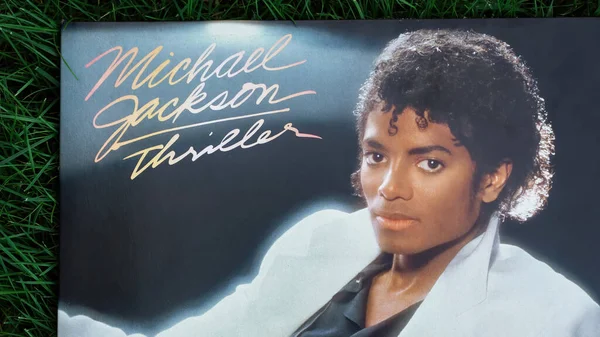
In the early 1980s, Michael Jackson’s rise to superstardom redefined pop music. His albums “Thriller” (1982) and “Bad” (1987) didn’t just produce hit singles; they set new standards for music videos, dance, and style. Songs like “Billie Jean”, “Beat It”, and “Smooth Criminal” showcased Jackson’s ability to blend electrifying rhythms with universal themes of love, ambition, and resilience. During this era, mainstream pop generally followed the feel-good themes, sidestepping political or controversial issues. Through focusing his genre around relatable and non-controversial themes and following the precedent, his music appealed and could largely be enjoyed by listeners of all backgrounds in America, reinforcing his place in pop history as a unifying cultural figure. This context magnifies Jackson’s later shift in the 90s, where he broke from tradition with songs like “Black Or White” that boldly addressed social issues, making his move toward activism all the more groundbreaking.
With “Black Or White”, Michael Jackson broke new ground, using his music to address racial identity and unity in a way pop hadn’t seen before. The song’s lyrics spoke directly to issues of race, with lines like “[i]f you’re thinkin’ about my baby, it don’t matter if you’re black or white,” sending a clear message of acceptance and equality. Even the production of the music video cemented this message, famously featuring the force-morphing sequence that showcased people across different races and ethnicities, Jackson used this as a tool to symbolize unity and diversity primarily among American demographics. This groundbreaking visual effect for the time was especially innovative and perhaps jarring for some fans, adding to its memorability and underscoring Jackson’s call for racial barriers to be dissolved in the 90s.
Fans and critics were divided; some applauded Jackson’s courage to take a stand on a controversial issue, while others questioned whether his message resonated or felt out of place in the pop landscape. Beyond the lyrics and the sound, the video alone sparked discussions, with some scenes seen as provocative or misunderstood in addition to the face-morphing sequence adding polarization to the song’s reception (Silberman 2007). More specific to the release date in 1991, “Black Or White” came at a time when racial tensions were especially high in the United States, with events like the Rodney King beating and ensuing discussions on race relations at the forefront of American society.
With “Black Or White”, Michael Jackson not only created a chart-topping hit but also brought issues of race and identity to the heart of mainstream American pop culture. For many listeners, this was their first encounter with such direct social themes in pop music, sparking conversations that extended beyond the dance floor and into daily life. Jackson’s choice to confront racial prejudice within a genre typically associated with light-hearted themes challenged the expectations of pop audiences and set a new standard for cultural relevance in popular music (The Groove 2021). Much like the transformative impact of protest music in the 60s, “Black Or White” redefined what pop could achieve. Jackson’s move towards political messaging through pop was rare for its time, paving the way for future artists to use their music for social activism. His influence can be seen in artists who have since used their platform to highlight issues of social justice, from Beyoncé’s “Formation” to Kendrick Lamar’s “Alright”.
In terms of his audience, the reactions to Jackson’s message were as diverse as his fanbase. Fan blogs, early internet forums, and media outlets offered varied interpretations—some fans admired his courage to address race, seeing him as a pioneer for unity and inclusivity, while others felt skeptical or unsure if his message was effective or resonated (Browne 2009). These grassroots discussions only grew, illustrating how Jackson’s message had reached beyond the confines of radio and music television to inspire debate and reflection within his vast, global audience.
Thus, “Black Or White” served as a milestone in Michael Jackson’s career—becoming bigger than music and making a statement on America’s status of inclusivity and race. By leveraging his unparalleled popularity as the King of Pop, Jackson used this song in a way few mainstream pop artists had done before. In addition to setting a precedent, his message of inclusivity resonated deeply during a time of heightened racial tension in America, addressing pressing societal issues in a genre that typically avoided such topics. Even decades later, “Black Or White” still holds relevance in discussions today of race and identity, continuing to shape conversations on social unity.
Michael Jackson’s journey from pop superstar to advocate through his music represents a groundbreaking shift in the pop music landscape. With “Black Or White”, this transformation elevated Jackson’s influence beyond the music charts, allowing him to use his platform to and promote unity, creating a template for other artists to follow suit. Jackson’s impact on pop culture lies not only in his music’s entertainment value but also in his willingness to address serious social issues, showing that pop music could carry sensitive messages and should be used as a tool to better American communities. Jackson challenge to pop’s purpose inspired future American artists to see music as a tool for change, incorporating themes of racial identity and inclusivity. In terms of legacy, Jackson’s “Black Or White” reminds us of the powerful role music can play in shaping societal views on race and identity. How does music continue to shape social change in today? Whether that be on the walk to school or the car ride to work, music is so mainstream in our era. Being incorporated into the average Americans routine, messages that promote social change in America is heard on the daily. Jackson’s work invites us to consider the growth in positive impact artists can have here in America when they dare to blend art with advocacy, an influence that resonates as strongly now as it did in his era.
This page has paths:
- Home Kainoa Wagatsuma