Great Migration
1 2018-02-17T02:15:32-08:00 Maureen Gray ab288c53aefb942d3e6102c32f4d6e3a10268d3b 19701 1 African Americans migrated North for jobs plain 2018-02-17T02:15:32-08:00 Maureen Gray ab288c53aefb942d3e6102c32f4d6e3a10268d3bThis page is referenced by:
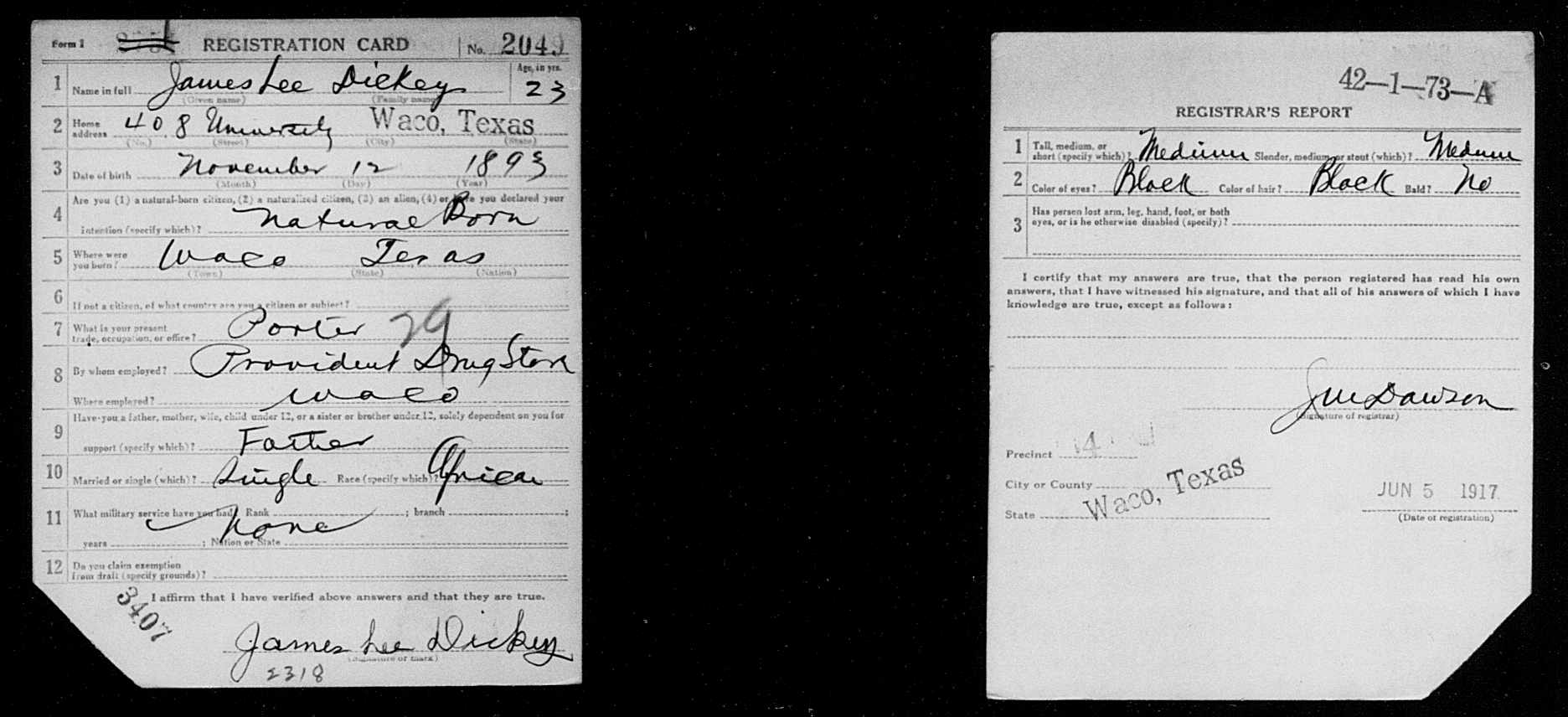
- 1 media/USA_infantry_Verdun_African_American_WWI.jpg 2018-02-03T19:35:13-08:00 War Intervenes 5 Private James Lee Dickey image_header 2018-02-17T02:20:01-08:00 As with many young men in 1917, the coming years brought about several changes. America joined World War I in April and the Selective Service Act was implemented in May. Having returned home for the summer, James dutifully registered for the draft. He delivered medicines for Provident Drug Store to support his parents and siblings before he left for medical school at Meharry College. Soon after, Uncle Sam called James up for duty. On December 29, 1917, James enlisted with the Student Army Training Corps, a university level version of an ROTC, and as a medical student, he became part of Medical Education Research Certification Program. Both programs were to prepare young soldiers in anticipation of American need in Europe. In general, World War I also centered James Dickey’s eyes on the future. When Americans answered the call to arms, factories in the North sought workers from the untapped population of the South. The Great Migration changed the demographics of the United States by sweeping approximately a million black Southerners into the urban centers of Detroit, Chicago, Philadelphia and New York where an industrial worker earned three times more than a black farmworker in the South. Free of the oppression of Jim Crow (Southern laws created keep African-Americans subservient laborers), the African American population grew and so did the need for black doctors. This was where James Dickey saw himself; he would get his medical license and move north.
-
1
media/WWI Soldiers.jpeg
2018-04-12T03:37:42-07:00
World War I
3
Hope for democracy at home
image_header
2018-04-12T03:57:17-07:00
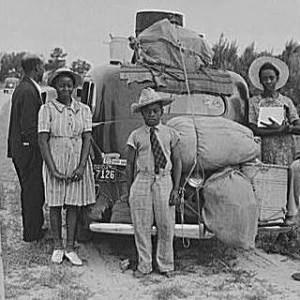
When WWI erupted in1914, most Americans saw no need become involved in a European family squabble. As greater demand for American made products increased, African Americans were lured north to work in factories. Opportunities abounded because in addition to manufacturing war products, immigration from southern and eastern Europe halted the influx of fresh workers that had fueled the Gilded Age. Though wages and living conditions were scarcely better for African Americans in the North, the opportunity to escape the vile discrimination of the South weighed in the North’s favor. In northern urban areas, African Americans lived in close-knit units whereas sharecropping kept them separate. As one migrant from Alabama wrote in the Chicago Defender, “(I) am in the darkness of the south and (I) am trying my best to get out.”
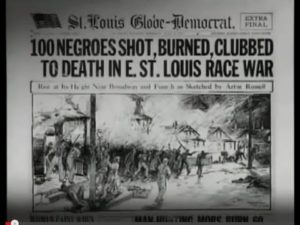
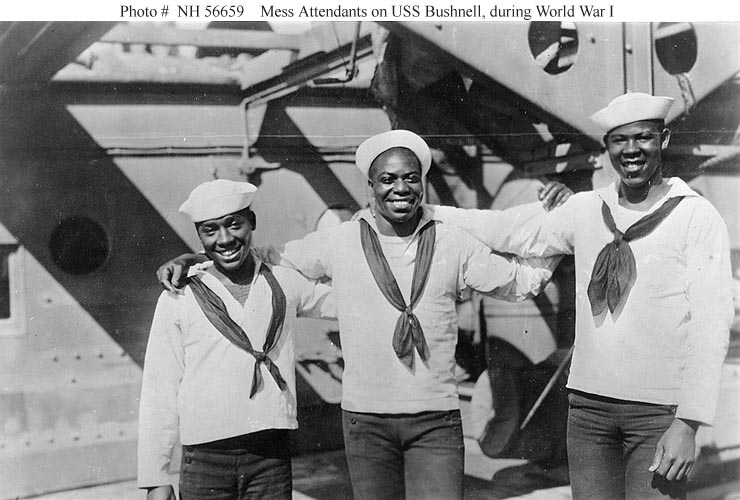
President Wilson promoted the war to Americans because we were making the "world safe for democracy.” African Americans hoped it would bring democracy to them also. Though some outspoken African Americans like A. Philip Randolph opposed black participation in the war, many black newspapers supported it. “Colored folks should be patriotic,” the Richmond Planet insisted. “Do not let us be chargeable with being disloyal to the flag.” Over one million African Americans responded to their draft calls, and 370,000 were inducted into the army. During training in the South, colored troops were treated horribly, many northern recruits could not bear the oppression resulting in riots in both East St. Louis and Houston in 1917, leaving tensions high and 129 Negroes dead.
In Europe, segregated African American units were denied combat assignments, relegated to mop and bucket jobs.Europeans welcomed the colored soldiers into their pubs, restaurants, and nightclubs giving them a taste of equality. When they returned to America after the war, discrimination was doubly difficult to accept.