James Lee Dickey: An Analysis of One African-American's Leadership in Jim Crow TexasMain MenuJames Lee Dickey: An Analysis of One African American's Leadership in Jim Crow TexasIntroductionSlave No MoreFreedman after Bondage 1865 - 1955African American LeadershipContenders for the TitleJames Lee DickeyThe Leadership of James Lee DickeyLocations in Dr. James Lee Dickey's StoryGoogle locations for Dr. Dickey's BiographyMaureen Grayab288c53aefb942d3e6102c32f4d6e3a10268d3b
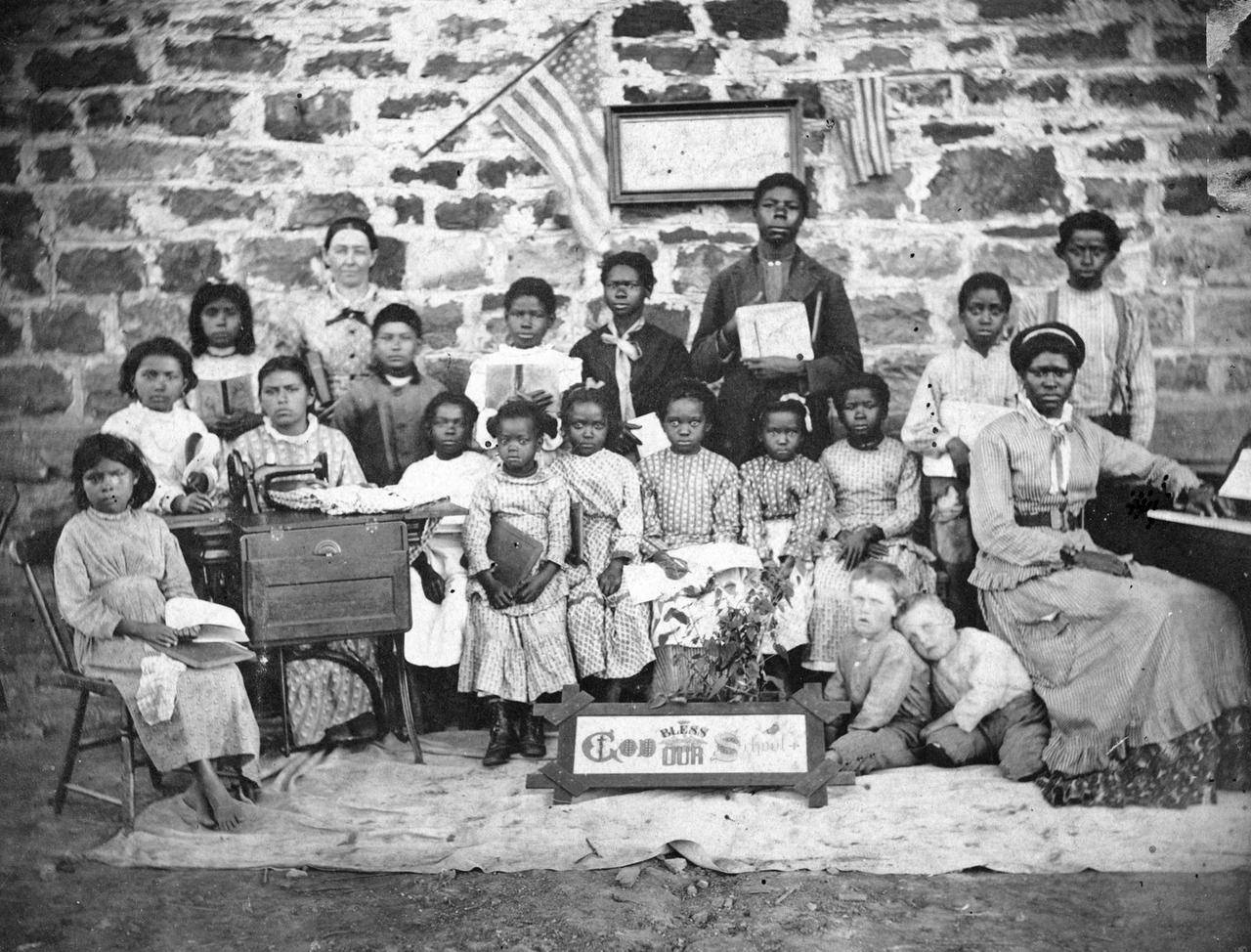
Freedman's Integrated School
12018-03-27T03:30:10-07:00Maureen Grayab288c53aefb942d3e6102c32f4d6e3a10268d3b197011A Freedmen's School for Freed Slaves and Native Americansplain2018-03-27T03:30:10-07:00Maureen Grayab288c53aefb942d3e6102c32f4d6e3a10268d3b
This page is referenced by:
1media/freedmen-bureau-schools-,2.jpgmedia/freedmen-bureau-schools-,2.jpg2018-03-05T01:14:49-08:00Freedmen's Schools7image_header2018-06-18T04:28:34-07:00Previously, Southern states had prosecuted those found teaching slaves to read, write or compute arithmetic because they believed knowledge amongst slaves would incite insurrection. Many former slaves felt the worst crime committed against them was their lack of education. Within four years, the Freedmen’s Bureau increased the number of schools from 740 with 90,589 students to 2,677 schools with 149,581 students. In addition, it inspired the creation of several normal schools and black colleges, among them Howard and Fisk Universities. In 1865 about 90% of the black population was illiterate but by 1880 it had decreased to 70%. This was an improvement of 200% in 15 short years.