Thanks for your patience during our recent outage at scalar.usc.edu. While Scalar content is loading normally now, saving is still slow, and Scalar's 'additional metadata' features have been disabled, which may interfere with features like timelines and maps that depend on metadata. This also means that saving a page or media item will remove its additional metadata. If this occurs, you can use the 'All versions' link at the bottom of the page to restore the earlier version. We are continuing to troubleshoot, and will provide further updates as needed. Note that this only affects Scalar projects at scalar.usc.edu, and not those hosted elsewhere.
HIGH ART HIPOCRISY: Intersections of Cartoons and Fine Art Main MenuIntroductionThe Birth of the NewspaperComics: Taking Over the Sunday SupplementComics in the Early 1900sThe 1913 Armory ShowShowtime! New York City, Chicago, and BostonThe Critiques and The ComicsThe Pop Art Movement, Roy Lichtenstein, and Comic BooksDeconstructing Perspectives of Lichtenstein’s Work: Pro-Appropriation or Pro-Cartoonist?The Rise of 1940s Comic Books in the Late 20th CenturyComics in MuseumsThe MoMA “High and Low” ShowArt Spiegelman’s Response to MoMA High and LowComics in Museums TodayAbstract ComicsCora's Curation of Abstract ComicsConclusionReferencesCora Hernandezca60d402b432a51ad192c7a6d79f42e30854c48e
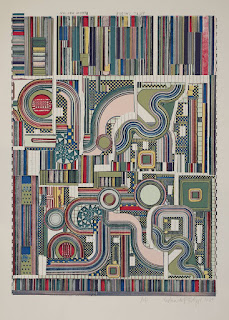
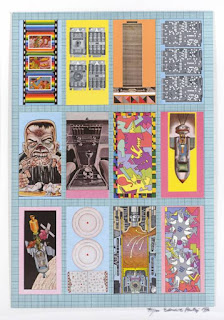
"Appel-Calder," (1975) by Eduardo Paolozzi
1media/paolozzi appel-calder 1975_thumb.jpg2024-08-14T07:14:41-07:00Cora Hernandezca60d402b432a51ad192c7a6d79f42e30854c48e456711"Appel-Calder," (1975) by Eduardo Paolozziplain2024-08-14T07:14:41-07:00Cora Hernandezca60d402b432a51ad192c7a6d79f42e30854c48e
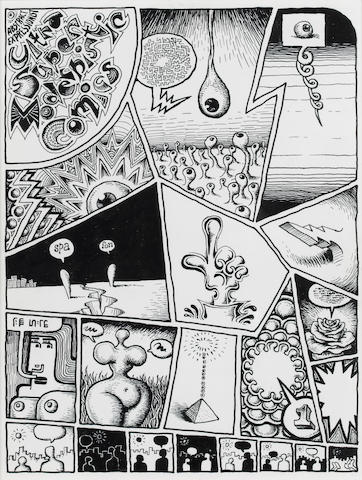
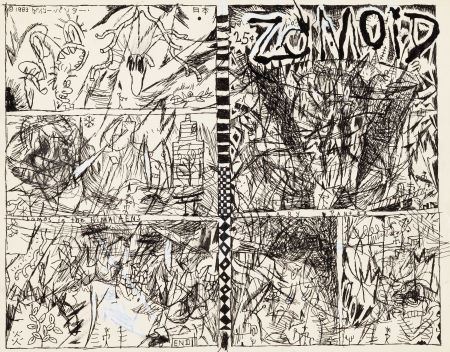
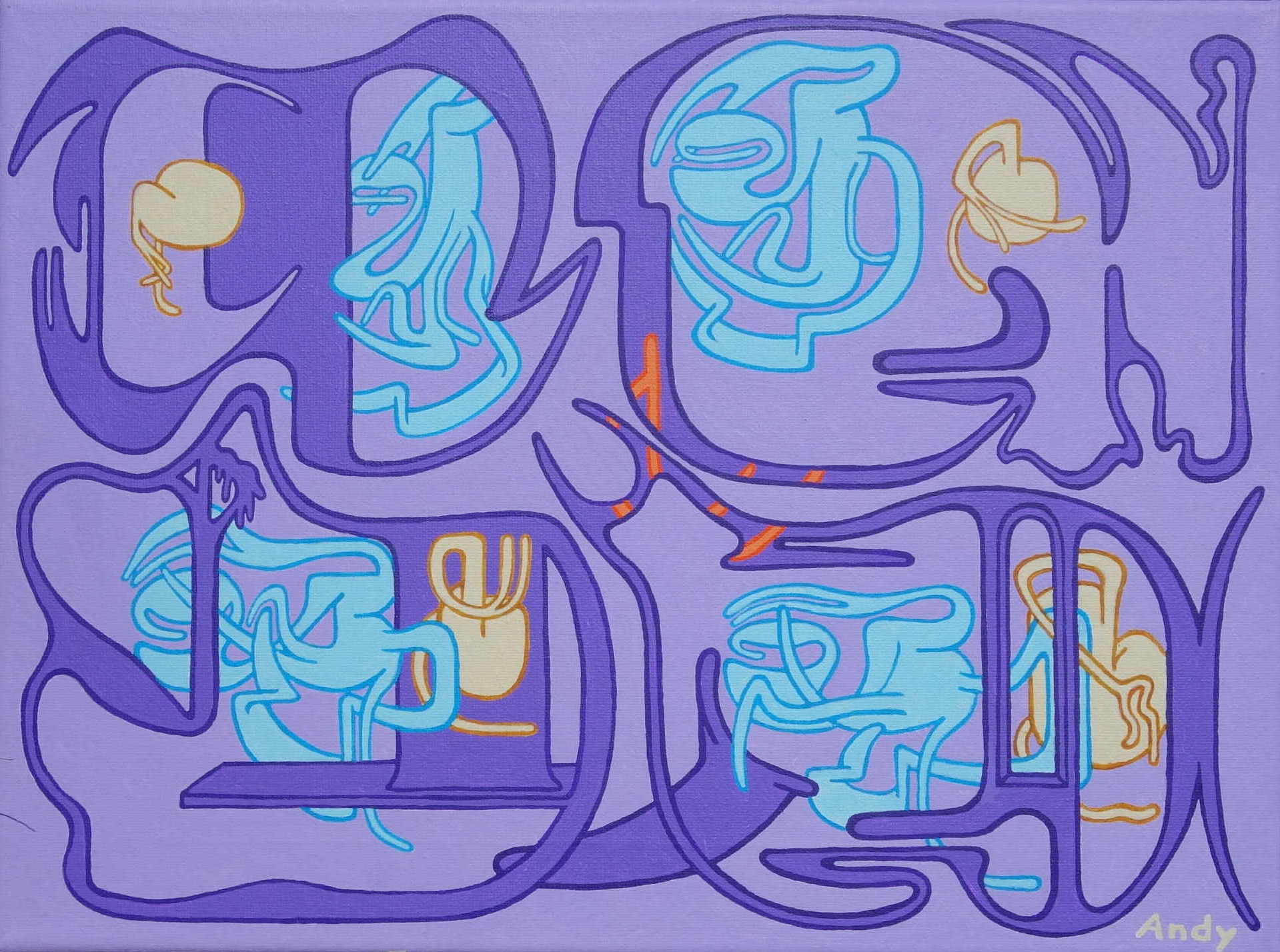
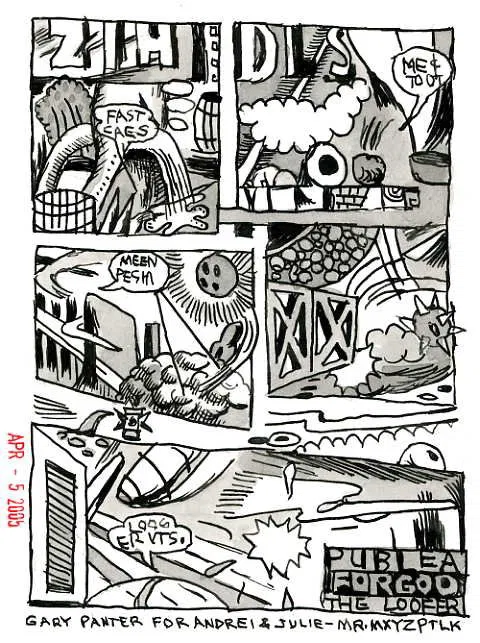
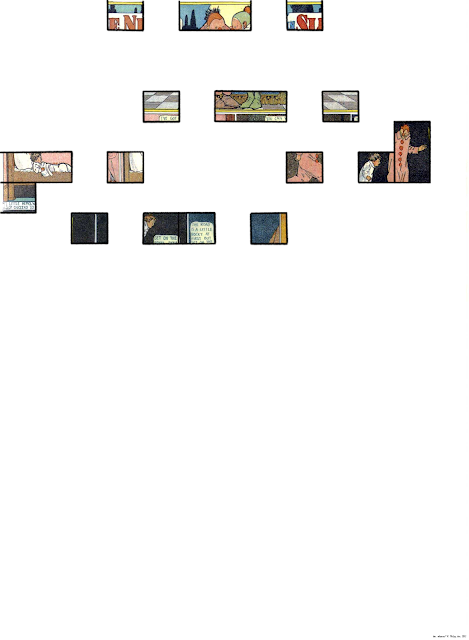
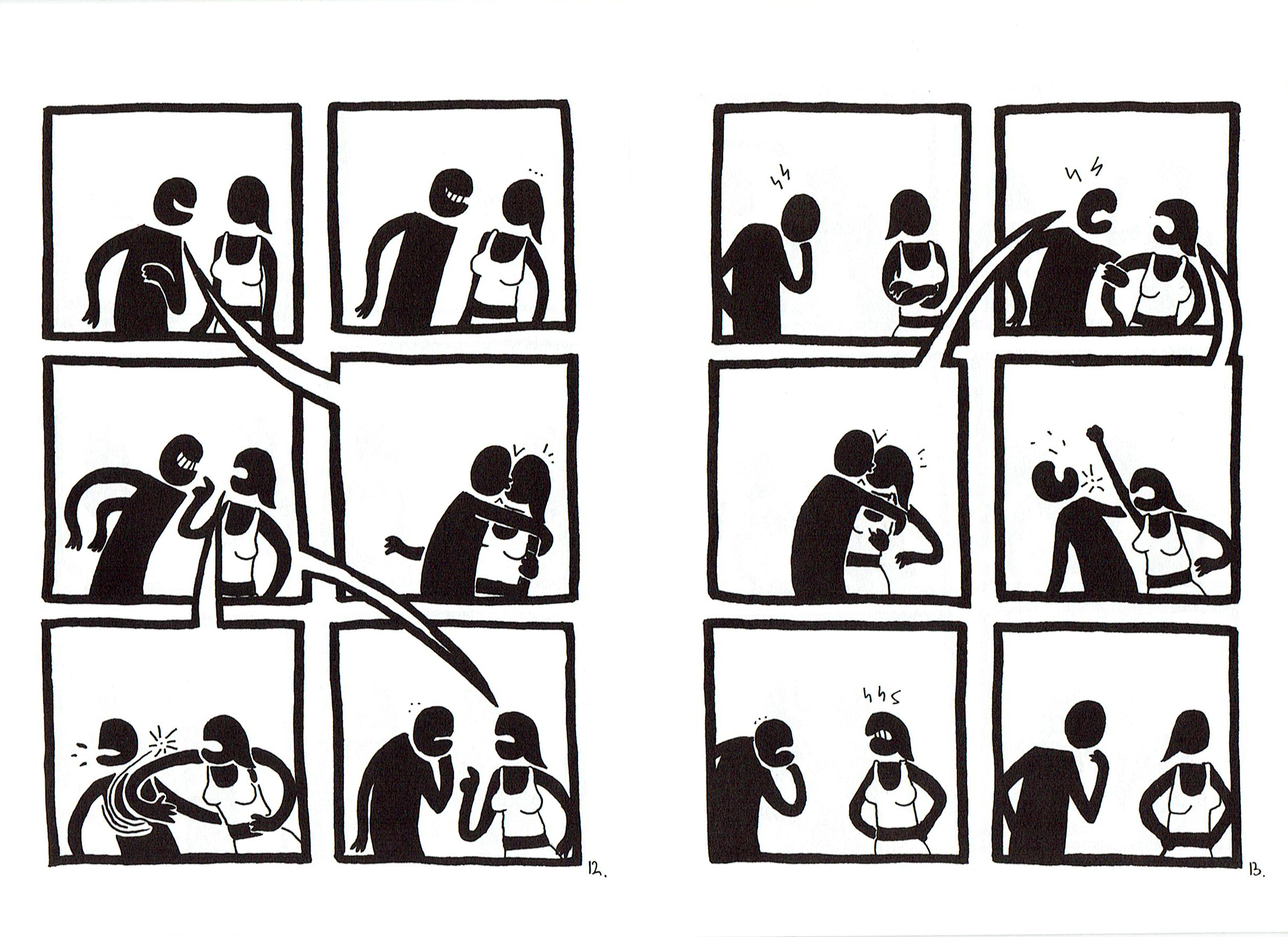
Below you will find a personal curation of some of my favorite abstract comic works that stood out while reading Andrei Molotiu's Abstract Comics Anthology. See if you can use Davies method of viewing to make meaning for yourself!