Scalar's 'additional metadata' features have been disabled on this install. Learn more.
HIGH ART HIPOCRISY: Intersections of Cartoons and Fine Art Main MenuIntroductionThe Birth of the NewspaperComics: Taking Over the Sunday SupplementComics in the Early 1900sShowtime! New York City, Chicago, and BostonThe Critiques and The ComicsThe Pop Art Movement, Roy Lichtenstein, and Comic BooksDeconstructing Perspectives of Lichtenstein’s Work: Pro-Appropriation or Pro-Cartoonist?The Rise of 1940s Comic Books in the Late 20th CenturyComics in MuseumsThe MoMA “High and Low” ShowArt Spiegelman’s Response to MoMA High and LowComics in Museums TodayAbstract ComicsCora's Curation of Abstract ComicsConclusionReferencesCora Hernandezca60d402b432a51ad192c7a6d79f42e30854c48e
Exposition: the International Exhibition of Modern Art (1913)
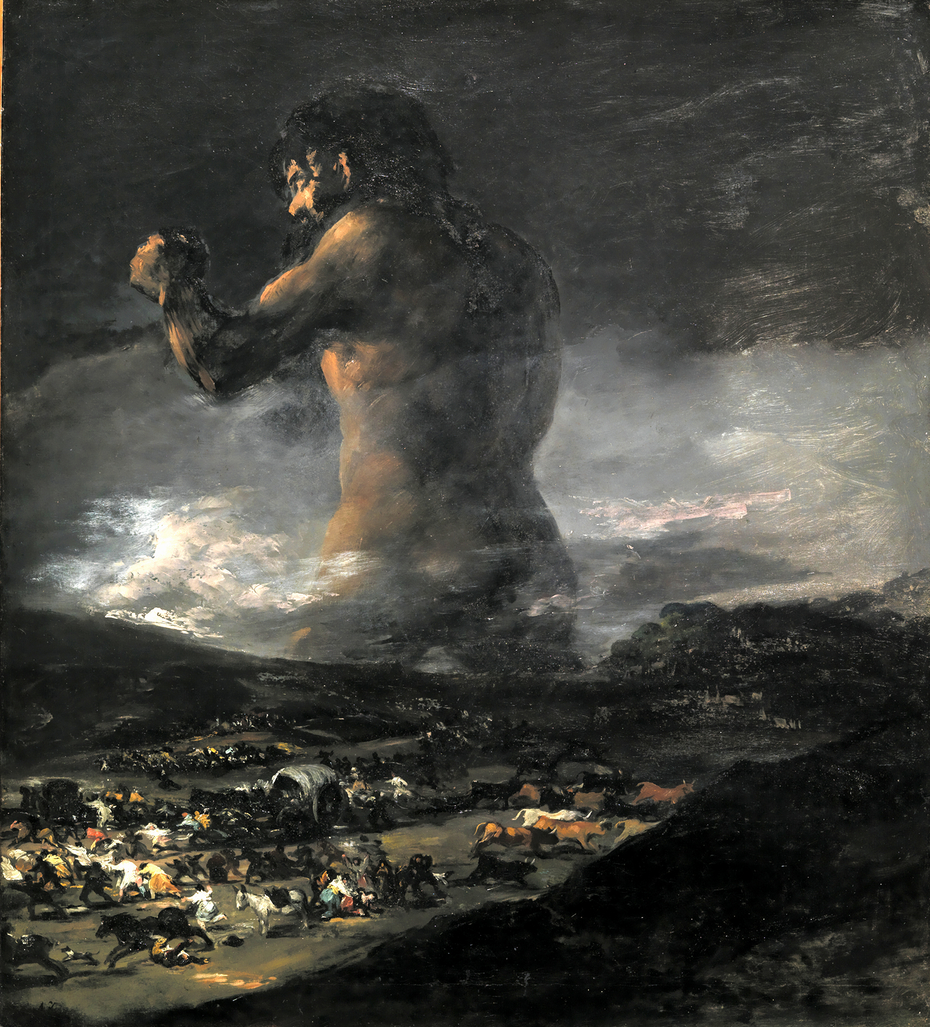
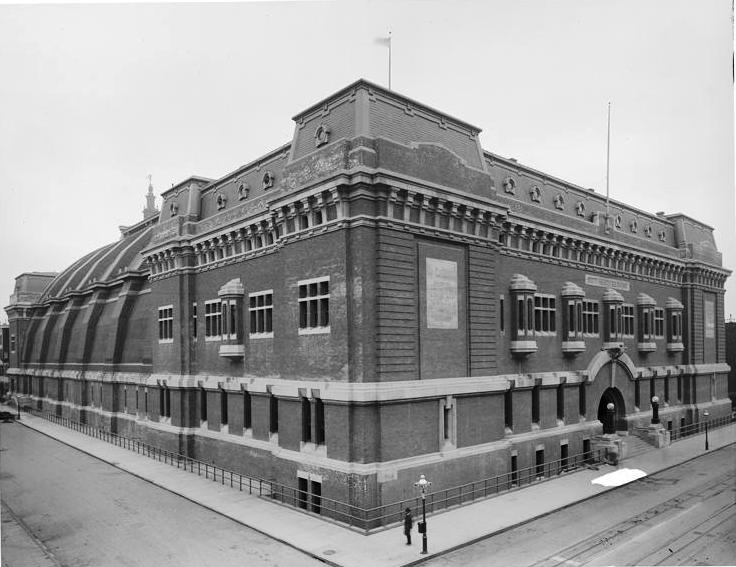
The state of fine art in the 1910s was at a crossroads. On one side, traditional fine artists who specialized in so-called academic art. Traditional/Academic art focused on the practice and furthering of the previously established field of realistic drawing, painting, and architecture. Founded in Manhattan, New York City in 1825, The National Academy of Design was the leading institution for art education and exhibition at the time. The Academy was founded by a group of students of the American Academy of Fine Arts in response to the strict teaching style and standards, with Samuel Morse leading the group and becoming acting president. The Academy of Design had a reputation for being conservative with their teachings and practices surrounding fine art during the early 1900s, and was known for being reluctant to developing modern art styles that were migrating from Europe to America. These new, distinct styles of modern art were labeled as “progressive,” and shunned for not conforming to traditional standards of fine art. Not many Americans had opportunities to view art at the time, according to Elizabeth Lunday, who wrote TheModern Art Invasion, speaking about the state of fine art in America before the Armory Show. In the book she states, “Not many Americans could afford to collect art, and those who did often bought paintings as a badge of wealth rather than an expression of taste; Gilded Age millionaires spent vast sums-up to $60,000 ($1.4 million in 2013 dollars) on paintings by French academic favorites, Willian-Adolphe Bouguereau and Jean-Louis-Ernest Meissonier. What little art that the average American did see was carefully selected by these same men with their dated tastes.” (Lunday 5) The American public had extremely little, if any exposure to the styles of progressive, modern art. Additionally, the press, when they did cover stories on fine art, did not focus on any progressive American artists. On the other track, progressive artists were trying to gain recognition and validation of their work. These artists’ efforts were continuously shut down and rejected by those at the Academy of Design, and they were sick of it. Progressive art had been gradually growing in Europe since the 1860s, with Francisco de Goya being credited as the father of modernism, having created modernist works featuring elements of impressionism and surrealism. Progressive art, also known as modern art, was in full swing during the beginning of the 1910s in European countries such as Spain and France, and progressive American artists were desperate for the rise of progressive art in America. Among the progressive American artists fighting for recognition was Walter Kuhn. Born in New York City in 1877, Kuhn had been practicing art since he was a young boy. At the age of 15, Kuhn first began selling illustrations to magazines. A year or so later, he was enrolled in art classes at the Brooklyn Polytechnic Institute. After spending the rest of his young adult years working miscellaneous jobs, including being an illustrator, cartoonist/comic artist, teacher, and painter, he had his first solo art exhibition in New York in 1909 with the help of his reputation as a commercial illustrator. Kuhn became acquaintances with other progressive artists of the time. In 1910, he held an ExhibitionofIndependent Artists with fellow progressive artists Robert Henri and John Sloan. During his time teaching at the New York School of Art, he also met Arthur B. Davies, and after a few meetings with a group of peers discussing the state of progressive art, they decided to rival the Academy of Design by starting an academy of their own. In January 1912, the American Academy of Painters and Sculptors (AAPS) was founded. The AAPS dedicated themselves to providing exhibition spaces for young progressive artists and to make art and art education more accessible to America’s general public. They declared themselves openly at war with the American Academy of Design. The AAPS immediately started planning their first exhibition. They would title the exhibition the InternationalExhibitionofModern Art, and Kuhn began location scouting for a venue that could provide enough space for the exhibition. Kuhn decided on the 69th Regiment Armory in the spring of 1912, and rented the space for $5,000. Soon after he finished location scouting, Kuhn set off to Europe to find artwork for the exhibition. The AAPS had decided to focus the exhibition on displaying European modernism in America, along with some American-made modern art. Kuhn first attended the 1912 Sonderbund exhibition, which took place in Germany. Kuhn had almost missed the exhibition, but made it just as they had started to take the artwork down. At the Sonderbund, he found many influential works from European avant-gardes, including Vincent van Gogh, Paul Gauguin, and Paul Cézanne. He was amazed by the artwork. The Sonderbund was one of many stops that Kuhn made on his way through Europe - and the most important were yet to come. A few months later, Kuhn and Davies met in Paris, France. There, they would gather the remaining works needed for their exhibition and head back to the states. Kuhn met up with Walter Pach, who was familiar with the art scene in Paris. Pach’s role in the Armory Show was vital, as he was also in charge of most of the show’s financial aspects. Davies had met the other two organizers in Paris, somewhere in late 1912. Pach introduced Kuhn and Davies to some of the best modern European artists at the time; Pablo Picasso, Henri Matisse, Marcel Duchamp, George Braque, Juan Gris, Jean Metzinger, Robert Delaunay, Marie Laurencin, to name a few. These artists had been practicing one of the newest modern art movements, Cubism, as a group, and called themselves the “Salon Cubists” “Salon Cubists exhibited in Paris’ in many shows, with the result that when the public thought of Cubism at the time, it thought of the Puteaux Group, not Picasso or Braque. One of the group’s major exhibitions closed only a week or so before Kuhn arrived in Paris. Kuhn likely read about it while he was in Germany - in letters from Munich he told Vera he was learning more about “these freak Cubists” (Lunday, 37). Most of the work from the Salon Cubists would make it back to New York. After deciding on what artworks would be exhibited in the Armory Show, Kuhn and Davies ventured back to New York, while Pach stayed back to arrange the loans and shipping arrangements for the artwork.
Contents of this path:
12024-08-13T20:03:11-07:00Cora Hernandezca60d402b432a51ad192c7a6d79f42e30854c48eShowtime! New York City, Chicago, and Boston12plain2024-08-17T22:19:42-07:00Cora Hernandezca60d402b432a51ad192c7a6d79f42e30854c48e
12024-08-13T20:26:48-07:00Cora Hernandezca60d402b432a51ad192c7a6d79f42e30854c48eThe Critiques and The Comics20plain2024-08-13T20:59:03-07:00Cora Hernandezca60d402b432a51ad192c7a6d79f42e30854c48e
This page references:
1media/the-colossus-francisco-de-goya-1808-89f0219f_thumb.jpg2024-08-13T19:56:06-07:00"The Colossus" (1812) by Francisco de Goya1"The Colossus" (1812) by Francisco de Goyamedia/the-colossus-francisco-de-goya-1808-89f0219f.jpgplain2024-08-13T19:56:07-07:00
1media/Salon_dAutomne_1912_Paris_works_exhibited_by_Kupka_Modigliani_Csaky_Picabia_Metzinger_Le_Fauconnier-1536x694_thumb.webp2024-08-13T19:57:15-07:00Salon Cubists1Salon Cubist works in the Cubist room at the Salon d’Automne (1912)media/Salon_dAutomne_1912_Paris_works_exhibited_by_Kupka_Modigliani_Csaky_Picabia_Metzinger_Le_Fauconnier-1536x694.webpplain2024-08-13T19:57:15-07:00