Thanks for your patience during our recent outage at scalar.usc.edu. While Scalar content is loading normally now, saving is still slow, and Scalar's 'additional metadata' features have been disabled, which may interfere with features like timelines and maps that depend on metadata. This also means that saving a page or media item will remove its additional metadata. If this occurs, you can use the 'All versions' link at the bottom of the page to restore the earlier version. We are continuing to troubleshoot, and will provide further updates as needed. Note that this only affects Scalar projects at scalar.usc.edu, and not those hosted elsewhere.
1media/1950s_collage.jpg2020-11-12T08:22:09-08:00the Historical Museum at Fort Missoula2ed0a4c76b15fe2d208dedaebb1fcaaa8b4d9c383791414plain2020-11-30T13:41:33-08:00the Historical Museum at Fort Missoula2ed0a4c76b15fe2d208dedaebb1fcaaa8b4d9c381960sAfter the scarcity of the Great Depression and the rationing of wartime, the 1950s were a time of prosperity for many Montanans. Technologies, including new materials like plastic, that had been developed for use in the war were now available to regular consumers. Although plastics had been making their way into people's lives for a while, their availability exploded in the 1950s. Because of its versatility, manufacturers could use plastic in everything from furniture to fabric to toys. Plastic makers weren't the only ones who turned to civilian research after the war; the 1950s saw scientific developments in practically every field, from the development of the first polio vaccine to color TVs and home computers to rockets strong enough to launch things into space.
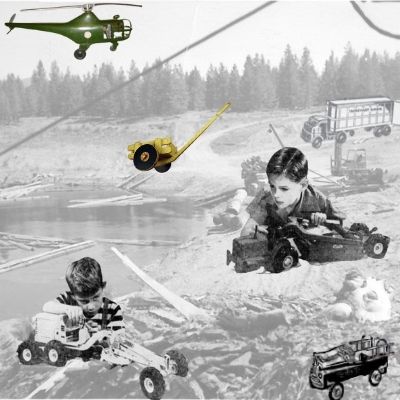
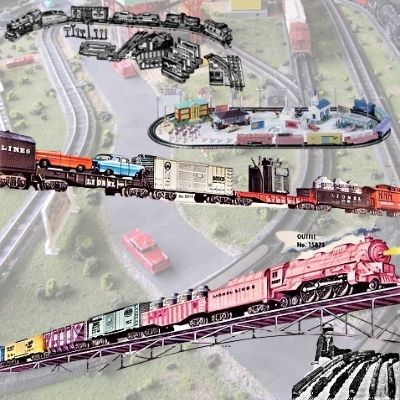
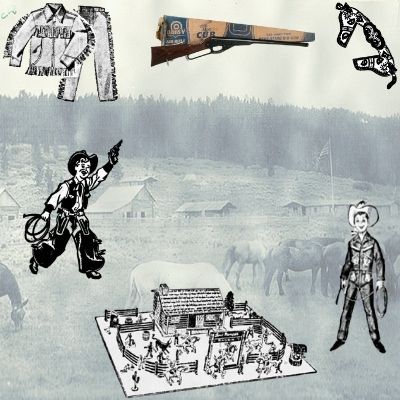
Not everyone benefited from new technologies, particularly in Montana. The 1950s saw the decline of copper mining and railroad jobs in the state, causing thousands of people to lose their jobs. New technologies also made it hard for small farmers to compete with big operations, since they could not easily afford to buy the machinery needed to run large farms. Home electricity, which was becoming more important for modern life, was slow to spread through the rural areas of the state, especially for people living on reservations. For many, the advances in technology meant the loss of their old ways of life. Still, for children growing up in the 1950s, the future seemed full of endless possibilities, and toys went from being war themed to being science themed, with science kits and electric toys dominating the markets. Montanan children also took advantage of the easy access to nature and wanted toys that they could use outside -- bicycles, BB guns, and "wild west" costumes were extremely popular.
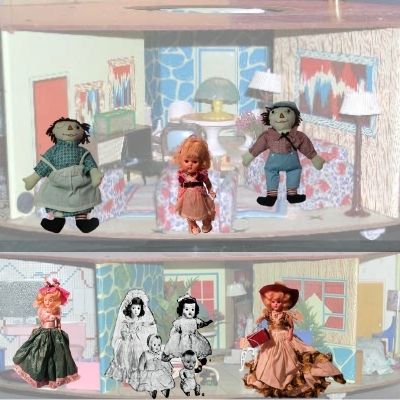
Here's a look at the kinds of things that Montana's children played with and asked for during this decade:
1media/1950s_collage.jpg2020-10-17T10:25:52-07:00the Historical Museum at Fort Missoula2ed0a4c76b15fe2d208dedaebb1fcaaa8b4d9c381950sthe Historical Museum at Fort Missoula5splash10264942020-11-12T11:20:33-08:00the Historical Museum at Fort Missoula2ed0a4c76b15fe2d208dedaebb1fcaaa8b4d9c38
1media/1950s_western_thumb.jpg2020-11-12T11:11:34-08:001950s_westerns1Davy Crockett, Lone Ranger, and other western gearmedia/1950s_western.jpgplain2020-11-12T11:11:34-08:00